Rumex pulcher
Rumex pulcher · Accepted scientific name
Scientific literature: Very Sparse (0 studies) · ★☆☆☆☆
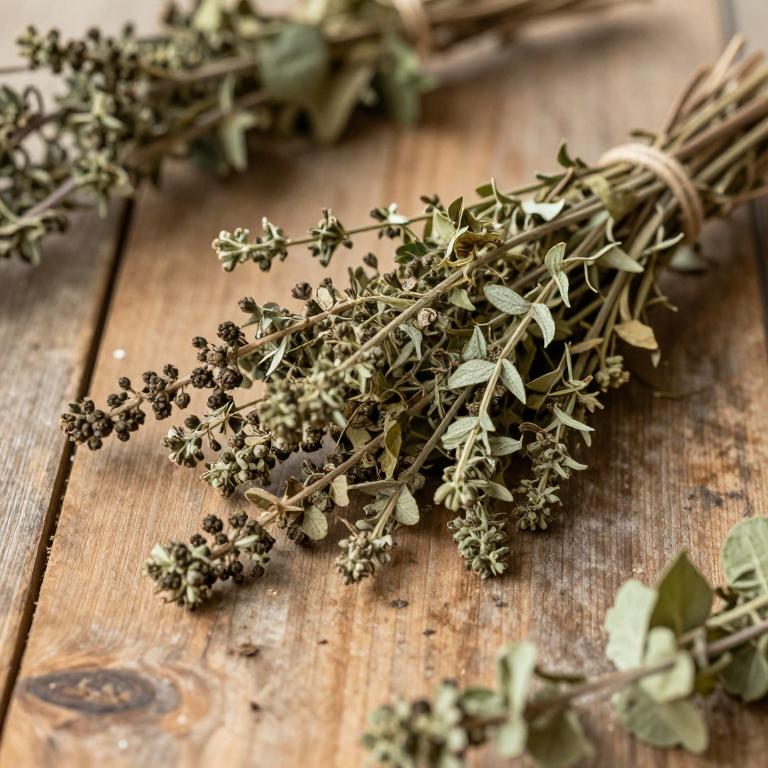
Rumex pulcher, commonly known as beautiful sorrel, is a distinctive herbaceous plant found in various natural habitats. This species is recognized by its unique leaf structure and reproductive characteristics within the Polygonaceae family. In traditional medicinal practices, it has been studied for its potential therapeutic properties. Specifically, it has been historically associated with addressing gastrointestinal distress. The plant is often noted for its ability to help manage conditions such as dysentery and enteritis.
- Synonyms
- Rumex Divaricatus Var. Pulcher · Lapathum Pulchrum
- Common names
- Not available
- Family
- Polygonaceae
- Distribution
- Not available
- Plant Parts
- Not available
Classification
Common Names
Rumex pulcher is a versatile species recognized by several distinct local and descriptive monikers. Most commonly known as Fiddle Dock, it is also frequently referred to as Rumex elegant in various botanical circles. In certain regions, the plant carries the traditional name Fraaie zuring. It is also identified as Schoener Ampfer by those familiar with its specific growth habits. Finally, the species is known by the name Tafol Canolfain, showcasing the diverse linguistic heritage surrounding this plant.
Sources: Catalogue of Life (COL)
Synonyms
Rumex pulcher is a botanical species that is frequently identified through various taxonomic synonyms. One such alternative name used in scientific literature is Lapathum pulchrum. Additionally, the plant is often classified under the varietal designation Rumex divaricatus var. pulcher. These overlapping names can sometimes create confusion for researchers navigating different botanical databases. Understanding these nomenclatural relationships is essential for maintaining accurate records of the species' distribution and characteristics.
Sources: The World Checklist of Vascular Plants (WCVP)
Taxonomy
Rumex pulcher is a fascinating member of the kingdom Plantae that showcases the intricate complexity of biological classification. Belonging to the order Caryophyllales, this species is defined by its specific evolutionary lineage. It is further categorized within the class Equisetopsida, placing it among the diverse group of vascular plants. As a representative of the genus Rumex, it displays characteristic traits unique to its immediate relatives. Finally, its placement within the family Polygonaceae highlights its botanical connections to other knotweeds around the world.
| Rank | Classification |
|---|---|
| Kingdom | Plantae |
| Phylum | Streptophyta |
| Class | Equisetopsida |
| Subclass | Magnoliidae |
| Order | Caryophyllales |
| Family | Polygonaceae |
| Genus | Rumex |
Sources: The World Checklist of Vascular Plants (WCVP)
Distribution
Geographic Regions
Rumex pulcher exhibits a widespread distribution that spans across much of the African continent and several key regions of Macaronesia. Within these Atlantic territories, the species can be found thriving in the Azores, the Canary Islands, and Madeira. Its presence also extends to the Selvagens archipelago, showcasing its ability to inhabit diverse island ecosystems. Furthermore, the plant's range reaches into the Middle Atlantic Ocean, specifically establishing itself on the remote island of St. Helena. This extensive geographic spread highlights the resilient nature of the species across various oceanic environments.
Sources: The World Checklist of Vascular Plants (WCVP)
Identification
Morphology
Rumex pulcher is a self-supporting herb that grows in a distinct upright manner. This plant typically reaches a maximum height of 1 meter depending on its environmental conditions. While it can grow quite tall, its stature often begins at a minimum of 0.2 meters. More specifically, many specimens maintain a consistent baseline height starting around 0.325 meters. These varying dimensions reflect the flexible growth patterns inherent to this species.
Sources: Global Inventory of Floras and Traits (GIFT)
Biological Activities
Compounds
Conditions
Rumex pulcher is recognized within the genus Rumex for its traditional medicinal applications in treating various illnesses. Specifically, this plant is used to treat bacteria-related dermatologic conditions. It also serves as a treatment for dysentery in traditional medical practices. Furthermore, the plant is utilized to combat enteritis. These therapeutic uses highlight the diverse antibacterial roles of the species.