Rumex nepalensis var. nepalensis
Rumex nepalensis var. nepalensis · Accepted scientific name
Scientific literature: Very Sparse (1 studies) · ★☆☆☆☆
Rumex nepalensis var. nepalensis is a botanical species that has garnered significant attention for its diverse biological properties. Recent pharmacological investigations have focused specifically on the therapeutic potential found within its leaves. By utilizing 80% ethanolic extracts, researchers have been able to isolate potent bioactive compounds from the plant material. These studies have demonstrated that the extracts possess notable antiviral activities against various pathogens. Consequently, this variety represents a promising subject for the development of new natural antiviral treatments.
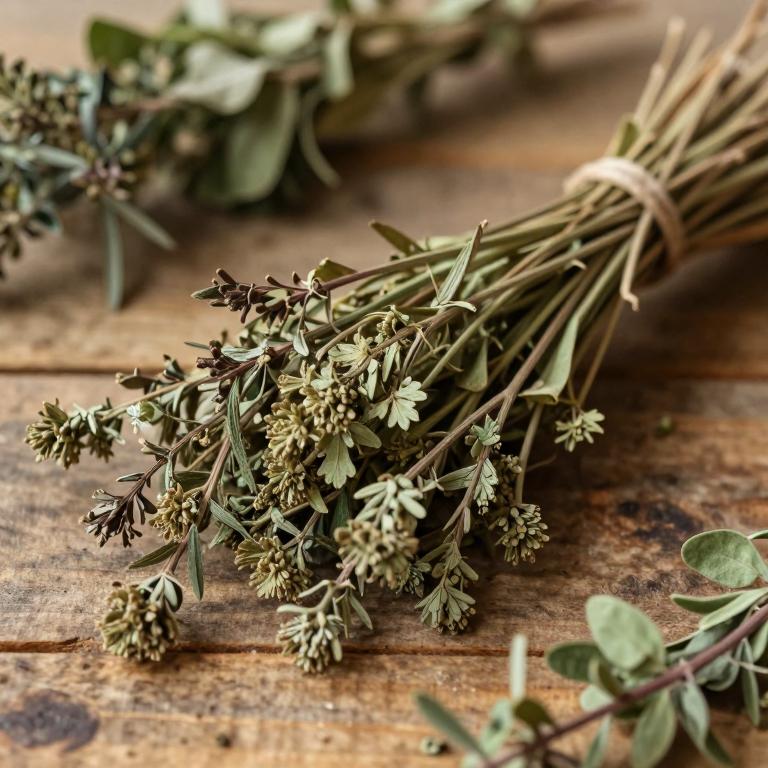
- Synonyms
- Rumex Steudelianus · Rumex Steudelii · 13 more
- Common names
- Not available
- Family
- Polygonaceae
- Distribution
- Southern America
- Plant Parts
- Leaf
Classification
Synonyms
Rumex nepalensis var. nepalensis is a complex botanical taxon that encompasses several taxonomic synonyms. Within its scientific classification, it is closely associated with the name Rumex baehnii. The variety also shares a relationship with Rumex bequaertii, including the specific subspecies Rumex bequaertii var. quarrei. Furthermore, this plant is linked to the synonyms Rumex camptodon and Rumex esquirolii. Understanding these connections is essential for accurate identification and botanical study.
Sources: The World Checklist of Vascular Plants (WCVP)
Taxonomy
Rumex nepalensis var. nepalensis is a distinct botanical specimen belonging to the kingdom Plantae. Within this vast kingdom, it is specifically classified under the class Equisetopsida. This variety follows the taxonomic order of Caryophyllales, showcasing its unique evolutionary path. It is further organized into the family Polygonaceae, which defines many of its structural characteristics. Ultimately, this plant is identified by its specific genus, Rumex, marking its place in the natural world.
| Rank | Classification |
|---|---|
| Kingdom | Plantae |
| Phylum | Streptophyta |
| Class | Equisetopsida |
| Subclass | Magnoliidae |
| Order | Caryophyllales |
| Family | Polygonaceae |
| Genus | Rumex |
Sources: The World Checklist of Vascular Plants (WCVP)
Distribution
Geographic Regions
Rumex nepalensis var. nepalensis is a plant species with a notable presence across various regions of the African continent. Its distribution extends through East Tropical Africa, where it can be found in Kenya, Tanzania, and Uganda. Additionally, the variety stretches into Northeast Tropical Africa, establishing itself within the landscapes of Eritrea and Ethiopia. This widespread geographic range highlights the plant's ability to thrive in diverse East African environments. Consequently, understanding its presence across these specific nations provides valuable insight into its regional ecology.
Sources: The World Checklist of Vascular Plants (WCVP)
Identification
Biological Activities
Rumex nepalensis var. nepalensis is recognized for its potential antiviral properties within the plant kingdom. While specific studies on this variety have highlighted its therapeutic value, research into related species like Rumex bequaertii suggests a broader pattern of medicinal utility. Investigations into Rwandan medicinal plants have shown that certain extracts can exhibit significant activity against human immunodeficiency virus type-1 (HIV-1). These studies emphasize that the effectiveness of a plant often depends on the specific selectivity index between its antiviral activity and cytotoxicity. Ultimately, understanding these biochemical relationships is crucial for identifying plant-based substances that can combat viral infections effectively.
Compounds
Conditions
Rumex nepalensis var. nepalensis is not mentioned in the provided abstracts as having any specific effect on the human immunodeficiency virus type-1 (HIV-1). Instead, the research focuses on various Rwandan medicinal plants, including Aspilia pluriseta and Rumex bequaertii, to evaluate their antiviral potential. While Rumex bequaertii demonstrated an interesting selectivity index, no data is presented regarding the specific efficacy of Rumex nepalensis var. nepalensis. The text further highlights that Tithonia diversifolia possesses high anti-HIV-1 activity within its aqueous fraction. Consequently, the abstracts do not support the claim that Rumex nepalensis var. nepalensis treats HIV-1.
Preparations
Rumex nepalensis var. nepalensis is prepared as 80% ethanolic extracts. This specific preparation method is a key aspect of the plant's study. Such extracts are often utilized to investigate various biological activities in scientific research. The process involves using an ethanol concentration of 80% to create the solution. This precise formulation allows for the systematic testing of the plant's properties.
Parts used
Rumex nepalensis var. nepalensis is a species that possesses a distinct leaf structure used in various botanical studies. While research into Rwandan medicinal plants has highlighted the antiviral potential of specific extracts, the study of individual plant components remains essential. For instance, investigations into the leaves of species like Aspilia pluriseta and Rumex bequaertii have revealed significant selectivity indices against HIV-1. Such findings suggest that the efficacy of a plant often depends on the specific parts being analyzed. Ultimately, understanding these morphological relationships helps scientists isolate active substances from potentially cytotoxic plant matter.