Rumex algeriensis
Rumex algeriensis · Accepted scientific name
Scientific literature: Very Sparse (0 studies) · ★☆☆☆☆
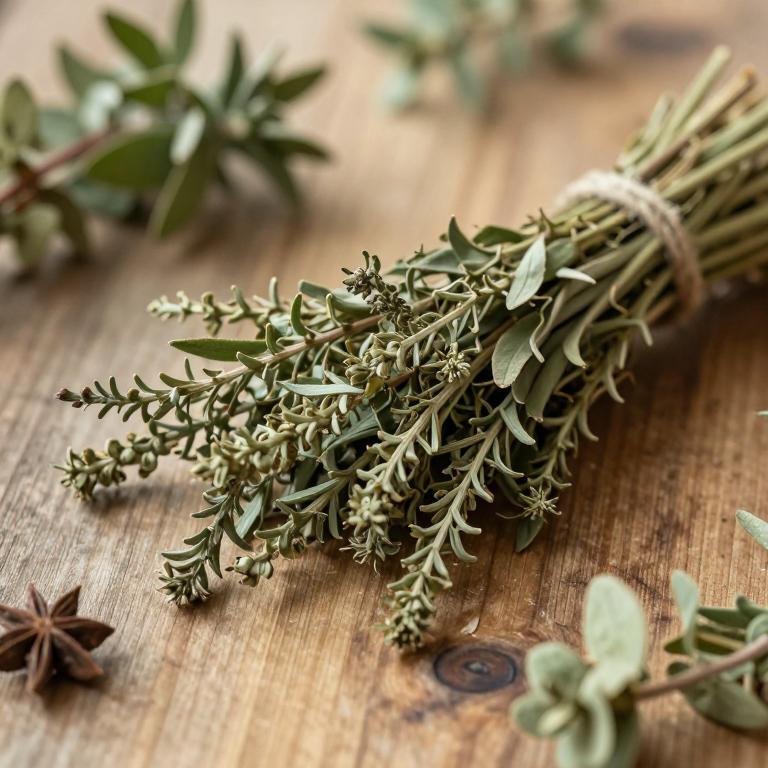
Rumex algeriensis is a distinctive botanical species characterized by its unique structural features. The plant is primarily defined by its elongated stems that provide essential support for its growth. Emerging from these stems are specialized flowers that play a critical role in its reproductive cycle. Understanding the relationship between the stem and the flower is key to identifying this particular member of the dock family. Together, these parts contribute to the overall morphology and ecological presence of the species.
- Synonyms
- Rumex Algeriensis Var. Hipporegianus
- Common names
- Not available
- Family
- Polygonaceae
- Distribution
- Not available
- Plant Parts
- Flower · Stem
Classification
Common Names
Rumex algeriensis is a distinctive plant species that is recognized by several different names depending on the region. It is commonly referred to by the name Patience d'Algérie in certain botanical circles. Additionally, many people identify this specific plant as the Renouée d'Algérie. These various common names help gardeners and botanists communicate clearly about its unique characteristics. Understanding these linguistic variations is essential for anyone studying the diverse flora of the area.
Sources: Catalogue of Life (COL)
Synonyms
Rumex algeriensis is a botanical species that has undergone taxonomic refinement within its scientific classification. In certain academic contexts, it is also recognized by the synonym Rumex algeriensis var. hipporegianus. This variation in naming reflects the ongoing efforts of botanists to precisely categorize the plant's unique characteristics. Understanding these nomenclatural relationships is essential for researchers studying the specific regional diversity of the genus. Consequently, both names refer to the same biological entity despite the slight differences in their formal designations.
Sources: The World Checklist of Vascular Plants (WCVP)
Taxonomy
Rumex algeriensis belongs to the expansive kingdom Plantae, representing the fundamental biological category of all plants. Within this kingdom, the species is classified under the class Equisetopsida, highlighting its structural evolutionary lineage. It further resides in the order Caryophyllales, a diverse group known for its unique botanical characteristics. The plant is a member of the family Polygonaceae, which provides key insights into its morphological traits. Finally, it is nested within the genus Rumex, placing it among its closest botanical relatives.
| Rank | Classification |
|---|---|
| Kingdom | Plantae |
| Phylum | Streptophyta |
| Class | Equisetopsida |
| Subclass | Magnoliidae |
| Order | Caryophyllales |
| Family | Polygonaceae |
| Genus | Rumex |
Sources: The World Checklist of Vascular Plants (WCVP)
Distribution
Geographic Regions
Rumex algeriensis is a distinctive plant species primarily found within the African continent. Its geographic distribution is concentrated heavily throughout Northern Africa, where it thrives in specific local environments. Within this region, Algeria serves as a key area where the species can be frequently observed. Understanding its presence in these specific locales helps botanists map the ecological footprint of the genus. Consequently, this plant remains a notable component of the diverse flora characteristic of the North African landscape.
Sources: The World Checklist of Vascular Plants (WCVP)
Identification
Biological Activities
Compounds
Conditions
Preparations
Parts used
Rumex algeriensis is an endemic medicinal plant that holds significant potential for the pharmaceutical and nutraceutical industries. Recent phytochemical analyses have focused on characterizing the bioactive compounds found specifically within its flowers and stems. By utilizing advanced mass spectrometry techniques, researchers have successfully identified 44 different bioactive compounds within these plant parts. These constituents include a diverse range of substances such as flavonols, tannins, and hydroxybenzoic acids. Ultimately, exploring the chemical profiles of the flowers and stems of Rumex algeriensis provides a valuable renewable source for developing new herbal drugs and functional foods.