Rubus pseudojaponicus
Rubus pseudojaponicus · Accepted scientific name
Scientific literature: Very Sparse (0 studies) · ★☆☆☆☆
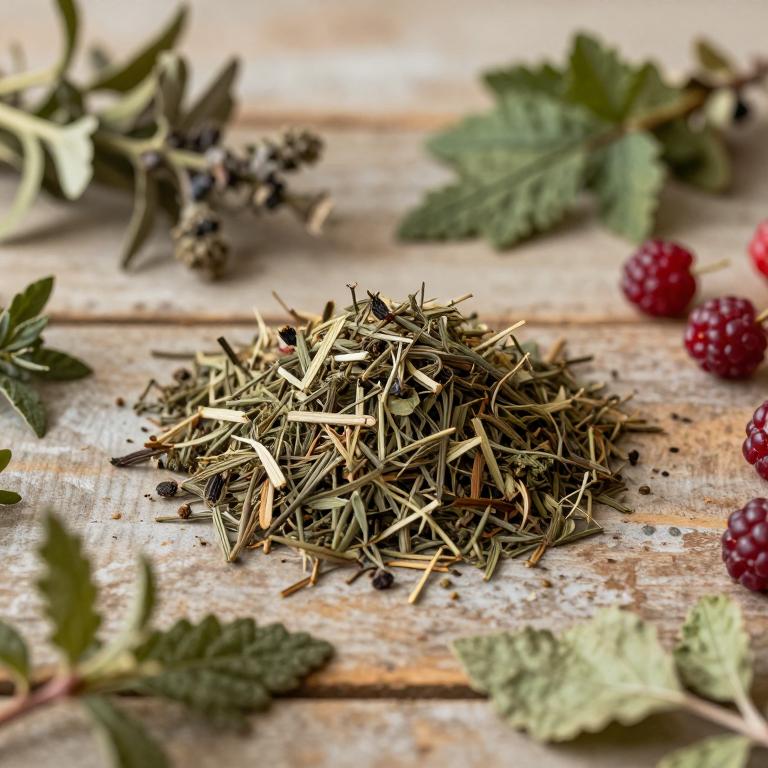
Rubus pseudojaponicus is a botanical species frequently utilized in traditional herbal practices. This plant is primarily valued for its specific medicinal properties when addressing digestive distress. To harness its benefits, the plant is commonly processed into a soothing herbal tea. This preparation is specifically used as a natural remedy to help manage symptoms of diarrhea. Through careful infusion, the plant provides a traditional approach to restoring gastrointestinal balance.
- Synonyms
- Rubus Pseudojaponicus Var. Diversifolius · Rubus Americanus Var. Diversifolius · 3 more
- Common names
- Not available
- Family
- Rosaceae
- Distribution
- Not available
- Plant Parts
- Not available
Classification
Common Names
Rubus pseudojaponicus is a fascinating species known by a variety of different names across various languages and regions. In English-speaking contexts, it is often referred to by the common name Japaninlillukka. Moving into Russian terminology, the plant is identified as Княженика ложнояпонская, Малина ложнояпонская, or simply Рубус ложнояпонский. Its identity is also clearly established in Japanese as ヒメゴヨウイチゴ. This diversity of nomenclature highlights the plant's widespread recognition throughout different cultures.
Sources: Catalogue of Life (COL)
Synonyms
Rubus pseudojaponicus is a plant species characterized by a complex web of botanical synonyms that can often confuse researchers. Scientific literature identifies several variations of this plant, including classifications such as Rubus americanus var. diversifolius and Rubus americanus var. japonicus. It is also frequently referred to under the name Rubus pseudojaponicus var. diversifolius in various taxonomic studies. Furthermore, the species encompasses synonyms related to Rubus triflorus, specifically var. diversifolius and var. japonicus. Navigating these overlapping nomenclatures is essential for maintaining accurate botanical records and understanding the plant's evolutionary history.
Sources: The World Checklist of Vascular Plants (WCVP)
Taxonomy
Rubus pseudojaponicus is a fascinating botanical specimen that belongs to the expansive kingdom Plantae. Within this kingdom, it is classified under the class Equisetopsida. Its taxonomic journey continues through the order Rosales, which helps define its evolutionary lineage. Further refinement places the plant within the diverse family Rosaceae. Ultimately, this species is identified by its specific genus, Rubus.
| Rank | Classification |
|---|---|
| Kingdom | Plantae |
| Phylum | Streptophyta |
| Class | Equisetopsida |
| Subclass | Magnoliidae |
| Order | Rosales |
| Family | Rosaceae |
| Genus | Rubus |
Sources: The World Checklist of Vascular Plants (WCVP)
Distribution
Geographic Regions
Rubus pseudojaponicus is a resilient species primarily distributed throughout the temperate regions of Asia. Its presence is well-documented across Eastern Asia, with a significant foothold in the diverse landscapes of Japan. The plant also extends its reach into the Russian Far East, thriving in the unique environments of the Kuril Islands. Furthermore, its natural range encompasses the island of Sakhalin, illustrating its ability to adapt to various northern climates. This broad distribution highlights the plant's importance within the temperate ecosystems of the Far Eastern territories.
Sources: The World Checklist of Vascular Plants (WCVP)
Identification
Morphology
Rubus pseudojaponicus is characterized by its distinct growth form as an herb.
Sources: Global Inventory of Floras and Traits (GIFT)
Biological Activities
Compounds
Conditions
Rubus pseudojaponicus is associated with specific medicinal and physiological properties according to the provided text. This plant is noted for its ability to treat diarrhea when used in certain medicinal contexts. Additionally, research indicates that it is linked to the management of higher levels of the hormone cortisol. These relationships highlight the diverse biological impacts of the species. Consequently, the plant serves both gastrointestinal and endocrine functions within the studied observations.
Preparations
Rubus pseudojaponicus is prepared as herbal tea according to the specific relationship provided. This particular plant serves a functional role in traditional preparations. While the provided text discusses other species such as Rubus caesius for medicinal purposes, the focus remains on the preparation of Rubus pseudojaponicus. Using this plant in tea form is a recognized method of consumption. This practice highlights the specific utility of the species in herbal applications.