Rubus liebmannii
Rubus liebmannii · Accepted scientific name
Scientific literature: Very Sparse (0 studies) · ★☆☆☆☆
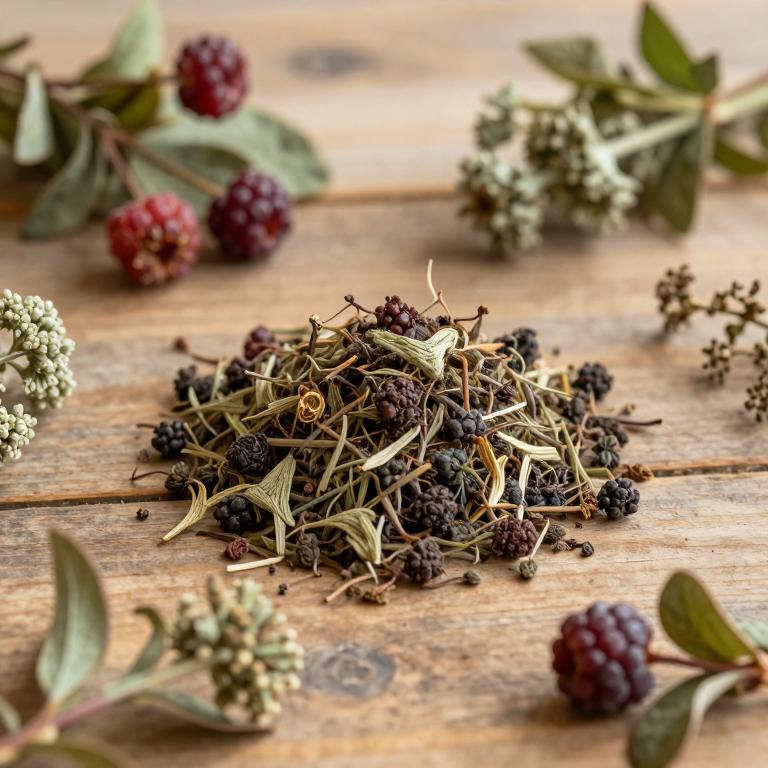
Rubus liebmannii is a botanical species recognized for its specific medicinal applications in traditional practices. This plant is primarily utilized to address various ailments, including cough and dysentery. To harness its therapeutic potential, the aerial parts are typically processed into an ethanolic extract. Such preparations allow for the concentrated delivery of the plant's active compounds. Understanding its proper use is essential for anyone studying its pharmacological properties.
- Synonyms
- Not available
- Common names
- Not available
- Family
- Rosaceae
- Distribution
- Not available
- Plant Parts
- Not available
Classification
Common Names
Rubus liebmannii is a remarkable plant frequently referred to by its common name, Zarzamora. This species is widely recognized for its vigorous growth and its ability to thrive in diverse environments. Gardeners often appreciate its hardy nature and the unique aesthetic it brings to any landscape. By understanding its specific characteristics, one can better appreciate the role it plays in local ecosystems. Whether growing wild or in a managed garden, this plant remains a fascinating subject for botanical enthusiasts.
Sources: Catalogue of Life (COL)
Taxonomy
Rubus liebmannii belongs to the vast kingdom Plantae, encompassing a diverse range of life on Earth. Within this kingdom, the species is classified under the class Equisetopsida. It further falls into the order Rosales, which connects it to many other significant flowering plants. This specific plant is a member of the family Rosaceae, a group known for its beautiful blooms. Finally, it is categorized under the genus Rubus, placing it among its close botanical relatives.
| Rank | Classification |
|---|---|
| Kingdom | Plantae |
| Phylum | Streptophyta |
| Class | Equisetopsida |
| Subclass | Magnoliidae |
| Order | Rosales |
| Family | Rosaceae |
| Genus | Rubus |
Sources: The World Checklist of Vascular Plants (WCVP)
Distribution
Geographic Regions
Rubus liebmannii maintains an extensive geographic range that stretches across a significant portion of the Americas. In North America, the species is widely distributed throughout various regions of Mexico, including the Central, Gulf, and Northeast territories. Its presence further extends into the Southwest of Mexico, showcasing its adaptability to diverse environments. Moving southward, the plant's reach continues into Central America, specifically finding habitat within Guatemala. This broad distribution highlights the resilient nature of the species across multiple continental zones.
Sources: The World Checklist of Vascular Plants (WCVP)
Identification
Morphology
Rubus liebmannii is characterized by an obligatory climbing habit, meaning it relies entirely on external structures to support its upward growth.
Sources: Global Inventory of Floras and Traits (GIFT)
Biological Activities
Compounds
Conditions
Rubus liebmannii is an endemic Mexican plant species primarily utilized in traditional medicine to treat cough and dysentery. Scientific evaluations have focused on its potential to combat gastrointestinal disorders by testing its effects against pathogens like Giardia lamblia and Entamoeba histolytica. The ethanolic extract from the aerial parts of the plant demonstrates specific in vitro activity relevant to these medicinal applications. Because it is used to address infectious gastrointestinal diseases, research is being conducted to understand its full pharmacological profile. These therapeutic relationships make the study of its chemical composition essential for improving treatments for such ailments.
Preparations
Rubus liebmannii is prepared as an ethanolic extract of the aerial parts for pharmacological testing. This specific preparation was utilized to investigate the plant's in vitro activity against parasites such as Giardia lamblia and Entamoeba histolytica. By utilizing the aerial parts in an ethanolic solvent, researchers can better evaluate the medicinal potential of this endemic Mexican species. Such extraction methods are crucial for studying the plant's efficacy in treating gastrointestinal disorders like amebiasis. Consequently, this preparation serves as a fundamental step in exploring the phytochemical composition and biological effects of the plant.