Rubus chingii var. suavissimus
Rubus chingii var. suavissimus · Accepted scientific name
Scientific literature: Very Sparse (0 studies) · ★☆☆☆☆
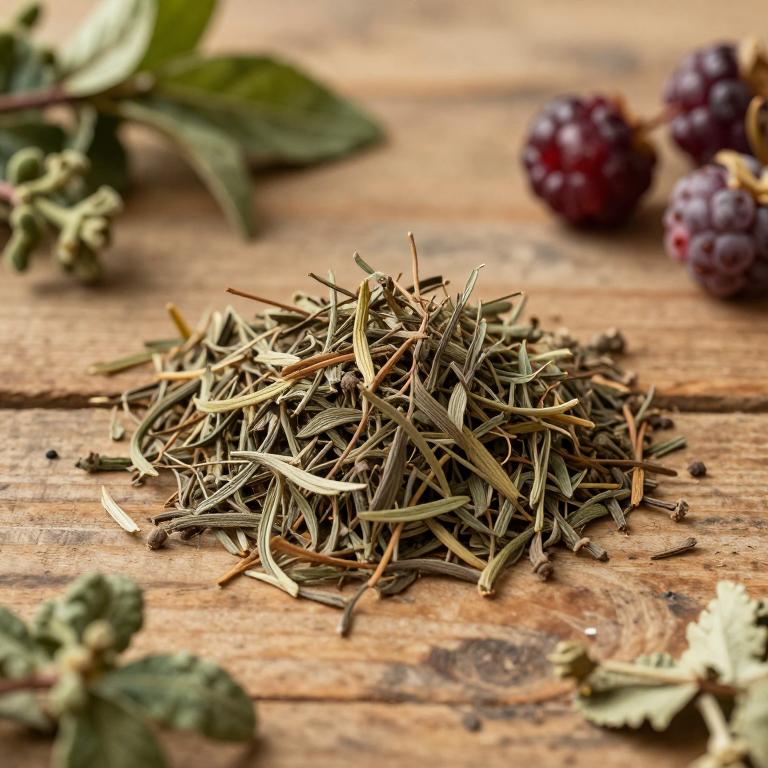
Rubus chingii var. suavissimus, commonly known as sweet bramble, is a significant botanical species primarily valued for its medicinal properties. The leaves of this plant serve as the essential component used in various preparations, including traditional folk medicine, extracts, and refreshing beverages. A key chemical constituent found within these leaves is rubusoside, which plays a vital role in its therapeutic actions. Scientific interest in the plant often focuses on its ability to influence physiological conditions such as cholesterol levels and hyperlipidemia. Furthermore, its bioactive compounds are studied for their effects on histamine release and capillary permeability.
- Synonyms
- Rubus Suavissimus
- Common names
- Not available
- Family
- Rosaceae
- Distribution
- Not available
- Plant Parts
- Leaf
Classification
Common Names
Rubus chingii var. suavissimus is a specialized variety of raspberry known commonly by the Japanese name テンヨウケンコウシ. This plant is highly regarded in various botanical circles for its unique characteristics and cultural significance. Understanding its specific nomenclature helps researchers and enthusiasts identify its distinct lineage within the Rubus genus. By recognizing this common name, one can better navigate traditional herbal texts and regional botanical guides. Ultimately, bridging the gap between scientific names and local terminology enhances our connection to the natural world.
Sources: Catalogue of Life (COL)
Synonyms
Rubus chingii var. suavissimus is a botanical classification that requires careful attention to its taxonomic history. This specific variety is also widely recognized by its synonym, Rubus suavissimus. Understanding these overlapping names is essential for researchers tracking the plant's medicinal properties and distribution. Such nomenclature shifts often occur as botanists refine their understanding of species relationships within the Rubus genus. Consequently, identifying the plant correctly ensures consistency across scientific literature and herbal studies.
Sources: The World Checklist of Vascular Plants (WCVP)
Taxonomy
Rubus chingii var. suavissimus belongs to the vast kingdom Plantae, representing the diverse life forms found within the botanical world. This specific variety is classified under the class Equisetopsida, showcasing its fundamental structural characteristics. Within this group, it falls under the order Rosales, which connects it to a wide array of significant plant species. It is further nested within the family Rosaceae, a group known for its many ornamental and edible members. Finally, its taxonomic identity is solidified by its placement within the genus Rubus.
| Rank | Classification |
|---|---|
| Kingdom | Plantae |
| Phylum | Streptophyta |
| Class | Equisetopsida |
| Subclass | Magnoliidae |
| Order | Rosales |
| Family | Rosaceae |
| Genus | Rubus |
Sources: The World Checklist of Vascular Plants (WCVP)
Distribution
Geographic Regions
Rubus chingii var. suavissimus is a specialized plant species primarily found within the Asia-Temperate region. Its natural habitat is concentrated heavily across China, where it thrives in various ecological niches. More specifically, much of its distribution can be traced to the lush environments of China Southeast. This regional presence highlights the plant's unique adaptation to the specific climates found in these eastern territories. Understanding these geographical patterns is essential for studying its role within the local ecosystem.
Sources: The World Checklist of Vascular Plants (WCVP)
Identification
Biological Activities
Compounds
Rubus chingii var. suavissimus serves as a natural source of the bioactive component known as rubusoside. This specific compound functions as a natural sweetener while providing significant physiological benefits. Recent metabolomics research suggests that rubusoside can help regulate lipid metabolism and address metabolic disturbances caused by high-fat diets. By intervening in key pathways such as amino acid and ketone body synthesis, the substance demonstrates a strong anti-hypertriglyceridemia effect. Ultimately, these findings position rubusoside as a potential therapeutic tool for preventing or reversing various lipid metabolism disorders.
Conditions
Rubus chingii var. suavissimus demonstrates significant therapeutic potential in the treatment of age-related macular degeneration (AMD). The extract effectively addresses oxidative stress and inflammation, which are critical factors in the pathogenesis of the disease. In laboratory settings, the plant treats H2O2-treated Retinal Pigment Epithelial Cells by increasing cell viability and upregulating antioxidant genes. Furthermore, it treats the retinas of high-fat diet-fed mice by increasing antioxidant capacity and alleviating ocular inflammation. Through these actions, the plant provides a multifaceted approach to mitigating cellular damage and inflammatory responses.
Preparations
Rubus chingii var. suavissimus is commonly utilized as a beverage and as a form of folk medicine. In various pharmacological studies, the plant is also prepared as an extract to investigate its medicinal properties. Specifically, researchers have utilized the water extract of this species to examine its anti-allergy effects. These different preparations allow for the study of its ability to inhibit histamine release and manage various physiological responses. Consequently, the plant serves multiple roles ranging from a traditional dietary item to a concentrated medicinal substance.
Parts used
Rubus chingii var. suavissimus is a medicinal plant native to the southwest region of China that is commonly utilized as an herbal tea and a traditional medicine. Researchers have specifically focused on the plant's dried leaves to prepare extracts containing its primary functional compounds. These leaf extracts have demonstrated a significant ability to increase cell viability and upregulate the expression of essential antioxidant genes. In experimental models, the extract effectively lowers the generation of reactive oxygen species and suppresses inflammation in retinal pigment epithelial cells. Consequently, these findings suggest that the leaf-derived extract holds promising therapeutic potential for treating age-related macular degeneration.