Rubroshorea ovalis
Rubroshorea ovalis · Accepted scientific name
Scientific literature: Very Sparse (0 studies) · ★☆☆☆☆
Rubroshorea ovalis, commonly known as the red-shore willow, is a resilient shrub native to various wetland habitats. This plant is characterized by its distinct oval leaves and adaptable growth patterns in moist soils. In traditional herbal practices, the bark of this species is often harvested for specific medicinal preparations. These bark-based decoctions are valued for their unique chemical properties and therapeutic potential. Understanding the botanical nuances of this willow is essential for anyone studying its practical applications.
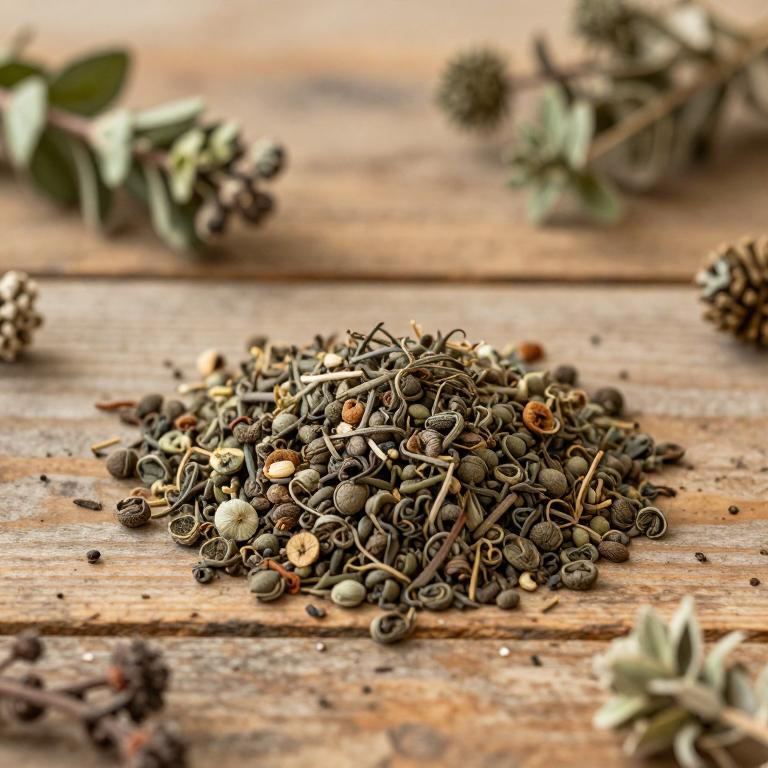
- Synonyms
- Vatica Ovalis · Vatica Sublacunosa · 12 more
- Common names
- Not available
- Family
- Dipterocarpaceae
- Distribution
- Not available
- Plant Parts
- Not available
Classification
Synonyms
Rubroshorea ovalis is a species known to encompass a variety of botanical synonyms within scientific literature. It is frequently identified by the names Hopea aspera and Shorea eximia in different taxonomic contexts. This complex classification also includes the specific variation known as Shorea eximia var. angustifolia. Furthermore, the plant has been historically referred to as Shorea fusca by various researchers. Finally, the name Shorea ovalis remains a prominent synonym closely linked to this species.
Sources: The World Checklist of Vascular Plants (WCVP)
Taxonomy
Rubroshorea ovalis is a distinct botanical species belonging to the vast kingdom Plantae. Within this biological realm, it is classified under the class Equisetopsida to denote its structural lineage. This plant is further organized into the order Malvales, which helps scientists understand its evolutionary connections. It specifically falls under the genus Rubroshorea, a designation that highlights its unique morphological traits. Finally, its taxonomic journey concludes within the Dipterocarpaceae family, placing it among a specific group of important woody plants.
| Rank | Classification |
|---|---|
| Kingdom | Plantae |
| Phylum | Streptophyta |
| Class | Equisetopsida |
| Subclass | Magnoliidae |
| Order | Malvales |
| Family | Dipterocarpaceae |
| Genus | Rubroshorea |
Sources: The World Checklist of Vascular Plants (WCVP)
Distribution
Geographic Regions
Rubroshorea ovalis is a plant species with a specialized distribution pattern found throughout the tropical regions of Asia. It is notably present within the Malesia botanical region, spanning several key geographic areas. Specifically, the species can be located across the island of Borneo, where it thrives in local ecosystems. Its range also extends into Malaya, marking another significant part of its regional presence. Furthermore, the plant is commonly documented in Sumatera, completing a widespread footprint across these diverse tropical landscapes.
Sources: The World Checklist of Vascular Plants (WCVP)
Identification
Biological Activities
Compounds
Conditions
Rubroshorea ovalis serves as a vital host for endophytic actinobacteria that demonstrate significant antimalarial potential. Specifically, extracts derived from the Streptomyces SUK10 strain found within the bark of this tree effectively treat Plasmodium berghei PZZ1/100. In vivo testing showed that these extracts can successfully inhibit parasite growth in infected subjects. This biological activity establishes the plant's role as a key source for advancements in malarial treatment. Consequently, the relationship between the tree and its endophytes offers promising prospects for medicinal and pharmaceutical development.
Preparations
Rubroshorea ovalis is prepared as bark to facilitate the study of its endophytic actinobacteria. This specific part of the tree served as the source for isolating the strain Streptomyces SUK 10. Researchers utilized the bark to obtain crude extracts that were subsequently tested for antimalarial properties. The extraction process from this bark allowed for the assessment of the bacteria's ability to inhibit Plasmodium berghei. Consequently, the preparation of the bark was a critical step in identifying potential medicinal molecules for malaria treatment.