Rosa tomentosa
Rosa tomentosa · Accepted scientific name
Scientific literature: Very Sparse (0 studies) · ★☆☆☆☆
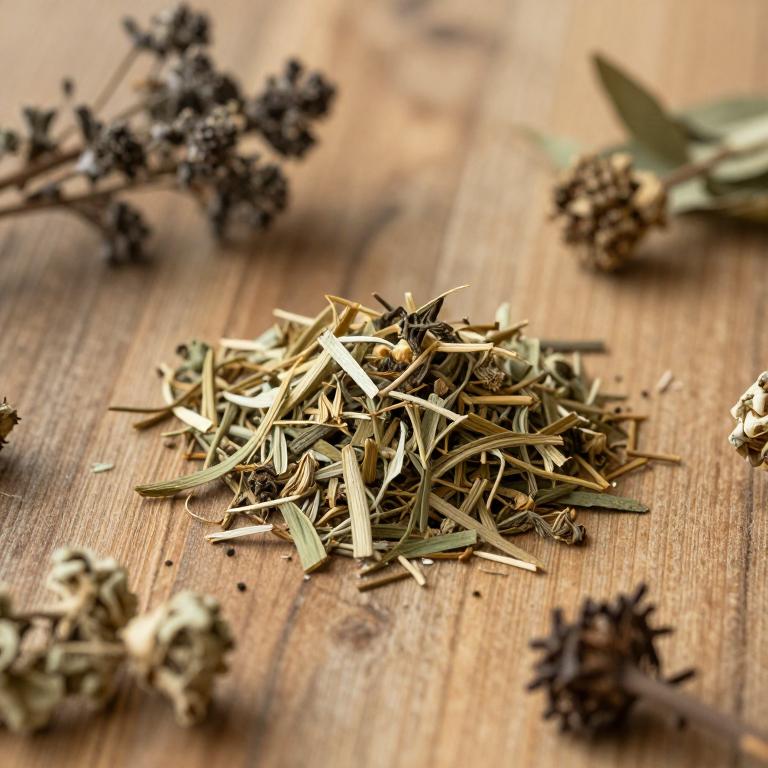
Rosa tomentosa, commonly known as the rugosa rose, is a resilient shrub celebrated for its fragrant, multi-petaled blooms. This species is highly valued in botanical studies for its ability to produce potent medicinal and cosmetic preparations. Through various extraction methods, its bioactive compounds can be isolated to harness their natural therapeutic properties. These extracts are frequently utilized in skincare formulations due to their antioxidant and soothing qualities. Understanding the diverse applications of this plant highlights its significant importance in both traditional and modern wellness industries.
- Synonyms
- Rosa Tomentosa Var. Major · Rosa Velutina · 329 more
- Common names
- Not available
- Family
- Rosaceae
- Distribution
- Not available
- Plant Parts
- Not available
Classification
Common Names
Rosa tomentosa is a species known by several distinct regional and linguistic names. In English-speaking regions, it is frequently referred to as the Harsh Downy-rose. Within German-speaking areas, the plant is commonly called Filz-Rose or Filzige Rose. Other cultural variations include the name Brail Panog. These diverse common names reflect the plant's widespread recognition across different languages and territories.
Sources: Catalogue of Life (COL)
Synonyms
Rosa tomentosa is a complex species that is frequently identified through various botanical synonyms. Taxonomists have historically categorized this plant under several different names, including the diverse classifications of Pugetia cuspidata, Pugetia dimorpha, and Pugetia subglobosa. Additionally, the name Pugetia tomentosa has been used to describe its specific characteristics within scientific literature. The botanical history of the plant also encompasses the distinct variety known as Rosa abietina f. clivorum. Understanding these shifting nomenclatures is essential for researchers tracking the evolutionary lineage of this rose.
Sources: The World Checklist of Vascular Plants (WCVP)
Taxonomy
Rosa tomentosa is a fascinating specimen that belongs to the diverse kingdom Plantae. Within this vast biological group, the plant is classified under the class Equisetopsida. It further belongs to the order Rosales, which connects it to a wide array of significant botanical species. As a member of the Rosaceae family, it shares characteristics with many well-known flowering plants. Ultimately, this species is defined by its placement within the genus Rosa, marking its unique identity in the natural world.
| Rank | Classification |
|---|---|
| Kingdom | Plantae |
| Phylum | Streptophyta |
| Class | Equisetopsida |
| Subclass | Magnoliidae |
| Order | Rosales |
| Family | Rosaceae |
| Genus | Rosa |
Sources: The World Checklist of Vascular Plants (WCVP)
Distribution
Geographic Regions
Rosa tomentosa exhibits a broad geographical range that spans across several key regions of the temperate world. Its distribution is prominently found throughout the Caucasus and Transcaucasus within the Asia-Temperate zone. The species also extends into Western Asia, specifically inhabiting areas such as Türkiye and the Lebanon-Syria corridor. Furthermore, its reach stretches into Europe, where it can be located within the Baltic States of Eastern Europe. This widespread presence highlights the plant's adaptability across diverse Eurasian landscapes.
Sources: The World Checklist of Vascular Plants (WCVP)
Identification
Morphology
Rosa tomentosa is a self-supporting plant characterized by its distinct shrub growth form. This species typically reaches a minimum height of 1 meter, though it often maintains a more substantial stature. For many specimens, the height begins at a minimum of 1.625 meters as they mature. Ultimately, the plant can grow to reach a maximum height of 3 meters. These dimensions define the physical presence of the shrub within its natural habitat.
Sources: Global Inventory of Floras and Traits (GIFT)
Biological Activities
Compounds
Conditions
Rosa tomentosa treats primary dysmenorrhea, as suggested by research into the medicinal properties of various Rosa species. Although the provided abstract specifically focuses on the investigation of Rosa foetida extract, the plant's potential to alleviate menstrual pain is a central theme. The study aims to determine how these extracts can effectively manage the severity of dysmenorrhea in young women. By combining pharmacological interventions with self-care education, researchers hope to find beneficial outcomes for those suffering from this condition. This investigation highlights the importance of using medicinal herbs as an alternative method for treating primary dysmenorrhea.
Preparations
Rosa tomentosa is prepared as an extract to evaluate its potential medicinal benefits for specific health conditions. In the context of clinical research, these botanical extracts are often processed into capsules for controlled administration. Such preparations allow researchers to investigate the pharmacological impact of the plant on disorders like primary dysmenorrhea. By utilizing the extract, studies can compare its efficacy against placebos and educational interventions. This specific method of preparation is essential for testing the therapeutic properties of the plant in a randomized clinical trial.