Rosa cinnamomea
Rosa cinnamomea · Accepted scientific name
Scientific literature: Very Sparse (0 studies) · ★☆☆☆☆
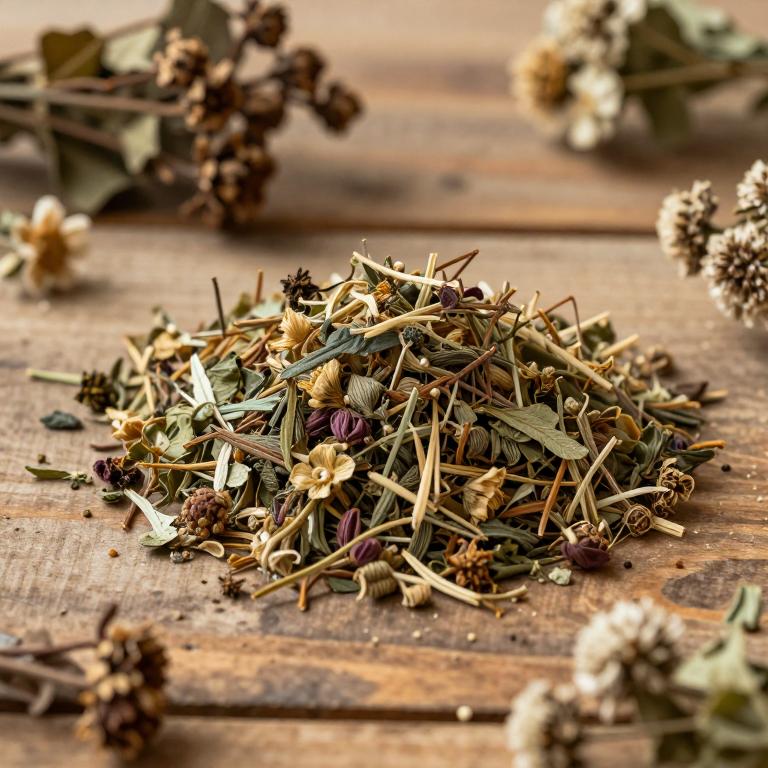
Rosa cinnamomea is a distinctive species of climbing rose known for its delicate, fragrant blooms and elegant foliage. This plant is highly valued in traditional practices where its various components are carefully processed into medicinal preparations. Through specialized methods, the plant is often transformed into a potent extract to harness its natural bioactive compounds. These extracts serve as essential ingredients in diverse formulations aimed at promoting wellness and vitality. Understanding the versatility of Rosa cinnamomea is key to appreciating its significant role in botanical applications.
- Synonyms
- Rosa Cinnamomea F. Elliptica · Rosa Cinnamomea Var. Lindleyi · 69 more
- Common names
- Not available
- Family
- Rosaceae
- Distribution
- Southern America
- Plant Parts
- Not available
Classification
Synonyms
Rosa cinnamomea is a botanical species known to encompass several distinct taxonomic synonyms. Within its complex classification, it is identified by names such as Rosa americana and Rosa balloniana. The plant also includes various formal forms that highlight its morphological diversity. Specifically, these include Rosa cinnamomea f. aprica, Rosa cinnamomea f. cinerea, and Rosa cinnamomea f. elliptica. Understanding these relationships is essential for accurately identifying the different variations of this rose.
Sources: The World Checklist of Vascular Plants (WCVP)
Taxonomy
Rosa cinnamomea is a distinctive member of the kingdom Plantae. Within this vast biological realm, it is classified under the class Equisetopsida. The plant belongs to the order Rosales, which connects it to many other significant flowering species. It further resides within the family Rosaceae, a group known for its diverse and beautiful blooms. Finally, it is formally identified by its specific genus, Rosa.
| Rank | Classification |
|---|---|
| Kingdom | Plantae |
| Phylum | Streptophyta |
| Class | Equisetopsida |
| Subclass | Magnoliidae |
| Order | Rosales |
| Family | Rosaceae |
| Genus | Rosa |
Sources: The World Checklist of Vascular Plants (WCVP)
Distribution
Geographic Regions
Rosa cinnamomea is a resilient species widely distributed across the Asia-Temperate region. Its range extends through the rugged landscapes of the Caucasus and Transcaucasus, reaching deep into Central Asia and Kazakhstan. In the northern reaches of the continent, the plant thrives within the vast expanse of Siberia. Specifically, it can be found in various territories such as the Altay mountains and the regions of Irkutsk and Krasnoyarsk. This broad geographical spread highlights the plant's remarkable ability to adapt to diverse Eurasian environments.
Sources: The World Checklist of Vascular Plants (WCVP)
Identification
Biological Activities
Compounds
Conditions
Rosa cinnamomea demonstrates significant biological utility by treating the bacteriostatic and bactericidal effects caused by H(2)O(2) and menadione. This plant extract acts as a protective agent that safeguards bacteria against oxidative damage from these specific substances. Furthermore, the species possesses the capacity to effectively treat peroxyl radicals through its antiradical activity. These dual capabilities highlight the plant's potent antioxidant properties in both microbial and chemical environments. Consequently, the extract serves as a versatile tool for neutralizing reactive oxygen species and preventing cellular harm.
Preparations
Rosa cinnamomea is prepared as extract and extracts to evaluate various medicinal properties. Although the provided abstracts focus heavily on other species like Rosa majalis, the specific relationship involves the processing of Rosa cinnamomea into these liquid forms. These extracts are studied to determine their potential antioxidant and radical-scavenging capabilities. By preparing the plant in these ways, researchers can measure its efficacy in protective biological systems. Such preparation methods are essential for identifying the bioactive compounds within the plant.