Small-Leaved Sweet-Briar
Rosa agrestis · Accepted scientific name
Scientific literature: Very Sparse (3 studies) · ★☆☆☆☆
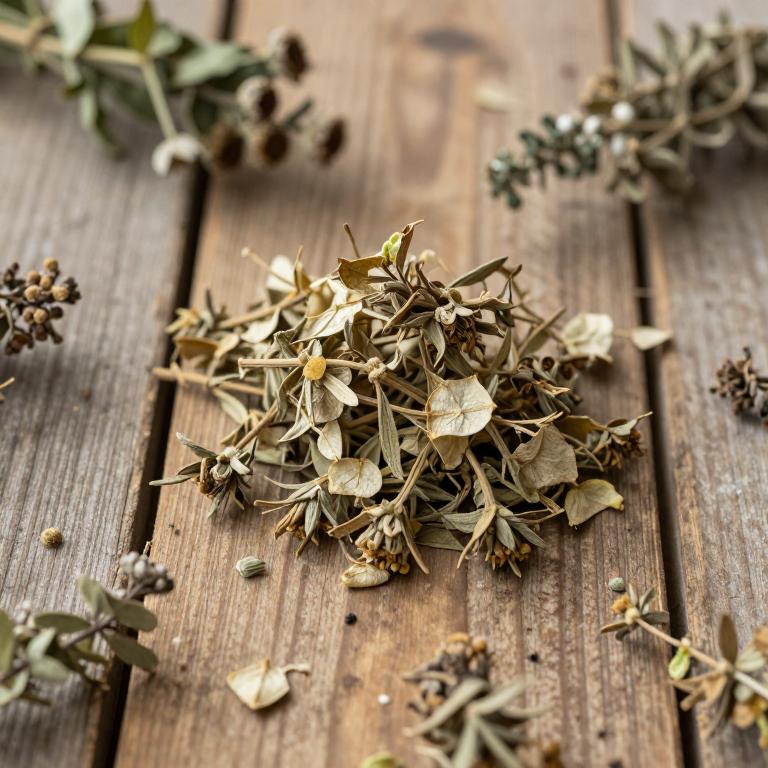
Small-Leaved Sweet-Briar, scientifically known as Rosa agrestis, is a resilient, flowering shrub prized for its aromatic qualities and therapeutic potential. Renowned for its delicate blooms and fragrant petals, this plant offers diverse medicinal benefits, traditionally used to soothe inflammation, support digestive health, and provide antioxidant-rich botanical extracts.
Names and Synonyms
Common Names
- Small-Leaved Sweet-Briar
- fieldbriar
- small-leaf sweetbriar
Scientific Names
Accepted name
Rosa agrestisSynonyms
- Rosa sepium f. mentita
- Rosa coriifolia var. agrestis
- Rosa micrantha var. arcadiensis
- Rosa ditrichopoda
- Rosa inodora var. virgultorum
- Rosa lexnitzensis
- Rosa schulzei
- Rosa sepium agrestis
- Rosa rubiginosa subsp. agrestis
- Rosa rubiginosa var. agrestis
- Rosa sepium var. agrestis
- Rosa sepium subsp. agrestis
- Rosa sepium var. albiflora
- Rosa sepium gizellae
- Rosa sepium f. gizellae
- Rosa sepium var. mentita
- Rosa sepium f. pubescens
- Rosa sepium var. robusta
- Rosa sepium var. virgultorum
- Chabertia virgultorum
- Rosa viscaria var. virgultorum
- Rosa agrestis var. mentita
- Rosa sepium subsp. mentita
- Rosa agrestis var. virgultorum
- Rosa sepium f. agrestis
- Rosa sepium var. vinodora
- Rosa agrestis var. floriana
- Rosa sepium f. vinodora
- Rosa agrestis subvar. vinodora
- Rosa sepium var. arvatica
- Rosa agrestis f. arvatica
- Rosa viscaria var. oblongicarpa
- Rosa viscaria var. dolichocarpa
- Rosa agrestis var. bohemica
- Rosa agrestis var. discreta
- Rosa agrestis var. danubialis
- Rosa agrestis var. deserta
- Rosa gizellae f. neogradensis
- Rosa agrestis var. isthaensis
- Rosa agrestis var. kupcsokiana
- Rosa agrestis f. microphylla
- Rosa agrestis var. milenae
- Rosa mentita
- Rosa agrestis var. minuscula
- Rosa agrestis var. mira
- Rosa agrestis var. myrtella
- Rosa agrestis var. pseudomentita
- Rosa sepium var. lancifolia
- Rosa sepium var. pubescens
- Rosa agrestis subvar. spathulifolia
- Rosa agrestis f. steffenii
- Rosa sepium var. rakovacensis
- Rosa agrestis f. stenorhyncha
- Rosa sepium f. robusta
- Rosa agrestis f. subdestituta
- Rosa agrestis var. typica
- Rosa sepium var. rosea
- Rosa agrestis var. typica
- Rosa sepium rosea
- Rosa agrestis var. vaccarii
- Rosa agrestis var. vallombrosae
- Rosa agrestis var. valpantinensis
- Rosa sepium var. alba
- Rosa agrestis f. virgultorum
- Rosa sepium f. dichtliana
- Rosa sepium var. discosa
- Rosa arcadiensis
- Rosa × anisopoda f. lexnitzensis
- Rosa bohemica
- Rosa borhekiana
- Rosa beytei
- Rosa agrestis var. haringiana
- Rosa canina var. arvatica
- Rosa abscondita
- Rosa sepium var. grandiflora
- Rosa sepium var. haringiana
- Rosa pseudosepium
- Rosa trachyphylla var. arvatica
- Rosa trachyphylla var. nuda
- Rosa haringiana
- Rosa agrestis var. denudata
- Rosa tomentella var. bohemica
- Rosa virgultorum
- Rosa virgultorum var. rubriflora
- Rosa viscaria subvar. albiflora
- Rosa viscaria subvar. albiflora
- Rosa viscaria var. ambigua
- Rosa viscaria var. attenuata
- Rosa viscaria var. axana
- Rosa dorica
- Rosa druentica
- Rosa densiflora
- Rosa viscaria var. pseudoelliptica
- Rosa vinodora
- Rosa stenorhyncha
- Rosa viscaria var. absimilis
- Rosa vistulana
- Rosa pubescens subsp. kostrakiewiczii
- Rosa semisepium
- Rosa sepioides
- Rosa kostrakiewiczii
- Rosa koslowskii
- Rosa leucadia
- Rosa gizellae f. longipes
- Rosa micranthoides
- Rosa albiflora
- Rosa elatior
- Rosa communis var. virgultorum
- Rosa agrestis var. bugeysiensis
- Rosa gizellae
- Rosa agrestis subsp. caryophyllacea
- Rosa agrestis f. ciliatosepala
- Rosa gizellae f. ditrichopoda
- Rosa agrestis var. columbiensis
- Rosa viscaria subsp. agrestis
- Rosa agrestis subvar. ditrichopoda
- Rosa graveolens subsp. nuda
- Rosa agrestis f. elatior
- Rosa agrestis var. losae
- Rosa agrestis var. abscondita
- Rosa agrestis var. adenoclada
- Rosa agrestis var. onubensis
- Rosa agrestis var. albiflora
- Rosa graveolens eriophora
- Rosa agrestis subvar. albiflora
- Rosa agrestis f. pseudoelliptica
- Rosa agrestis var. ampelophila
- Rosa graveolens subsp. eriophora
- Rosa agrestis subvar. arvatica
- Rosa agrestis var. arvatica
- Rosa agrestis var. babadagensis
- Rosa inodora var. arvatica
- Rosa agrestis var. banatica
- Rosa gizellae var. neogradensis
- Rosa agrestis f. lanuginea
- Rosa agrestis var. lasiopoda
- Rosa bohemica var. annae
- Rosa agrestis var. lexnitzensis
- Rosa agrestis subvar. longipes
- Rosa sepium f. kupcsokiana
- Rosa agrestis subvar. mentita
- Rosa agrestis var. rakovacensis
- Rosa agrestis subvar. neogradensis
- Rosa spathulifolia
- Rosa agrestis var. nitida
- Rosa silesiaca
- Rosa agrestis var. obversa
- Rosa agrestis subvar. osmoidea
- Rosa agrestis f. parvifolia
- Rosa agrestis var. pseudoelliptica
- Rosa agrestis subvar. pseudosepium
- Rosa agrestis subsp. pubescens
- Rosa agrestis var. pubescens
- Rosa agrestis subvar. robusta
- Rosa sepium f. virgultorum
- Rosa agrestis f. scaphusiensis
- Rosa agrestis var. schulzei
- Rosa agrestis subvar. sepioides
- Rosa agrestis subsp. floriana
- Rosa agrestis var. gizellae
- Rosa sepium var. intermedia
- Rosa sepium var. microcarpa
- Rosa agrestis var. heterostyla
- Rosa sepium var. nitens
- Rosa agrestis f. inermis
- Rosa sepium var. oblongicarpa
- Rosa agrestis subsp. silesiaca
- Rosa sepium f. osmoidea
- Rosa agrestis f. soulovillei
- Rosa agrestis subvar. virgultorum
- Rosa sepium var. ambigua
- Rosa arvatica
- Rosa sepium var. archetypa
- Rosa arvatica var. agrestis
- Rosa sepium f. arvatica
- Rosa arvatica f. floriana
- Rosa sepium f. denudata
- Rosa arvatica var. mentita
- Rosa viscaria var. arvatica
- Rosa viscaria var. elatior
- Rosa viscaria var. druentica
- Rosa viscaria var. mentita
- Rosa viscaria var. pubescens
- Rosa viscaria var. robusta
- Rosa floriana
- Rosa denudata
- Chabertia agrestis
Regional and Traditional Names
German:
- Acker-Rose
- Feld-Rose
- Feldrose
- Hoher Hagedorn
French:
- Églantier agreste
- Églantier des haies
- rosier agreste
- Rosier agreste
- Églantier agreste
- Églantier des haies
Sources: Wikidata, Catalogue of Life
Taxonomical Classification
This plant belongs to the kingdom Plantae and the phylum Streptophyta, specifically classified within the class Equisetopsida and subclass Magnoliidae. It is further organized under the order Rosales and the family Rosaceae. Ultimately, the medicinal species is categorized under the genus Rosa.
| Rank | Classification |
|---|---|
| Kingdom | Plantae |
| Phylum | Streptophyta |
| Class | Equisetopsida |
| Subclass | Magnoliidae |
| Order | Rosales |
| Family | Rosaceae |
| Genus | Rosa |
Sources: The World Checklist of Vascular Plants (WCVP)
Distribution
This plant exhibits a specific distribution pattern across several parts of the European continent. In Northern Europe, its presence is recorded in Denmark, Great Britain, and Ireland. The species also extends its range further north into Sweden. Additionally, it can be found within the central regions of Middle Europe, specifically in Austria. These locations collectively define the known geographical reach of Rosa agrestis.
| Region | Area |
|---|---|
| Northern Europe | Denmark |
| Northern Europe | Great Britain |
| Northern Europe | Ireland |
| Northern Europe | Sweden |
| Middle Europe | Austria |
| Middle Europe | Belgium |
| Middle Europe | Czechia-Slovakia |
| Middle Europe | Germany |
| Middle Europe | Hungary |
| Middle Europe | Netherlands |
Sources: The World Checklist of Vascular Plants (WCVP)
Botanical Identification
Ecology
The ecology of Rosa agrestis is characterized by its ability to thrive in diverse and transitional environmental zones. It is most commonly found colonizing forest edges, where it benefits from the increased light availability at the periphery of dense woodlands, as well as in mountainous regions where it adapts to varying elevations and cooler climates. Additionally, this species frequently populates shrubberies and roadside areas, demonstrating a high degree of resilience in disturbed habitats and open, scrubby landscapes. Through these varied habitats, the plant plays a role in stabilizing soil and providing structure within ecotones.
- Habitat :
- forest edges, mountains, roadsides, shrubberies
Life history
The life history of Rosa agrestis is characterized by its classification as a perennial plant, allowing it to persist through multiple growing seasons. In terms of its structural growth strategy, the species exhibits characteristics of both phanerophytes and nanophanerophytes, utilizing woody stems to maintain its stature and navigate its environment. The plant follows a deciduous pattern, shedding its foliage periodically as part of its seasonal life cycle.
- Deciduousness :
- deciduous
- Life form :
- nanophanerophyte
- Life form :
- phanerophyte
- Lifecycle :
- perennial
Morphology
The morphology of Rosa agrestis is characterized by a woody growth habit that manifests as a combination of shrub and subshrub forms. This plant is a self-supporting species, lacking the climbing mechanisms of lianas or vines, and it functions as an independent organism rather than a parasite or epiphyte, maintaining a strictly terrestrial existence. In terms of stature, the plant exhibits significant vertical variability, with heights ranging from a minimum of 1 meter to a maximum of 4 meters, maintaining a mean height of approximately 1.25 meters.
- Aquatic :
- terrestrial
- Climber :
- self-supporting
- Epiphyte :
- terrestrial
- Growth form :
- shrub
- Growth form :
- subshrub
- Parasite :
- independent
- Plant height max:
- 4 m
- Plant height mean:
- 1.25 m
- Plant height min:
- 1 m
- Woodiness :
- woody
Physiology
The physiology of Rosa agrestis is characterized by a C3 photosynthetic pathway, which dictates its carbon fixation processes and metabolic efficiency. The plant exhibits specific morphological adaptations reflected in its leaf architecture, maintaining a mean leaf size of 3.3765 cm². Furthermore, its resource allocation strategy and leaf density are indicated by a mean Specific Leaf Area (SLA) of 103.22 cm²/g, a metric that describes the ratio of leaf area to dry mass.
- Leaf size mean:
- 3.3765 cm²
- Photosynthetic pathway :
- C3
- Specific Leaf Area (SLA) mean:
- 103.22 cm²/g
Reproduction
The reproduction of Rosa agrestis is characterized by a specific flowering phenology and specialized biological mechanisms for pollination and seed dispersal. The flowering period typically commences in June and extends through July. During this stage, the plant utilizes a biotic pollination syndrome, specifically relying on insects to facilitate the transfer of pollen. While the plant is capable of self-fertilization, its reproductive success is supported by these insect interactions. Following successful fertilization, the plant produces seeds with a relatively small mass; the mean seed mass is approximately 0.0198 g, with individual seeds ranging from a minimum of 0.018 g to a maximum of 0.02192 g. The dispersal of these seeds follows a zoochorous syndrome, specifically employing endozoochory, where seeds are dispersed via the digestive tracts of animals, ensuring the spread of the species to new habitats.
- Dispersal syndrome :
- zoochorous
- Dispersal syndrome :
- endozoochorous
- Flowering time :
- Jun
- Flowering time :
- Jul
- Pollination syndrome :
- insect
- Pollination syndrome :
- biotic
- Seed mass max:
- 0.02192 g
- Seed mass mean:
- 0.0198155556666667 g
- Seed mass min:
- 0.018 g
- Self fertilization :
- present
Sources: Global Inventory of Floras and Traits (GIFT)
Chemicals
Rosa agrestis has 1 reported phytochemicals identified across 0 scientific publications and several other databases. The most consistently reported chemicals include Astragalin.
| Chemical | Supporting sources | Consensus |
|---|---|---|
| Astragalin | 1 supporting sources | ★☆☆☆☆ |
Astragalin
- Archives of pharmacal research
Activities
Rosa agrestis has 1 reported activities identified across 0 scientific publications and several other databases. The most consistently reported activities include Antioxidant.
| Activity | Supporting sources | Consensus |
|---|---|---|
| Antioxidant | 1 supporting sources | ★☆☆☆☆ |
Antioxidant
- Archives of pharmacal research
Conditions
Rosa agrestis has 1 reported investigations on conditions identified across 0 scientific publications and several other databases. The most consistently reported conditions include acute lung injury.
| Condition | Supporting sources | Consensus |
|---|---|---|
| Acute lung injury | 1 supporting sources | ★☆☆☆☆ |
Acute lung injury
- Archives of pharmacal research