Robinia nicou
Robinia nicou · Accepted scientific name
Scientific literature: Very Sparse (0 studies) · ★☆☆☆☆
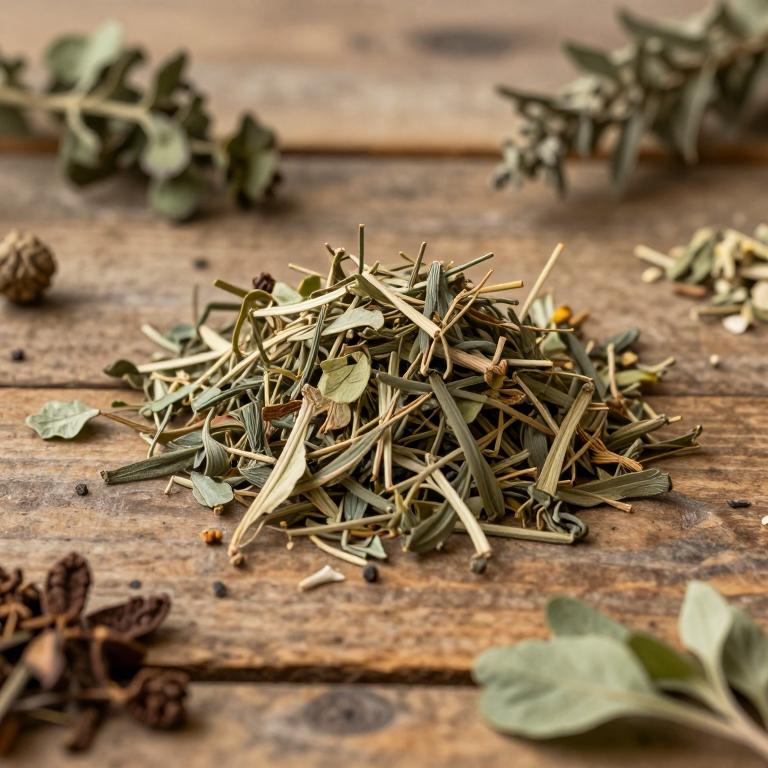
Robinia nicou is a striking deciduous tree known for its unique ornamental qualities and spreading habit. The plant is easily identified by its compound leaves, which consist of several small leaflets arranged along a central axis. Supporting these lush green leaves are sturdy, woody stems that provide the structural framework for its expanding canopy. As it matures, the texture and pattern of the stem and foliage create a visually captivating presence in any landscape. Understanding the relationship between its delicate leaf structure and robust stems is key to appreciating this species.
- Synonyms
- Not available
- Common names
- Not available
- Family
- Not available
- Distribution
- Not available
- Plant Parts
- Leaf · Stem
Classification
Distribution
Identification
Biological Activities
Compounds
Robinia nicou, also identified in botanical studies as Lonchocarpus nicou, serves as a significant source of bioactive secondary metabolites. Researchers have successfully isolated several unique stilbenes from the methanolic extracts of its leaves and stems. Among these chemical constituents, specific cis stilbene-type compounds have demonstrated potent leishmanicidal properties. Other trans stilbene-type structures and rotenoids were also identified, though they exhibited more moderate biological activities. These findings highlight the potential medicinal value of the stilbenes contained within this plant species.
Conditions
Robinia nicou, specifically identified in the study as Lonchocarpus nicou, possesses significant leishmanicidal properties. Researchers isolated several chemical constituents from the plant's leaves and stems that demonstrate the ability to treat leishmaniasis. Among these bioactive compounds, two specific cis stilbene-type molecules exhibited particularly potent leishmanicidal activity. Other trans stilbene-type compounds and rotenoids found within the plant also showed moderate effectiveness against the parasite. These findings highlight the medicinal potential of the plant's chemical profile in combating leishmanial infections.
Preparations
Parts used
Robinia nicou, also referred to as Lonchocarpus nicou, serves as a significant source of medicinal compounds in Peruvian folk medicine. Scientific investigations into this plant have focused on isolating bioactive constituents from its various structural components. Specifically, researchers have successfully extracted new leishmanicidal stilbenes from both the leaf and the stem of the species. These extracts contain a variety of chemical structures, including both cis and trans stilbene-type compounds as well as rotenoids. By analyzing these specific plant parts, scientists can better understand the potent leishmanicidal activities inherent in the plant's biology.