Rindera oblongifolia
Rindera oblongifolia · Accepted scientific name
Scientific literature: Very Sparse (0 studies) · ★☆☆☆☆
Rindera oblongifolia is a distinctive botanical species that holds significant interest in the field of phytochemical research. This plant is particularly noted for its unique chemical composition, which includes specialized bioactive compounds. Among its most notable constituents are the alkaloids echinatine and trachelanthamine N-oxide. These specific chemicals contribute to the complex biological profile that distinguishes this species from others in its genus. Understanding its chemical makeup provides valuable insights into the potential medicinal properties of the plant.
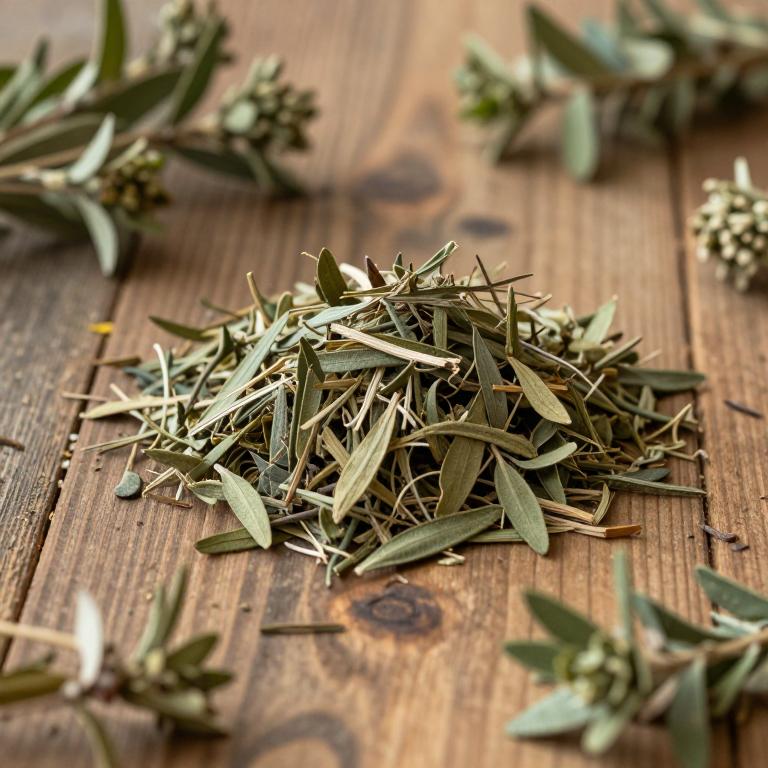
- Synonyms
- Cynoglossum Oblongifolium
- Common names
- Not available
- Family
- Boraginaceae
- Distribution
- Not available
- Plant Parts
- Not available
Classification
Common Names
Rindera oblongifolia is a distinctive botanical species recognized by its specific morphological characteristics. In certain linguistic contexts, it is referred to by the common name Риндера продолговатолистная. This nomenclature serves as a vital link for researchers and enthusiasts studying its unique properties. Understanding these naming conventions helps bridge the gap between scientific classification and local identification. Such relationships between formal Latin titles and common names are essential for accurate botanical documentation.
Sources: Catalogue of Life (COL)
Synonyms
Rindera oblongifolia is a botanical species that is often identified by its alternative scientific name, Cynoglossum oblongifolium. This synonymy can sometimes cause confusion for researchers and gardeners looking to accurately classify the plant. Understanding these nomenclatural connections is essential for maintaining precise records within botanical databases. Because taxonomic classifications can evolve over time, recognizing both names ensures consistent identification across various studies. Therefore, acknowledging the relationship between these two names provides clarity for anyone studying this particular flora.
Sources: The World Checklist of Vascular Plants (WCVP)
Taxonomy
Rindera oblongifolia belongs to the vast kingdom Plantae, representing a unique branch of the living world. Within this kingdom, the species is classified under the class Equisetopsida. It is further categorized into the order Boraginales, which defines its evolutionary lineage. This plant is a member of the genus Rindera, distinguishing it from other related species. Ultimately, it finds its place within the Boraginaceae family, showcasing its specific botanical connections.
| Rank | Classification |
|---|---|
| Kingdom | Plantae |
| Phylum | Streptophyta |
| Class | Equisetopsida |
| Subclass | Magnoliidae |
| Order | Boraginales |
| Family | Boraginaceae |
| Genus | Rindera |
Sources: The World Checklist of Vascular Plants (WCVP)
Distribution
Geographic Regions
Rindera oblongifolia is a plant species primarily found within the Asia-Temperate region. Its natural distribution is concentrated throughout the diverse landscapes of Central Asia. Specifically, this species can be located across the territories of Kazakhstan, Kirgizstan, and Tadzhikistan. It also maintains a presence within the borders of Uzbekistan, contributing to its regional ecological footprint. Together, these locations define the specific geographic range where this plant thrives.
Sources: The World Checklist of Vascular Plants (WCVP)
Identification
Morphology
Rindera oblongifolia is characterized by its distinct growth form as a herb. This species typically reaches a modest stature, with a maximum height of 0.5 m. Generally, the plant maintains a consistent profile, ranging from a minimum of 0.4 m to its full height.
Sources: Global Inventory of Floras and Traits (GIFT)
Biological Activities
Compounds
Rindera oblongifolia M. Popov is a plant species that has been studied extensively for its complex alkaloid composition. Scientific investigation into this plant has led to the isolation of several specific pyrrolizidine alkaloids. Notably, the chemical profile of Rindera oblongifolia contains echinatine. Furthermore, researchers have confirmed that the plant also contains trachelanthamine N-oxide. These findings contribute to a deeper understanding of the unique secondary metabolites found within this species.