Ricotia
Ricotia · Accepted scientific name
Scientific literature: Very Sparse (0 studies) · ★☆☆☆☆
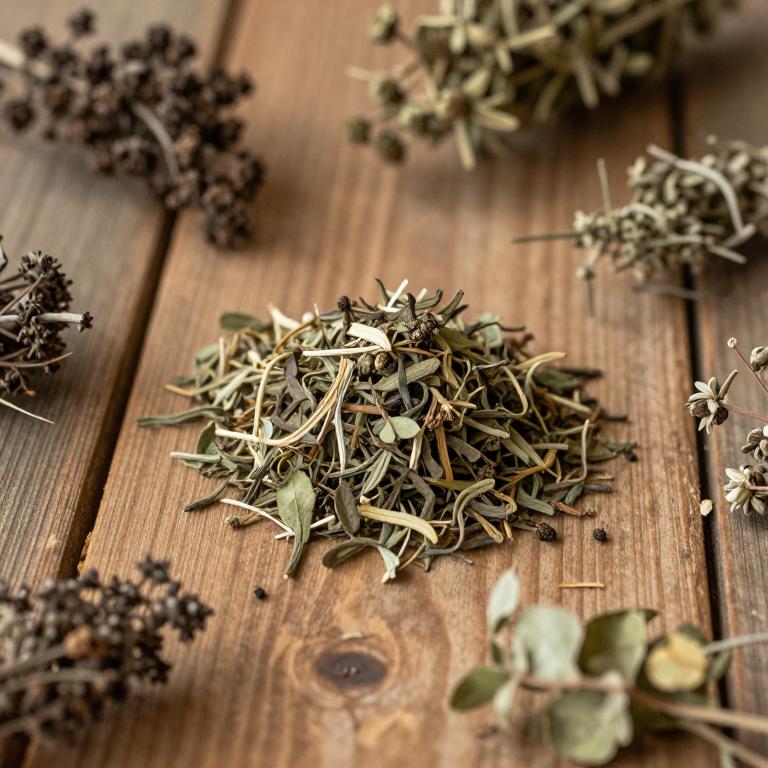
Ricotia is a significant plant species known for its specific pharmacological properties. It contains potent alkaloids, most notably hyoscyamine and scopolamine, which serve as its primary active components. These chemicals are frequently utilized in various medical and scientific applications due to their sedative and anticholinergic effects. Depending on the intended use, the plant is processed into different forms such as crude drugs or concentrated extracts. Understanding its chemical makeup is essential for its proper preparation and therapeutic application.
- Synonyms
- Scopolia · Notarisia
- Common names
- Not available
- Family
- Brassicaceae
- Distribution
- Not available
- Plant Parts
- Not available
Classification
Common Names
Ricotia is a fascinating plant that is widely recognized by its local common name, ristikät. This unique moniker reflects the deep-rooted cultural connections that people have maintained with the species over many generations. Understanding these traditional naming conventions provides a valuable window into how different communities perceive and interact with their natural surroundings. By studying such linguistic relationships, researchers can gain a more holistic view of the plant's historical significance within its habitat. Ultimately, the name ristikät serves as a vital link between the biological reality of the plant and the human stories woven around it.
Sources: Catalogue of Life (COL)
Synonyms
Ricotia is a botanical genus that is subject to various taxonomic classifications within scientific literature. Historically, the name Notarisia has been used as a synonym for this plant group. Similarly, the term Scopolia also serves as a recognized synonym in certain botanical contexts. Understanding these overlapping names is essential for researchers tracking the evolutionary history of the species. Consequently, navigating these synonyms ensures accuracy when studying the complex relationships within the genus.
Sources: The World Checklist of Vascular Plants (WCVP)
Taxonomy
Ricotia is a fascinating botanical subject that belongs to the kingdom Plantae. Within this vast realm, it is classified under the class Equisetopsida. The plant is further categorized into the order Brassicales, which defines many of its structural characteristics. It specifically resides within the family Brassicaceae, a group known for its diverse members. Ultimately, this organism is identified by its distinct genus, Ricotia.
| Rank | Classification |
|---|---|
| Kingdom | Plantae |
| Phylum | Streptophyta |
| Class | Equisetopsida |
| Subclass | Magnoliidae |
| Order | Brassicales |
| Family | Brassicaceae |
| Genus | Ricotia |
Sources: The World Checklist of Vascular Plants (WCVP)
Distribution
Geographic Regions
Ricotia exhibits a broad distribution pattern primarily concentrated throughout the Asia-Temperate regions. Its presence extends across the Caucasus and Transcaucasus, marking a significant footprint in these rugged landscapes. The genus also thrives in Western Asia, stretching from the East Aegean Islands to the Levant. Specific populations can be found within the Lebanon-Syria corridor and throughout Palestine. Finally, the range reaches into the Sinai, demonstrating the plant's ability to inhabit diverse Mediterranean and Near Eastern environments.
Sources: The World Checklist of Vascular Plants (WCVP)
Identification
Biological Activities
Compounds
Ricotia is a plant of significant pharmacological interest due to its specific chemical composition. Research indicates that Ricotia contains hyoscyamine, an alkaloid commonly found in various solanaceous species. Additionally, the plant is known to contain scopolamine, which contributes to its complex chemical profile. Advanced analytical techniques, such as ion-pair high-performance liquid chromatography, can be utilized to effectively separate and quantify these two compounds. Understanding these specific relationships is essential for the accurate study of crude drugs derived from such plants.
Conditions
Preparations
Ricotia is prepared as crude drugs to allow for the analysis of specific alkaloids like hyoscyamine and scopolamine. These solanaceous substances are also prepared as extract for detailed chemical evaluation. The processing of Ricotia into extracts enables researchers to determine enantiomeric purity through specialized chromatographic systems. Whether utilized as crude drugs or liquid extracts, these preparations are essential for high-performance liquid chromatography. Such diverse forms of Ricotia facilitate the precise identification of active medicinal compounds.