Rhododendron ungernii
Rhododendron ungernii · Accepted scientific name
Scientific literature: Very Sparse (1 studies) · ★☆☆☆☆
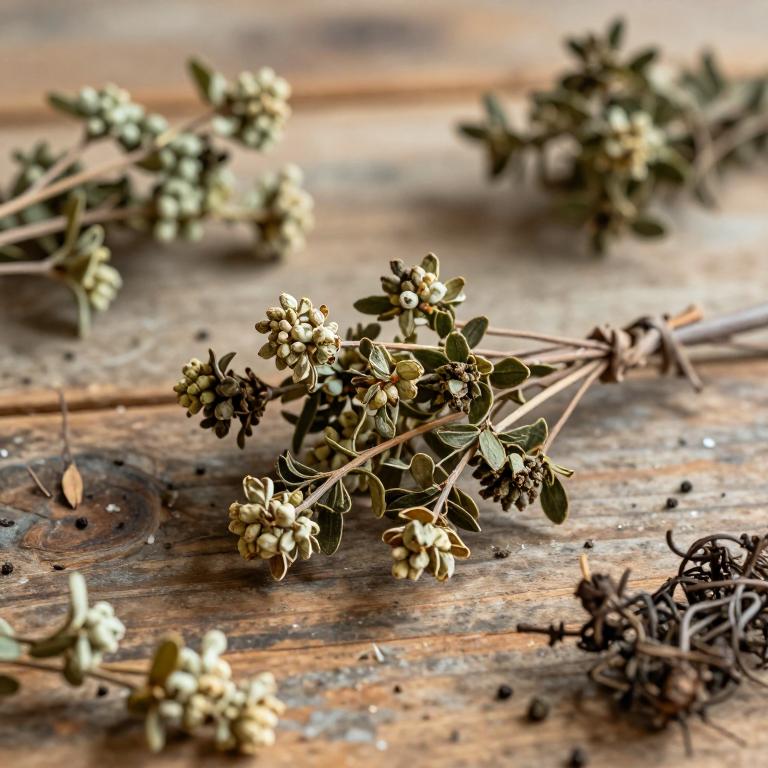
Rhododendron ungeernii, scientifically known as Rhododendron ungeernii, is a resilient medicinal shrub native to high-altitude Himalayan regions. Renowned for its therapeutic properties, it is frequently utilized in traditional medicine to treat respiratory ailments and inflammation. This hardy species serves as a vital botanical resource for holistic wellness.
- Family
- Not available
- Native range
- Asia-Temperate
- Parts used
- Leaf
- Common names
- Not available
- Scientific synonyms
- Not available
Names and Synonyms
Scientific Names
Accepted name
Rhododendron ungerniiDistribution
This plant exhibits a specific geographical distribution concentrated within certain mountainous regions. It can be found growing in the Transcaucasus area located within the Caucasus mountain range. Additionally, its natural habitat extends into Western Asia. Specifically, it is known to inhabit various parts of Türkiye. These locations define the primary range where this medicinal species thrives in the wild.
| Region | Area |
|---|---|
| Caucasus | Transcaucasus |
| Western Asia | Türkiye |
Sources: The World Checklist of Vascular Plants (WCVP)
Botanical Identification
Ecology
The ecology of Rhododendron ungeernii is characterized by its preference for mountainous forest environments, where it thrives within specific altitudinal constraints. This species is typically found inhabiting forest ecosystems situated in montane regions, occupying an elevational range that spans from a minimum of 700 m AMSL to a maximum of 1700 m AMSL. Within these mountain habitats, the plant integrates into the forest structure, relying on the specific microclimates provided by these mid-to-high altitude forested zones.
- Elevational range max:
- 1700 m AMSL
- Elevational range min:
- 700 m AMSL
- Habitat :
- forest, mountains
Life history
The life history of Rhododendron ungeernii is characterized by its status as a perennial species, meaning it persists through multiple growing seasons rather than completing its cycle in a single year. As a long-lived woody shrub, its development involves a sustained period of vegetative growth, where it establishes a robust root system and woody structure to support its foliage and eventual flowering. Following the establishment phase, the plant enters a recurring seasonal cycle of bud formation, blooming, and seed production. Its survival strategy relies on its ability to withstand seasonal environmental fluctuations over many years, maintaining its biological presence through continuous growth cycles that allow it to occupy its ecological niche over an extended lifespan.
- Lifecycle :
- perennial
Morphology
The morphology of Rhododendron ungerii is characterized by its growth form as a woody shrub, which can reach significant dimensions in its natural habitat. The plant exhibits a robust stature, with a height typically ranging from a minimum of 3.5 m to a maximum of 6 m. Due to its woody nature, the structural integrity of the plant is maintained by permanent, lignified tissues, allowing it to achieve its substantial height and maintain a stable, shrub-like architecture.
- Growth form :
- shrub
- Plant height max:
- 6 m
- Plant height min:
- 3.5 m
- Woodiness :
- woody
Reproduction
The reproduction of Rhododendron ungeernii is characterized by a specific seasonal flowering window that facilitates its pollination processes. The flowering period typically commences in May and continues through the early summer months, reaching its conclusion in July. This seasonal cycle ensures that the plant's reproductive structures are active during a defined period, allowing for the successful progression of its life cycle.
- Flowering time :
- May
- Flowering time :
- Jul
Sources: Global Inventory of Floras and Traits (GIFT)
Plant Parts
Rhododendron ungernii has 1 reported plant parts identified across 1 scientific publications and several other databases that are studied for medicinal purposes. The most consistently reported plant part include leaf.
| Plant part | Supporting sources | Consensus |
|---|---|---|
| Leaf | 1 supporting sources | ★☆☆☆☆ |
Leaf
- Phytotherapy research : PTR