Rhododendron grande
Rhododendron grande · Accepted scientific name
Scientific literature: Very Sparse (19 studies) · ★☆☆☆☆
Rhododendron grande, scientifically known as Rhododendron grande, is a majestic evergreen shrub prized for its massive, fragrant white blooms. Native to the Pacific Northwest, this botanical wonder thrives in cool, moist forests. Beyond its ornamental beauty, it holds significant cultural value and potential roles in traditional medicinal practices.
- Family
- Not available
- Native range
- Asia-Temperate
- Parts used
- Not available
- Common names
- Not available
- Scientific synonyms
- Not available
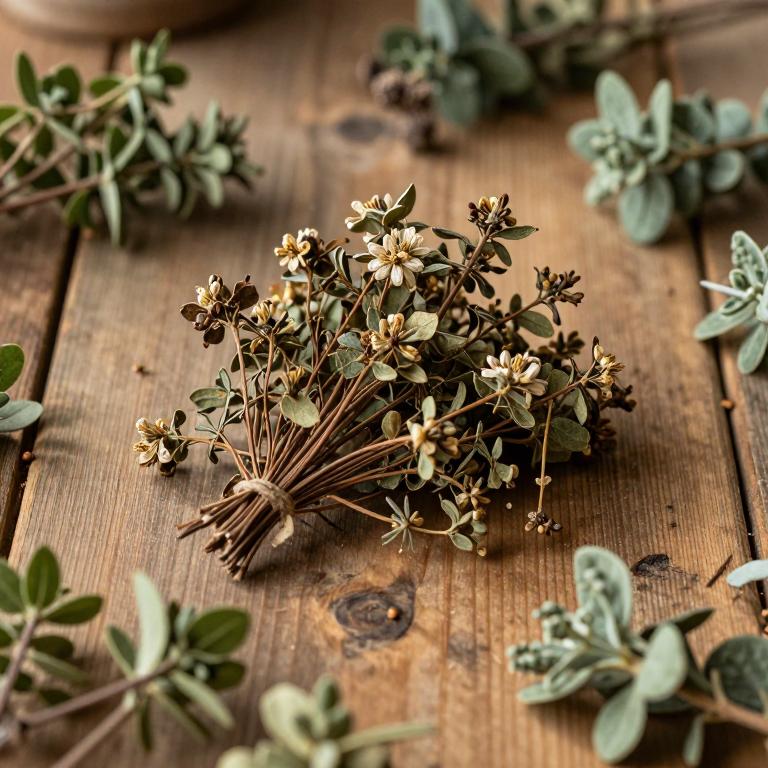
Names and Synonyms
Scientific Names
Accepted name
Rhododendron grandeDistribution
This plant exhibits a specific geographical distribution across parts of Asia. In China, its presence is noted within the Tibet region. Moving to the Indian Subcontinent, it can be found throughout the East Himalaya. Additionally, the species is widely distributed across Nepal. These locations define the primary natural habitats for this medicinal species.
| Region | Area |
|---|---|
| China | Tibet |
| Indian Subcontinent | East Himalaya |
| Indian Subcontinent | Nepal |
Sources: The World Checklist of Vascular Plants (WCVP)
Botanical Identification
Ecology
The ecology of Rhododendron grande is closely defined by its specific altitudinal distribution within montane ecosystems, where it thrives within a distinct vertical niche. This species is typically found across an elevational range that begins at 1600 m AMSL and extends up to a maximum of 3000 m AMSL. Within this range, the plant reaches its optimal ecological stability at a mean elevation of approximately 2250 m AMSL, a zone characterized by the specific temperature gradients and moisture levels necessary for its growth. This altitudinal positioning places it in environments that often feature cool, temperate climates and well-drained, acidic soils characteristic of high-altitude forest understories.
- Elevational range max:
- 3000 m AMSL
- Elevational range mean:
- 2250 m AMSL
- Elevational range min:
- 1600 m AMSL
Life history
The life history of Rhododendron grande is characterized by its status as a perennial plant, meaning it persists through multiple growing seasons rather than completing its cycle in a single year. Throughout its lifespan, it maintains an evergreen habit, retaining its foliage year-round and providing continuous structural presence in its natural habitat. This combination of a long-lived life cycle and permanent greenery allows the species to establish a stable presence in its ecosystem, undergoing seasonal physiological changes while maintaining its leaf canopy.
- Deciduousness :
- evergreen
- Lifecycle :
- perennial
Morphology
The morphology of Rhododendron grande is characterized by its robust growth form, primarily manifesting as a woody tree. As a self-supporting species, it does not rely on other structures for vertical growth, functioning as an independent organism rather than a parasite or an epiphyte, typically establishing itself in a terrestrial habitat. The plant exhibits significant stature, with its height ranging from a minimum of 8 meters to a maximum of 10 meters, maintaining an average height of approximately 9 meters.
- Climber :
- self-supporting
- Epiphyte :
- terrestrial
- Growth form :
- tree
- Parasite :
- independent
- Plant height max:
- 10 m
- Plant height mean:
- 9 m
- Plant height min:
- 8 m
- Woodiness :
- woody
Physiology
The physiology of Rhododendron grande is characterized by a C3 photosynthetic pathway, which governs its carbon fixation processes and energy production. The vegetative structure is supported by robust foliage with significant morphological variation in leaf dimensions. The leaves exhibit a length that typically averages 22 cm, though they can range from a minimum of 14 cm to a maximum of 30 cm. Complementing this longitudinal variation, the leaf width fluctuates between a minimum of 8 cm and a maximum of 13 cm, providing a substantial surface area optimized for light interception within its specific ecological niche.
- Leaf length max:
- 30 cm
- Leaf length mean:
- 22 cm
- Leaf length min:
- 14 cm
- Leaf width max:
- 13 cm
- Leaf width min:
- 8 cm
- Photosynthetic pathway :
- C3
Reproduction
The reproduction of Rhododendron grande is characterized by the development of specialized fruit structures designed for efficient seed dissemination. The fruit produced by this species maintains a highly consistent morphology, with a mean length of 4.5 cm and a minimum length of 4.5 cm, reaching a maximum of 4.5 cm. Similarly, the width of the fruit is uniform, exhibiting a mean, minimum, and maximum value of 1.4 cm. This specific fruit dimension facilitates its dispersal mechanism, which is classified under the anemochorous syndrome, indicating that the seeds are primarily dispersed by wind currents to colonize new habitats.
- Dispersal syndrome :
- anemochorous
- Fruit length max:
- 4.5 cm
- Fruit width max:
- 1.4 cm
Sources: Global Inventory of Floras and Traits (GIFT)
Chemicals
Rhododendron grande has 1 reported phytochemicals identified across 0 scientific publications and several other databases. The most consistently reported chemicals include betulinic acid.
| Chemical | Supporting sources | Consensus |
|---|---|---|
| betulinic acid | 1 supporting sources | ★☆☆☆☆ |
betulinic acid
- Dr. Duke
Activities
Rhododendron grande has 18 reported activities identified across 0 scientific publications and several other databases. The most consistently reported activities include Anthelmintic, AntiHIV, Antibacterial, Anticancer, Anticarcinomic.
| Activity | Supporting sources | Consensus |
|---|---|---|
| Anthelmintic | 1 supporting sources | ★☆☆☆☆ |
| AntiHIV | 1 supporting sources | ★☆☆☆☆ |
| Antibacterial | 1 supporting sources | ★☆☆☆☆ |
| Anticancer | 1 supporting sources | ★☆☆☆☆ |
| Anticarcinomic | 1 supporting sources | ★☆☆☆☆ |
| Antiedemic | 1 supporting sources | ★☆☆☆☆ |
| Antiinflammatory | 1 supporting sources | ★☆☆☆☆ |
| Antileukemic | 1 supporting sources | ★☆☆☆☆ |
| Antimalarial | 1 supporting sources | ★☆☆☆☆ |
| Antimelanomic | 1 supporting sources | ★☆☆☆☆ |
Anthelmintic
- Dr. Duke
AntiHIV
- Dr. Duke
Antibacterial
- Dr. Duke
Anticancer
- Dr. Duke
Anticarcinomic
- Dr. Duke
Antiedemic
- Dr. Duke
Antiinflammatory
- Dr. Duke
Antileukemic
- Dr. Duke
Antimalarial
- Dr. Duke
Antimelanomic
- Dr. Duke