Rhipsalis baccifera subsp. baccifera
Rhipsalis baccifera subsp. baccifera · Accepted scientific name
Scientific literature: Very Sparse (4 studies) · ★☆☆☆☆
Rhipsalis baccifera subsp. baccifera is a unique plant species recognized for its diverse range of biological activities, including analgesic, antidiabetic, antimicrobial, and diuretic properties. Scientific investigation into this species has identified key bioactive chemicals such as (+)-diasyringaresinol, actinodaphnine, cassyformine, and filiformine. Research suggests that these compounds may play a significant role in addressing specific medical conditions, most notably male infertility. To study these effects, researchers frequently utilize various preparations, including methanol extracts of the fresh herbs along with aqueous and hydroethanolic extracts. Understanding these phytochemical profiles provides essential insight into the potential therapeutic applications of this botanical specimen.
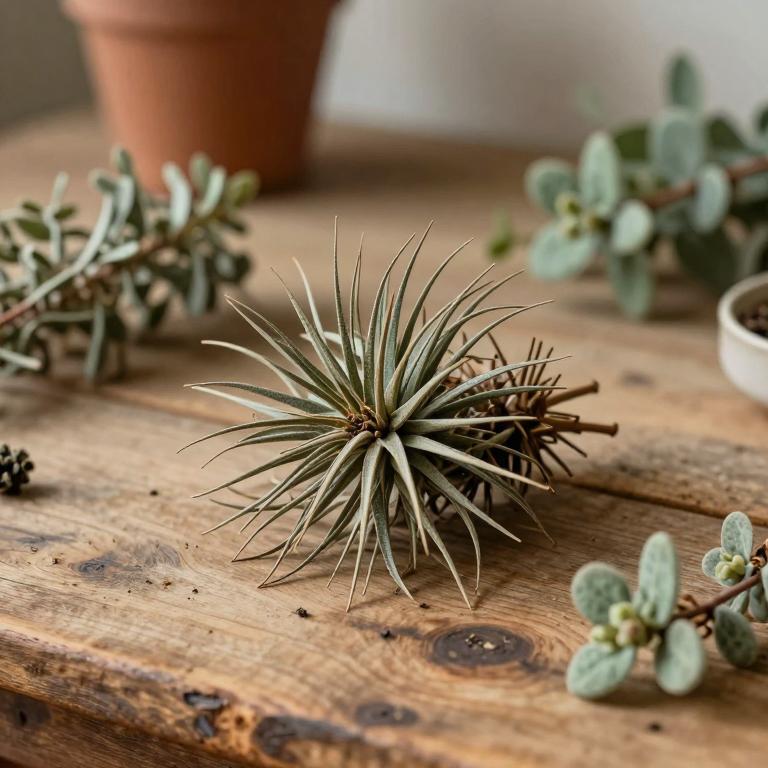
- Synonyms
- Rhipsalis Minutiflora · Rhipsalis Hookeriana · 38 more
- Common names
- Not available
- Family
- Cactaceae
- Distribution
- Not available
- Plant Parts
- Not available
Classification
Common Names
Rhipsalis baccifera subsp. baccifera is a fascinating plant that is known by a diverse array of regional names. In some areas, it is affectionately called Arito de piedra, while others refer to it as Barbas de palo. It also carries the unique moniker Cacto-macarrão, reflecting its distinct physical appearance. Depending on the local culture, you might even hear it called Charango or Conambaia. This variety of common names highlights the widespread presence and cultural significance of this unique species.
Sources: Catalogue of Life (COL)
Synonyms
Rhipsalis baccifera subsp. baccifera is a unique botanical specimen that has been identified by several different names throughout history. In various taxonomic records, this plant is recognized by its synonym Cactus caripensis. It is also frequently referred to in older literature as Cactus epidendrum and Cactus fasciculatus. Furthermore, researchers have historically documented it under the names Cactus parasiticus and Cactus pendulus. Understanding these various synonyms is essential for anyone studying the complex botanical relationships of this species.
Sources: The World Checklist of Vascular Plants (WCVP)
Taxonomy
Rhipsalis baccifera subsp. baccifera is a fascinating member of the kingdom Plantae that showcases the diverse beauty of the natural world. Belonging to the genus Rhipsalis, this unique species is a distinguished representative of the family Cactaceae. Its botanical classification places it within the order Caryophyllales, a group known for its distinct morphological traits. Furthermore, the plant is categorized under the class Equisetopsida, highlighting its fundamental structural characteristics. Understanding these taxonomic relationships provides essential insight into the evolutionary lineage of this remarkable plant.
| Rank | Classification |
|---|---|
| Kingdom | Plantae |
| Phylum | Streptophyta |
| Class | Equisetopsida |
| Subclass | Magnoliidae |
| Order | Caryophyllales |
| Family | Cactaceae |
| Genus | Rhipsalis |
Sources: The World Checklist of Vascular Plants (WCVP)
Distribution
Geographic Regions
Rhipsalis baccifera subsp. baccifera is a distinct botanical variety found across several key regions of the African continent. Its natural distribution spans much of East Tropical Africa, including the lush landscapes of Kenya, Tanzania, and Uganda. The plant also extends its reach into Northeast Tropical Africa, establishing a presence within the borders of Ethiopia. Furthermore, its range continues southward into the territories of Sudan and South Sudan. This broad geographic footprint highlights the diverse environments where this specific subspecies can thrive.
Sources: The World Checklist of Vascular Plants (WCVP)
Identification
Biological Activities
Rhipsalis baccifera subsp. baccifera possesses a diverse range of biological properties that highlight its significant pharmacological potential. Research indicates that this plant exhibits notable antimicrobial activity, making it a candidate for combating various pathogens. Furthermore, it has demonstrated effective analgesic properties, which can assist in the management of pain. The plant also shows antidiabetic activity, suggesting its utility in supporting metabolic health. Finally, its diuretic effects provide an additional therapeutic dimension for managing fluid balance in the body.
Compounds
Rhipsalis baccifera subsp. baccifera serves as a notable source of several complex chemical compounds. Detailed phytochemical analysis reveals that this subspecies contains the alkaloid actinodaphnine. Furthermore, the plant is characterized by the presence of cassyformine and the oxoaporphine alkaloid filiformine. Research also identifies the inclusion of N-methylactinodaphnine within its chemical makeup. Finally, the presence of ocoteine further defines the diverse constituent profile of this specific plant.
Conditions
Rhipsalis baccifera subsp. baccifera treats P-gp efflux, absolute weight of the kidneys, antiplatelet aggregation activity, body weight gain, and gelsemium poisoning.
Preparations
Rhipsalis baccifera subsp. baccifera is prepared as a MeOH extract of the fresh herbs. This plant is also prepared as aqueous and hydroethanolic extracts. Furthermore, Rhipsalis baccifera subsp. baccifera is prepared as aqueous extracts. It is also processed as an aqueous herbal extract. Finally, Rhipsalis baccifera subsp. baccifera is prepared as an aqueous whole extract.