Rhigiocarya racemifera
Rhigiocarya racemifera · Accepted scientific name
Scientific literature: Very Sparse (3 studies) · ★☆☆☆☆
, scientifically known as Rhigiocarya racemifera, is a remarkable medicinal plant valued in traditional healing practices. Renowned for its unique bioactive compounds, it serves as a vital natural resource for treating various ailments. Exploring its pharmacological potential offers promising insights into developing new therapeutic treatments and enhancing holistic wellness.
- Family
- Menispermaceae
- Native range
- Africa
- Parts used
- Not available
- Common names
- Not available
- Scientific synonyms
- Not available
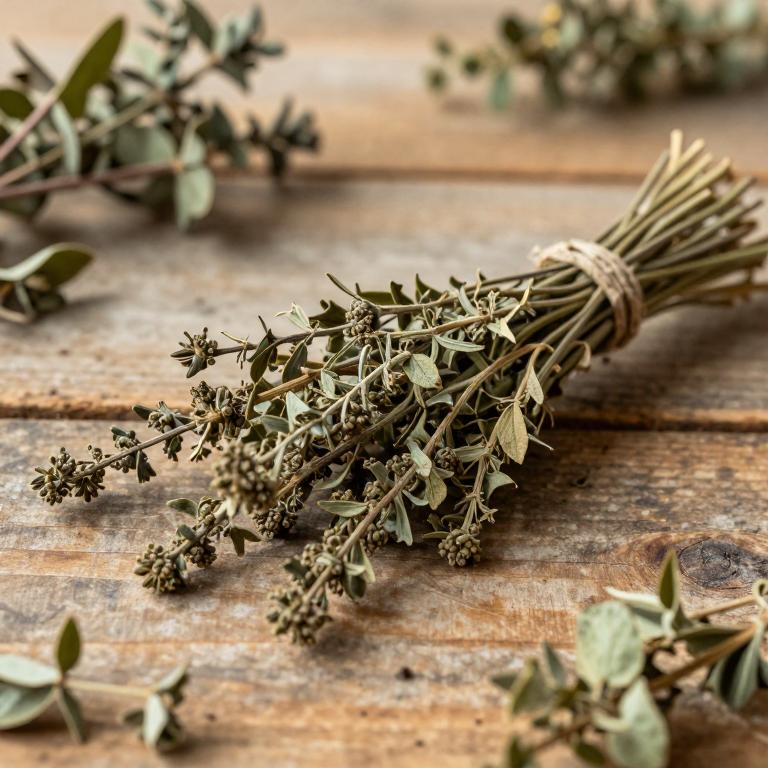
Names and Synonyms
Scientific Names
Accepted name
Rhigiocarya racemiferaSources: Wikidata, Catalogue of Life
Taxonomical Classification
This plant belongs to the kingdom Plantae and is classified under the phylum Streptophyta within the class Equisetopsida. As a member of the subclass Magnoliidae and the order Ranunculales, it is further categorized into the family Menispermaceae. Specifically, it is identified by the genus Rhigiocarya and the species Rhigiocarya racemifera.
| Rank | Classification |
|---|---|
| Kingdom | Plantae |
| Phylum | Streptophyta |
| Class | Equisetopsida |
| Subclass | Magnoliidae |
| Order | Ranunculales |
| Family | Menispermaceae |
| Genus | Rhigiocarya |
Sources: The World Checklist of Vascular Plants (WCVP)
Distribution
This plant exhibits a specific distribution pattern across several regions of the African continent. Within West Tropical Africa, its presence is documented in both Benin and Nigeria. The species also extends into West-Central Tropical Africa, where it can be found in Cameroon and the Congo. Furthermore, its range reaches the coastal area of Cabinda. Collectively, these locations highlight its habitat within the tropical belts of West and West-Central Africa.
| Region | Area |
|---|---|
| West Tropical Africa | Benin |
| West Tropical Africa | Nigeria |
| West-Central Tropical Africa | Cabinda |
| West-Central Tropical Africa | Cameroon |
| West-Central Tropical Africa | Congo |
| West-Central Tropical Africa | Equatorial Guinea |
| West-Central Tropical Africa | Gabon |
| West-Central Tropical Africa | DR Congo |
Sources: The World Checklist of Vascular Plants (WCVP)
Botanical Identification
Life history
The life history of Rhigiocarya racemifera is characterized by its classification as a phanerophyte, a growth form where the perennating buds are located high above the ground on aerial shoots. Within this classification, it specifically exhibits the traits of a phanerophyte (Life_form_1) and can be further categorized under the spectrum of phanerophyte life forms including nanophanerophyte, chamaephyte, hemicryptophyte, geophyte, hydrophyte, helophyte, therophyte, or lithophyte (Life_form_2), though its primary structural strategy relies on maintaining elevated buds to survive seasonal changes or environmental stressors. This life history strategy allows the plant to persist through various ecological cycles by protecting its regenerative tissues above the soil surface, ensuring its long-term survival in its native habitat.
- Life form :
- phanerophyte
Morphology
The morphology of Rhigiocarya racemifera is characterized by its growth habit as a liana, functioning as a climbing vine that utilizes surrounding structures for support. It is classified as an obligatory climber, meaning it requires external physical assistance to ascend, rather than being self-supporting or facultative. In terms of its ecological positioning, the plant is terrestrial, rooting in the ground rather than functioning as an epiphyte. Additionally, the plant exhibits variable woodiness in its structural development, transitioning through different levels of lignification as it matures.
- Climber :
- liana
- Climber :
- obligatory
- Epiphyte :
- terrestrial
- Woodiness :
- variable
Physiology
The physiology of Rhigiocarya racemifera is characterized by metabolic processes typical of its taxonomic classification, specifically regarding its nutrient acquisition and symbiotic relationships. In terms of its nitrogen metabolism, the plant does not function as a nitrogen fixer, as it lacks the specialized root nodules or symbiotic associations with nitrogen-fixing bacteria required to convert atmospheric nitrogen into ammonia. Instead, it relies on the uptake of nitrates and ammonium ions from the soil through its root system to support cellular functions and protein synthesis. Its physiological framework supports growth through standard photosynthetic pathways, utilizing light energy to drive carbon fixation, which provides the organic carbon necessary to fuel its respiratory and developmental processes.
- Nitrogen fixer :
- no
Reproduction
The reproduction of Rhigiocarya racemifera is characterized by specific floral mechanisms and genetic processes. Regarding its pollination and fertilization strategies, the capacity for self-fertilization is notably absent, indicating that the plant relies on external agents to facilitate the transfer of pollen between different flowers or individuals to ensure genetic diversity. This absence of self-fertilization suggests a reproductive cycle driven by cross-pollination, which promotes heterozygosity within the species.
- Self fertilization :
- absent
Sources: Global Inventory of Floras and Traits (GIFT)
Chemicals
Rhigiocarya racemifera has 2 reported phytochemicals identified across 0 scientific publications and several other databases. The most consistently reported chemicals include Glycosides, Saponins.
| Chemical | Supporting sources | Consensus |
|---|---|---|
| Glycosides | 1 supporting sources | ★☆☆☆☆ |
| Saponins | 1 supporting sources | ★☆☆☆☆ |
Glycosides
- General pharmacology
Saponins
- General pharmacology
Conditions
Rhigiocarya racemifera has 1 reported investigations on conditions identified across 0 scientific publications and several other databases. The most consistently reported conditions include Ulcers.
| Condition | Supporting sources | Consensus |
|---|---|---|
| Ulcers | 1 supporting sources | ★☆☆☆☆ |
Ulcers
- General pharmacology
Preparations
Rhigiocarya racemifera has 1 reported preparations identified across 0 scientific publications and several other databases. The most consistently reported preparations include aqueous extract.
| Preparation | Supporting sources | Consensus |
|---|---|---|
| Aqueous extract | 1 supporting sources | ★☆☆☆☆ |
Aqueous extract
- General pharmacology