Rhaponticum
Rhaponticum · Accepted scientific name
Scientific literature: Very Sparse (7 studies) · ★☆☆☆☆
Scientifically known as Rhaponticum, is a remarkable medicinal plant cherished for its therapeutic properties. Renowned for its potent bioactive compounds, it has been utilized in traditional healing to support various bodily functions. This guide explores its unique botanical characteristics, traditional applications, and the modern scientific interest surrounding its healing potential.
- Family
- Asteraceae
- Native range
- Europe
- Parts used
- Root
- Common names
- Not available
- Scientific synonyms
- Leuzea · Klaseopsis · 5 more
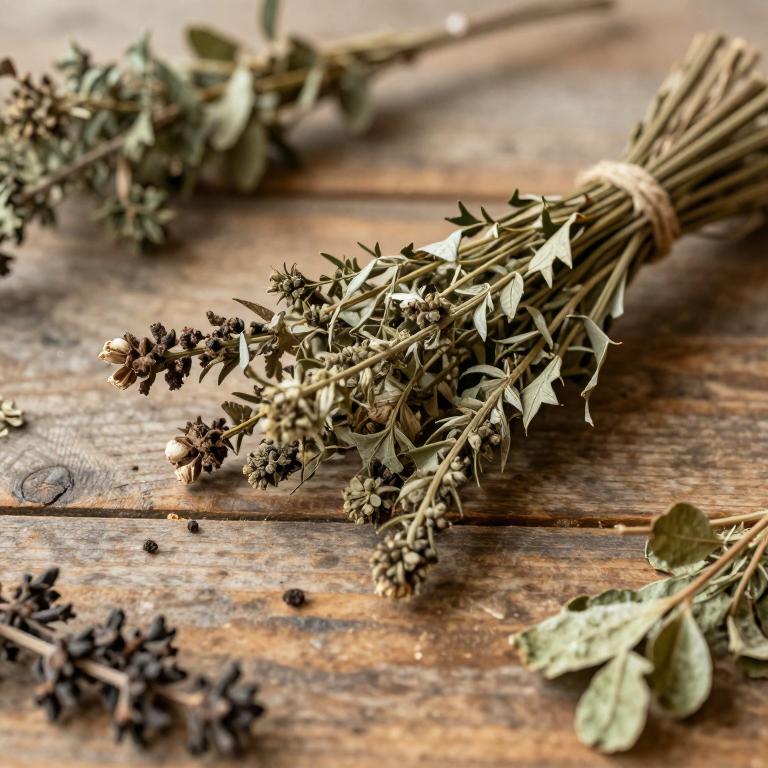
Names and Synonyms
Scientific Names
Accepted name
RhaponticumSynonyms
- Leuzea
- Klaseopsis
- Fornicium
- Rhapontica
- Malacocephalus
- Stemmacantha
- Acroptilon
Sources: Wikidata
Taxonomical Classification
This plant belongs to the kingdom Plantae and is classified under the phylum Streptophyta within the class Equisetopsida. Following the subclass Magnoliidae, it is categorized under the order Asterales and the family Asteraceae. Finally, its taxonomic placement is completed at the genus level as Rhaponticum.
| Rank | Classification |
|---|---|
| Kingdom | Plantae |
| Phylum | Streptophyta |
| Class | Equisetopsida |
| Subclass | Magnoliidae |
| Order | Asterales |
| Family | Asteraceae |
| Genus | Rhaponticum |
Sources: The World Checklist of Vascular Plants (WCVP)
Distribution
This plant exhibits a specific distribution pattern across several regions of the European continent. In Northern Europe, its presence can be documented within the borders of Great Britain. Moving into Middle Europe, the species is found throughout the landscapes of Belgium and Germany. It also populates the mountainous and temperate areas of Austria. Furthermore, the plant extends its range into the central territories of Czechia and Slovakia.
| Region | Area |
|---|---|
| Northern Europe | Great Britain |
| Middle Europe | Austria |
| Middle Europe | Belgium |
| Middle Europe | Czechia-Slovakia |
| Middle Europe | Germany |
| Middle Europe | Poland |
| Middle Europe | Switzerland |
| Southwestern Europe | Baleares |
| Southwestern Europe | Corse |
| Southwestern Europe | France |
Sources: The World Checklist of Vascular Plants (WCVP)
Plant Parts
Rhaponticum has 1 reported plant parts identified across 1 scientific publications and several other databases that are studied for medicinal purposes. The most consistently reported plant part include root.
| Plant part | Supporting sources | Consensus |
|---|---|---|
| Root | 1 supporting sources | ★☆☆☆☆ |
Root
- Journal of functional foods
Activities
Rhaponticum has 5 reported activities identified across 1 scientific publications and several other databases. The most consistently reported activities include Antimicrobial, Antioxidant, Cardioprotective, Digestive, Hepatoprotective.
| Activity | Supporting sources | Consensus |
|---|---|---|
| Antimicrobial | 1 supporting sources | ★☆☆☆☆ |
| Antioxidant | 1 supporting sources | ★☆☆☆☆ |
| Cardioprotective | 1 supporting sources | ★☆☆☆☆ |
| Digestive | 1 supporting sources | ★☆☆☆☆ |
| Hepatoprotective | 1 supporting sources | ★☆☆☆☆ |
Antimicrobial
- Biochemical and biophysical research communications
Antioxidant
- Biochemical and biophysical research communications
Cardioprotective
- Biochemical and biophysical research communications
Digestive
- Biochemical and biophysical research communications
Hepatoprotective
- Biochemical and biophysical research communications
Preparations
Rhaponticum has 4 reported preparations identified across 1 scientific publications and several other databases. The most consistently reported preparations include extracts, roots, tincture, tinctures.
| Preparation | Supporting sources | Consensus |
|---|---|---|
| Extracts | 1 supporting sources | ★☆☆☆☆ |
| Roots | 1 supporting sources | ★☆☆☆☆ |
| Tincture | 1 supporting sources | ★☆☆☆☆ |
| Tinctures | 1 supporting sources | ★☆☆☆☆ |
Extracts
- Eksperimental'naia i klinicheskaia farmakologiia
Roots
- Journal of functional foods
Tincture
- Eksperimental'naia i klinicheskaia farmakologiia
Tinctures
- Eksperimental'naia i klinicheskaia farmakologiia