Rhaponticum acaule
Rhaponticum acaule · Accepted scientific name
Scientific literature: Very Sparse (25 studies) · ★☆☆☆☆
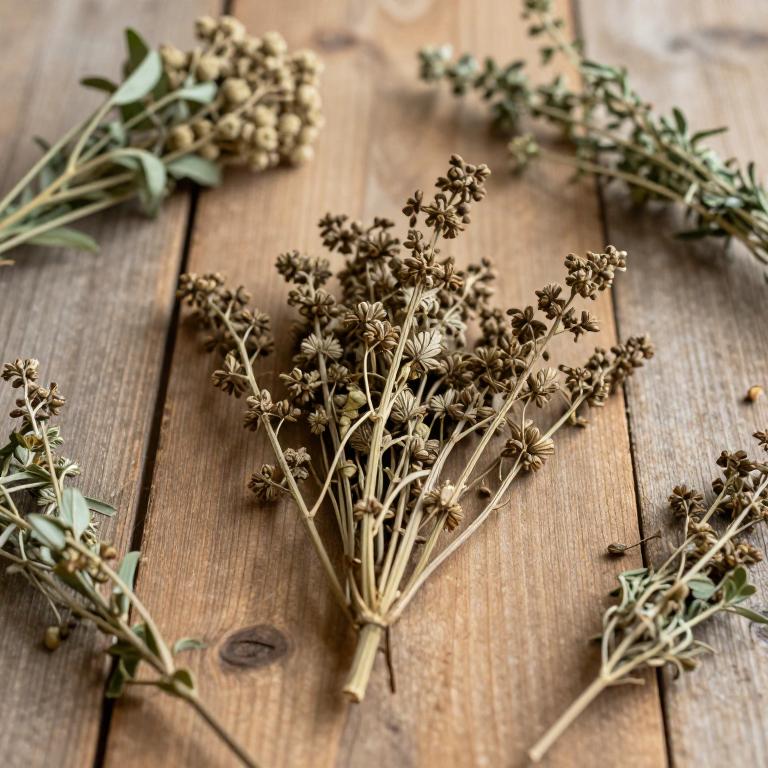
, scientifically known as Rhaponticum acaule, is a rare, low-growing perennial herb native to the subalpine regions of North America. Often referred to as dwarf mountain tea, this resilient plant thrives in rocky, high-altitude environments, offering unique botanical interest and potential ethnobotanical significance within its specialized mountain ecosystems.
- Family
- Asteraceae
- Native range
- Africa
- Parts used
- Leaf · Root
- Common names
- Not available
- Scientific synonyms
- Stemmacantha Acaulis · Leuzea Acaulis
Names and Synonyms
Scientific Names
Accepted name
Rhaponticum acauleSynonyms
- Stemmacantha acaulis
- Leuzea acaulis
Sources: Wikidata, Catalogue of Life
Taxonomical Classification
This plant belongs to the kingdom Plantae and is classified within the phylum Streptophyta and the class Equisetopsida. Following its placement in the subclass Magnoliidae and the order Asterales, it is a member of the family Asteraceae. It is specifically identified under the genus Rhaponticum.
| Rank | Classification |
|---|---|
| Kingdom | Plantae |
| Phylum | Streptophyta |
| Class | Equisetopsida |
| Subclass | Magnoliidae |
| Order | Asterales |
| Family | Asteraceae |
| Genus | Rhaponticum |
Sources: The World Checklist of Vascular Plants (WCVP)
Distribution
This plant is native to the specific regions located within Northern Africa. Its distribution is notably concentrated across several key Mediterranean countries. Specifically, it can be found growing in the landscapes of Algeria and Libya. The species also inhabits the diverse terrains of Morocco. Finally, its geographical range extends into the territory of Tunisia.
| Region | Area |
|---|---|
| Northern Africa | Algeria |
| Northern Africa | Libya |
| Northern Africa | Morocco |
| Northern Africa | Tunisia |
Sources: The World Checklist of Vascular Plants (WCVP)
Plant Parts
Rhaponticum acaule has 2 reported plant parts identified across 2 scientific publications and several other databases that are studied for medicinal purposes. The most consistently reported plant part include leaf, root.
| Plant part | Supporting sources | Consensus |
|---|---|---|
| Leaf | 1 supporting sources | ★☆☆☆☆ |
| Root | 1 supporting sources | ★☆☆☆☆ |
Leaf
- Natural product research
Root
- Natural product research
Chemicals
Rhaponticum acaule has 16 reported phytochemicals identified across 2 scientific publications and several other databases. The most consistently reported chemicals include 1-OCTADECANOL, BETA-IONONE, CHLOROGENIC ACID, Epi-13-Manool, Farnesyl acetate.
| Chemical | Supporting sources | Consensus |
|---|---|---|
| 1-OCTADECANOL | 1 supporting sources | ★☆☆☆☆ |
| BETA-IONONE | 1 supporting sources | ★☆☆☆☆ |
| CHLOROGENIC ACID | 1 supporting sources | ★☆☆☆☆ |
| Epi-13-Manool | 1 supporting sources | ★☆☆☆☆ |
| Farnesyl acetate | 1 supporting sources | ★☆☆☆☆ |
| Flavonoid | 1 supporting sources | ★☆☆☆☆ |
| Methyl eugenol | 1 supporting sources | ★☆☆☆☆ |
| Phytol | 1 supporting sources | ★☆☆☆☆ |
| RUTIN | 1 supporting sources | ★☆☆☆☆ |
| SINAPIC ACID | 1 supporting sources | ★☆☆☆☆ |
1-OCTADECANOL
- Microbiological research
BETA-IONONE
- Microbiological research
CHLOROGENIC ACID
- Natural product research
Epi-13-Manool
- Microbiological research
Farnesyl acetate
- Microbiological research
Flavonoid
- Natural product research
Methyl eugenol
- Microbiological research
Phytol
- Microbiological research
RUTIN
- Natural product research
SINAPIC ACID
- Natural product research