Rhaponticoides hajastana
Rhaponticoides hajastana · Accepted scientific name
Scientific literature: Very Sparse (2 studies) · ★☆☆☆☆
, scientifically known as Rhaponticoides hajastana, is a rare medicinal plant native to the specialized ecosystems of Central Asia. Valued in traditional ethnobotany, it possesses unique phytochemical properties. Researchers are increasingly studying its bioactive compounds to explore potential therapeutic applications in pharmacology and modern holistic wellness treatments.
- Family
- Asteraceae
- Native range
- Asia-Temperate
- Parts used
- Not available
- Common names
- Not available
- Scientific synonyms
- Centaurea Hajastana
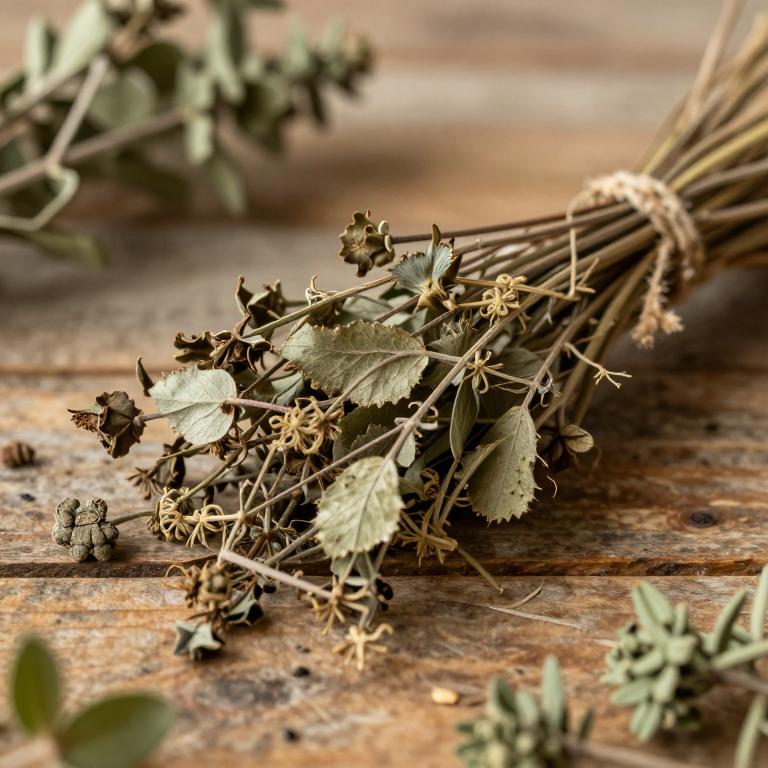
Names and Synonyms
Scientific Names
Accepted name
Rhaponticoides hajastanaSynonyms
- Centaurea hajastana
Sources: Wikidata
Taxonomical Classification
This plant belongs to the kingdom Plantae and is classified within the phylum Streptophyta and the class Equisetopsida. Following its placement in the subclass Magnoliidae and the order Asterales, it is a member of the family Asteraceae. Finally, it is categorized under the specific genus Rhaponticoides.
| Rank | Classification |
|---|---|
| Kingdom | Plantae |
| Phylum | Streptophyta |
| Class | Equisetopsida |
| Subclass | Magnoliidae |
| Order | Asterales |
| Family | Asteraceae |
| Genus | Rhaponticoides |
Sources: The World Checklist of Vascular Plants (WCVP)
Distribution
This plant exhibits a specific and localized geographical distribution within the mountainous regions of Eurasia. It is primarily found inhabiting the diverse terrains of the Caucasus mountain range. More specifically, its presence is concentrated within the Transcaucasus area. This restricted range suggests that the species is adapted to the particular ecological conditions of this specific territory. Consequently, the plant remains a characteristic element of the regional flora in these southern Caucasian landscapes.
| Region | Area |
|---|---|
| Caucasus | Transcaucasus |
Sources: The World Checklist of Vascular Plants (WCVP)
Botanical Identification
Ecology
The ecology of Rhaponticoides hajastanana is characterized by its adaptation to rugged and exposed terrains, where it primarily establishes itself within mountainous regions and steppe environments. It shows a particular affinity for stony places, thriving in substrates that offer significant drainage and minimal competition from dense vegetation. This preference for rocky, high-altitude, or semi-arid landscapes suggests a high tolerance for fluctuating temperatures and varying levels of solar radiation typical of these open, lithic habitats.
- Habitat :
- mountains, steppe, stony places
Life history
The life history of Rhaponticoides hajastanana is characterized by its classification as a perennial species, meaning it completes its biological cycle over multiple years rather than within a single growing season. As a perennial, the plant maintains a persistent vegetative structure that allows it to survive through various seasonal changes, enabling it to regrow and potentially flower multiple times throughout its existence. This life strategy often involves the development of robust underground storage organs that provide the energy necessary to endure dormant periods and support the energetic demands of repeated reproductive cycles.
- Lifecycle :
- perennial
Morphology
The morphology of Rhaponticoides hajastana is characterized by its growth form as a herb, exhibiting a non-woody structure throughout its development. The plant typically reaches a height ranging from a minimum of 1 m to a maximum of 1.2 m.
- Growth form :
- herb
- Plant height max:
- 1.2 m
- Plant height min:
- 1 m
- Woodiness :
- non-woody
Reproduction
The reproduction of Rhaponticoides hajastana is characterized by a specific seasonal flowering period that facilitates its reproductive cycle. The flowering process begins in June and continues through the summer months, eventually reaching its conclusion in August. This temporal window defines the period during which the plant's reproductive structures are active and available for pollination.
- Flowering time :
- Jun
- Flowering time :
- Aug
Sources: Global Inventory of Floras and Traits (GIFT)
Chemicals
Rhaponticoides hajastana has 2 reported phytochemicals identified across 0 scientific publications and several other databases. The most consistently reported chemicals include Terpenoids, polyphenols.
| Chemical | Supporting sources | Consensus |
|---|---|---|
| Terpenoids | 1 supporting sources | ★☆☆☆☆ |
| polyphenols | 1 supporting sources | ★☆☆☆☆ |
Terpenoids
- The Journal of pharmacy and pharmacology
polyphenols
- The Journal of pharmacy and pharmacology