Rhamnus erythroxyloides subsp. erythroxyloides
Rhamnus erythroxyloides subsp. erythroxyloides · Accepted scientific name
Scientific literature: Very Sparse (5 studies) · ★☆☆☆☆
, scientifically known as Rhamnus erythroxyloides subsp. erythroxyloides, is a significant medicinal plant valued in traditional healing practices. Renowned for its unique phytochemical properties, this subspecies offers therapeutic potential in managing various ailments. Understanding its botanical characteristics and medicinal applications is essential for exploring its role in natural pharmacology.
- Family
- Rhamnaceae
- Native range
- Asia-Temperate
- Parts used
- Not available
- Common names
- Not available
- Scientific synonyms
- Rhamnus Pallasii Subsp. Mazandaranica · Rhamnus Pallasii Var. Intermedia · 2 more
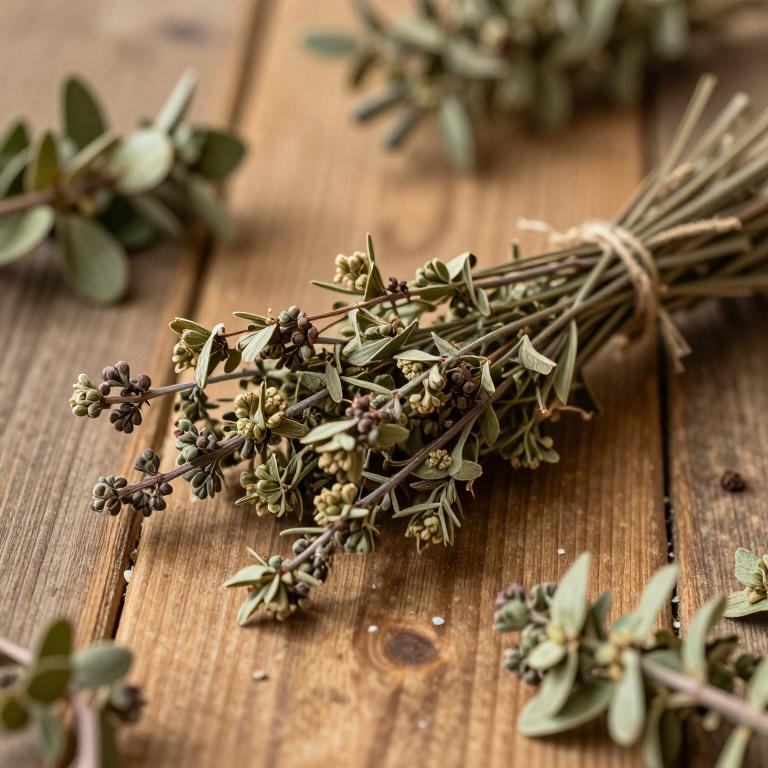
Names and Synonyms
Scientific Names
Accepted name
Rhamnus erythroxyloides subsp. erythroxyloidesSynonyms
- Rhamnus pallasii subsp. mazandaranica
- Rhamnus pallasii var. intermedia
- Rhamnus pallasii
- Rhamnus medwedewii
Taxonomical Classification
This plant belongs to the kingdom Plantae and is classified under the phylum Streptophyta and class Equisetopsida. Within the subclass Magnoliidae, it is positioned in the order Rosales and the family Rhamnaceae. Finally, its taxonomic identity is established within the genus Rhamnus as the subspecies Rhamnus erythroxyloides subsp. erythroxyloides.
| Rank | Classification |
|---|---|
| Kingdom | Plantae |
| Phylum | Streptophyta |
| Class | Equisetopsida |
| Subclass | Magnoliidae |
| Order | Rosales |
| Family | Rhamnaceae |
| Genus | Rhamnus |
Sources: The World Checklist of Vascular Plants (WCVP)
Distribution
This plant exhibits a specific geographical distribution spanning several distinct regions across Western and Central Asia. In the area of Central Asia, its presence is documented within the borders of Turkmenistan. Moving toward the Caucasus, it can be found in both the North Caucasus and the Transcaucasus regions. The species also extends into Western Asia, specifically inhabiting parts of Iran. Furthermore, its range reaches into the territory of Iraq, completing its regional spread.
| Region | Area |
|---|---|
| Central Asia | Turkmenistan |
| Caucasus | North Caucasus |
| Caucasus | Transcaucasus |
| Western Asia | Iran |
| Western Asia | Iraq |
| Western Asia | Türkiye |
Sources: The World Checklist of Vascular Plants (WCVP)
Chemicals
Rhamnus erythroxyloides subsp. erythroxyloides has 4 reported phytochemicals identified across 0 scientific publications and several other databases. The most consistently reported chemicals include Epicatechin, Flavonoids, Resins, Sugars.
| Chemical | Supporting sources | Consensus |
|---|---|---|
| Epicatechin | 1 supporting sources | ★☆☆☆☆ |
| Flavonoids | 1 supporting sources | ★☆☆☆☆ |
| Resins | 1 supporting sources | ★☆☆☆☆ |
| Sugars | 1 supporting sources | ★☆☆☆☆ |
Epicatechin
- Journal of ethnopharmacology
Flavonoids
- Journal of ethnopharmacology
Resins
- Journal of ethnopharmacology
Sugars
- Journal of ethnopharmacology
Activities
Rhamnus erythroxyloides subsp. erythroxyloides has 1 reported activities identified across 0 scientific publications and several other databases. The most consistently reported activities include Hypotensive.
| Activity | Supporting sources | Consensus |
|---|---|---|
| Hypotensive | 1 supporting sources | ★☆☆☆☆ |
Hypotensive
- Journal of ethnopharmacology
Preparations
Rhamnus erythroxyloides subsp. erythroxyloides has 2 reported preparations identified across 0 scientific publications and several other databases. The most consistently reported preparations include lyophilized hot water extract, organic solvent extracts.
| Preparation | Supporting sources | Consensus |
|---|---|---|
| Lyophilized hot water extract | 1 supporting sources | ★☆☆☆☆ |
| Organic solvent extracts | 1 supporting sources | ★☆☆☆☆ |
Lyophilized hot water extract
- Journal of ethnopharmacology
Organic solvent extracts
- Journal of ethnopharmacology