Reynoutria ×bohemica
Reynoutria × bohemica · Accepted scientific name
Scientific literature: Very Sparse (13 studies) · ★☆☆☆☆
Reynoutria × bohemica, scientifically known as Reynoutria × bohemica, is a fascinating hybrid plant valued in traditional herbalism. Often recognized for its resilient nature, this species contains bioactive compounds potentially useful in managing inflammation and supporting vascular health, offering unique therapeutic possibilities for those exploring natural botanical remedies.
- Family
- Polygonaceae
- Native range
- Europe
- Parts used
- Not available
- Common names
- Reynoutria ×Bohemica · Bohemian Knotweed
- Scientific synonyms
- Fallopia Sachalinensis Var. Intermedia · Polygonum × Bohemicum · 5 more
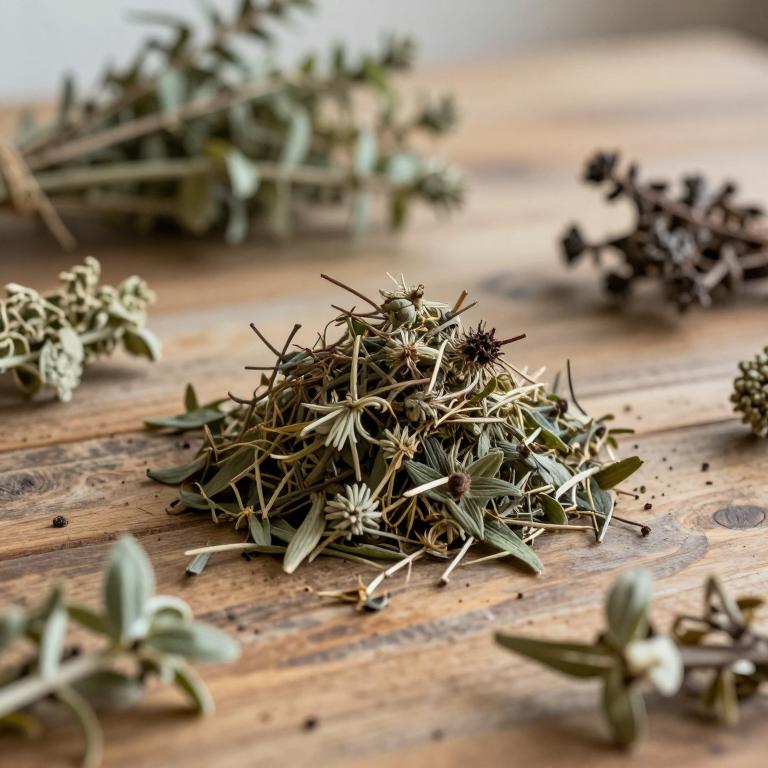
Names and Synonyms
Common Names
- Reynoutria ×bohemica
- Bohemian knotweed
Scientific Names
Accepted name
Reynoutria × bohemicaSynonyms
- Fallopia sachalinensis var. intermedia
- Polygonum × bohemicum
- Fallopia × bohemica
- Reynoutria × mizushimae
- Reynoutria × vivax
- Reynoutria sachalinensis var. intermedia
- Polygonum sachalinense var. intermedium
Regional and Traditional Names
Spanish:
- Reynoutria ×bohemica
- Reynoutria bohemica
German:
- Reynoutria ×bohemica
- Fallopia ×bohemica
- Bastard-Staudenknoeterich
French:
- Reynoutria ×bohemica
- Reynoutria bohemica
- renouée de Bohème
- Renouee de Boheme
Sources: Wikidata, Catalogue of Life
Taxonomical Classification
This plant belongs to the kingdom Plantae within the phylum Streptophyta and the class Equisetopsida. It is classified under the subclass Magnoliidae in the order Caryophyllales, specifically within the family Polygonaceae. Taxonomically, it is identified by the genus Reynoutria.
| Rank | Classification |
|---|---|
| Kingdom | Plantae |
| Phylum | Streptophyta |
| Class | Equisetopsida |
| Subclass | Magnoliidae |
| Order | Caryophyllales |
| Family | Polygonaceae |
| Genus | Reynoutria |
Sources: The World Checklist of Vascular Plants (WCVP)
Distribution
This plant, Reynoutria × bohemica, exhibits a specific geographical distribution across several regions of Northern Europe. It can be found growing within the borders of Denmark and Finland. Additionally, its presence is documented across the islands of Great Britain and Ireland. The species is also established within the territory of Norway. Together, these locations define its current range across the northernmost parts of the continent.
| Region | Area |
|---|---|
| Northern Europe | Denmark |
| Northern Europe | Finland |
| Northern Europe | Great Britain |
| Northern Europe | Ireland |
| Northern Europe | Norway |
| Northern Europe | Sweden |
| Middle Europe | Belgium |
| Middle Europe | Czechia-Slovakia |
| Middle Europe | Germany |
| Middle Europe | Hungary |
Sources: The World Checklist of Vascular Plants (WCVP)
Botanical Identification
Life history
The life history of Reynoutria × bohemica is characterized by its status as a perennial species, allowing it to establish long-term presence within its habitat through repeated seasonal growth cycles. As a hybrid, its development involves complex vegetative strategies that enable it to persist over multiple years, often utilizing extensive rhizomatous networks to spread and survive unfavorable conditions. This perennial nature ensures that the plant can re-emerge from underground structures annually, contributing to its ability to dominate specific ecological niches and maintain structural stability across successive growing seasons.
- Lifecycle :
- perennial
Morphology
The morphology of Reynoutria × bohemica is characterized by its growth form as a herbaceous plant, specifically functioning as a forb within its ecosystem. Structurally, the plant exhibits a non-woody nature, lacking true woody tissue in its primary stems, which results in a succulent yet sturdy herbaceous habit.
- Growth form :
- herb
- Woodiness :
- non-woody
Physiology
The physiology of Reynoutria × bohemica is characterized by a C3 photosynthetic pathway, a metabolic strategy typical of many temperate herbaceous perennials that involves the direct fixation of atmospheric carbon dioxide via the enzyme RuBisCO within the mesophyll cells. This C3 mechanism dictates its carbon assimilation efficiency and water-use patterns, making the plant highly dependent on moderate environmental temperatures and consistent moisture availability for optimal growth. Beyond its carbon fixation processes, the physiological profile of this hybrid involves robust nutrient uptake and a specialized vascular system designed to support its rapid biomass accumulation and extensive rhizomatous growth. The metabolic activity within its tissues is closely tied to seasonal fluctuations, where the efficiency of its C3 cycle modulates its ability to store energy in subterranean structures during periods of varying light intensity and ambient temperature.
- Photosynthetic pathway :
- C3
Sources: Global Inventory of Floras and Traits (GIFT)
Chemicals
Reynoutria × bohemica has 10 reported phytochemicals identified across 0 scientific publications and several other databases. The most consistently reported chemicals include Stilbenes, Anthraquinones, Astringin, Piceid, Proanthocyanidins.
| Chemical | Supporting sources | Consensus |
|---|---|---|
| Stilbenes | 3 supporting sources | ★★☆☆☆ |
| Anthraquinones | 1 supporting sources | ★☆☆☆☆ |
| Astringin | 1 supporting sources | ★☆☆☆☆ |
| Piceid | 1 supporting sources | ★☆☆☆☆ |
| Proanthocyanidins | 1 supporting sources | ★☆☆☆☆ |
| Procyanidins | 1 supporting sources | ★☆☆☆☆ |
| emodin | 1 supporting sources | ★☆☆☆☆ |
| piceatannol | 1 supporting sources | ★☆☆☆☆ |
| polyphenols | 1 supporting sources | ★☆☆☆☆ |
| resveratrol | 1 supporting sources | ★☆☆☆☆ |
Stilbenes
- BMC plant biology
- Scientific reports
- Nutrients
Anthraquinones
- Scientific reports
Astringin
- BMC plant biology
Piceid
- BMC plant biology
Proanthocyanidins
- Molecules (Basel, Switzerland)
Procyanidins
- Scientific reports
emodin
- BMC plant biology
piceatannol
- BMC plant biology
polyphenols
- Nutrients
resveratrol
- BMC plant biology
Conditions
Reynoutria × bohemica has 1 reported investigations on conditions identified across 0 scientific publications and several other databases. The most consistently reported conditions include diabetes mellitus.
| Condition | Supporting sources | Consensus |
|---|---|---|
| Diabetes mellitus | 1 supporting sources | ★☆☆☆☆ |
Diabetes mellitus
- Nutrients