Retama raetam subsp. gussonei
Retama raetam subsp. gussonei · Accepted scientific name
Scientific literature: Very Sparse (0 studies) · ★☆☆☆☆
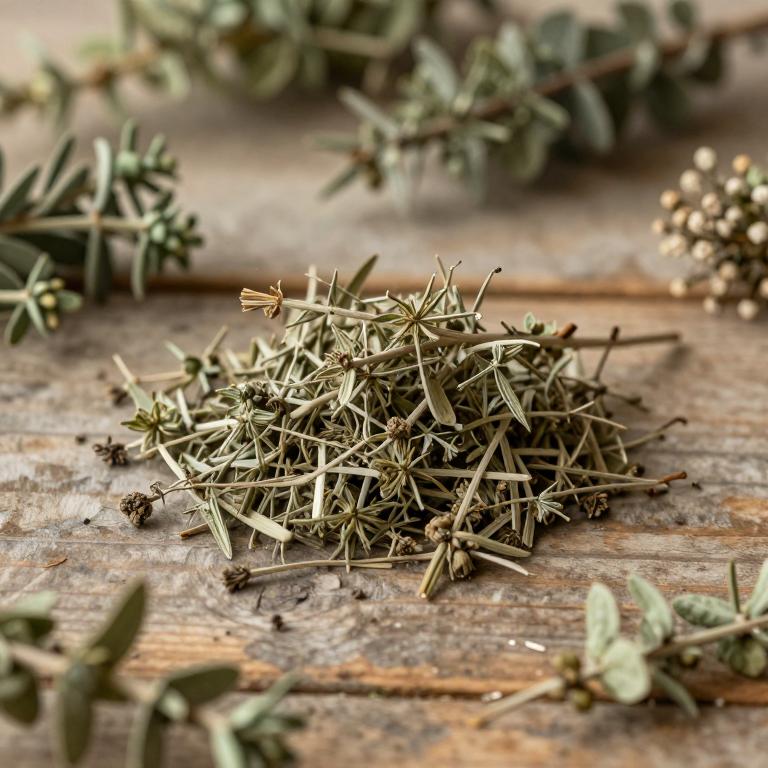
Retama raetam subsp. gussonei is a distinctive shrub native to the Mediterranean region, known for its resilient nature in arid landscapes. This particular subspecies has garnered significant scientific interest due to its unique chemical composition. Recent studies have highlighted its potential therapeutic applications, specifically regarding its hypoglycemic effect. By assisting in the regulation of blood sugar levels, the plant offers promising insights for metabolic health management. Understanding its pharmacological properties is essential for exploring its role in natural medicinal treatments.
- Synonyms
- Retama Raetam Var. Sarcocarpa · Retama Gussonei · 2 more
- Common names
- Not available
- Family
- Fabaceae
- Distribution
- Not available
- Plant Parts
- Not available
Classification
Common Names
Retama raetam subsp. gussonei is a distinctive botanical variety recognized for its unique characteristics within its genus. In many regions, this specific subspecies is affectionately known by its common name, Ginestra di Gussone. This local nomenclature helps enthusiasts and researchers easily identify the plant in its natural Mediterranean habitat. Understanding these linguistic connections is essential for documenting the plant's cultural and scientific presence. Consequently, linking the formal scientific classification to its common identity provides a more complete picture of the species.
Sources: Catalogue of Life (COL)
Synonyms
Retama raetam subsp. gussonei is a botanical entity that is recognized through several different scientific names in various taxonomic records. It is frequently identified by the synonym Lygos raetam subsp. gussonei in certain classification systems. Additionally, this plant is associated with the name Retama gussonei, which reflects different historical approaches to its naming. Other synonymous variations include Lygos raetam var. sarcocarpa and Retama raetam var. sarcocarpa. Understanding these various labels is essential for researchers navigating the complex botanical history of this specific subspecies.
Sources: The World Checklist of Vascular Plants (WCVP)
Taxonomy
Retama raetam subsp. gussonei is a distinctive botanical specimen belonging to the kingdom Plantae. Within this vast kingdom, the plant is specifically classified under the class Equisetopsida. It falls under the order Fabales, a grouping that connects it to various other flowering plants. Further specialization places it within the family Fabaceae, which is well known for its diverse range of legumes. Ultimately, this subspecies is a member of the genus Retama, defining its unique evolutionary lineage.
| Rank | Classification |
|---|---|
| Kingdom | Plantae |
| Phylum | Streptophyta |
| Class | Equisetopsida |
| Subclass | Magnoliidae |
| Order | Fabales |
| Family | Fabaceae |
| Genus | Retama |
Sources: The World Checklist of Vascular Plants (WCVP)
Distribution
Geographic Regions
Retama raetam subsp. gussonei is a distinctive plant species with a widespread geographical presence across several key regions. Its distribution spans the Asia-Temperate zone, specifically appearing throughout Western Asia in areas such as Lebanon and Syria. The subspecies also maintains a significant presence within Palestine, further establishing its foothold in the Middle East. Beyond Asia, its range extends into Europe, where it can be found in the southeastern reaches of the continent. Specifically, this plant has a notable presence in Sicilia, marking its diverse ecological reach across different Mediterranean landscapes.
Sources: The World Checklist of Vascular Plants (WCVP)
Identification
Biological Activities
Compounds
Conditions
Retama raetam subsp. gussonei, specifically through its constituent alkaloids, demonstrates a significant hypoglycemic effect. Research into the chemical profiles of Lygos species reveals that certain isolated compounds possess the ability to manage blood glucose levels. Specifically, the alkaloid N-methylcytisine was proven to exert a notable hypoglycemic effect in induced diabetic mice. This biological evaluation highlights the therapeutic potential of the plant's chemical components in treating hyperglycemia. Consequently, the pharmacological study confirms the plant's capacity to mitigate diabetic symptoms through these specific alkaloidal actions.