Reseda lutea
Reseda lutea · Accepted scientific name
Scientific literature: Very Sparse (0 studies) · ★☆☆☆☆
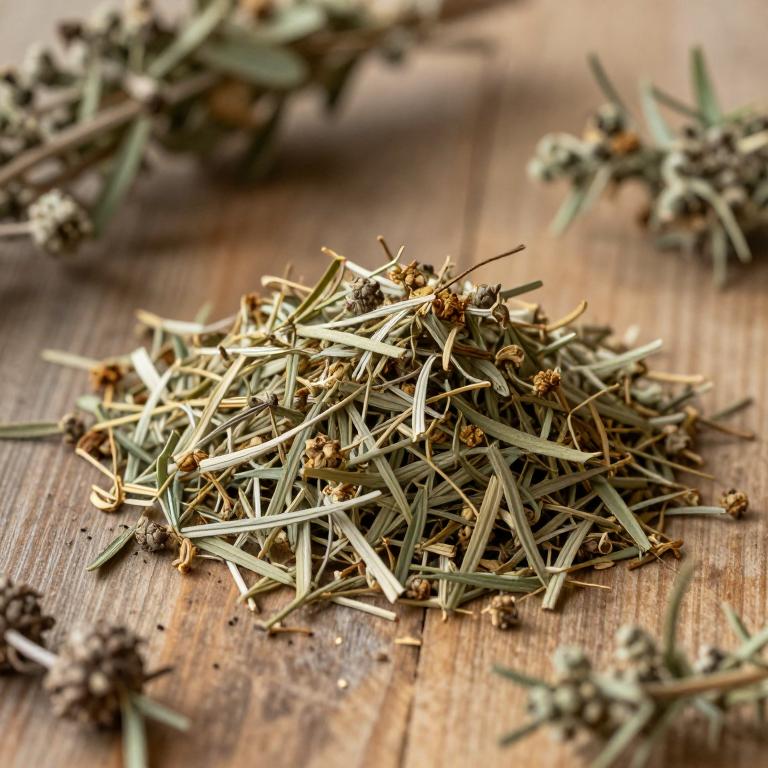
Reseda lutea, commonly known as wild mignonette, is a distinctive annual herb belonging to the Resedaceae family. This plant is easily recognized by its clusters of small, yellowish-green flowers that attract various pollinators. While the foliage is attractive, the plant is most notable for producing numerous tiny seeds that ensure its survival in diverse habitats. These seeds serve as a vital reproductive component, allowing the species to spread across disturbed soils and open fields. Understanding the lifecycle of this plant begins with the study of its resilient seed production.
- Synonyms
- Not available
- Common names
- Not available
- Family
- Resedaceae
- Distribution
- Africa
- Plant Parts
- Seed
Classification
Common Names
Reseda lutea is a versatile plant known by a diverse array of common names across different regions. It is frequently referred to as Cut Leaved Mignonette or Dyer's Rocket due to its historical uses. In certain circles, you may also encounter it called Dyer's Weed or simply Gandalla. Those speaking German might recognize the species as Gelbe Reseda. This variety of nomenclature highlights the plant's widespread recognition and cultural significance.
Sources: Catalogue of Life (COL)
Taxonomy
Reseda lutea is a distinctive member of the kingdom Plantae. Within this vast biological realm, the plant is classified under the class Equisetopsida. It further belongs to the order Brassicales, showcasing its evolutionary connections to other flowering species. This plant is specifically nested within the family Resedaceae, which helps botanists understand its unique characteristics. Finally, it is identified by its scientific genus, Reseda, which defines its core botanical identity.
| Rank | Classification |
|---|---|
| Kingdom | Plantae |
| Phylum | Streptophyta |
| Class | Equisetopsida |
| Subclass | Magnoliidae |
| Order | Brassicales |
| Family | Resedaceae |
| Genus | Reseda |
Sources: The World Checklist of Vascular Plants (WCVP)
Distribution
Geographic Regions
Reseda lutea maintains a broad geographical presence that stretches across Africa and the Macaronesia islands. Within the African continent, its distribution is particularly concentrated throughout the diverse landscapes of Northern Africa. This plant can be found flourishing in the specific territories of Algeria and Egypt. Its reach also extends through the coastal and inland regions of Libya and Morocco. Consequently, these varied locations highlight the wide-ranging environmental adaptability of the species.
Sources: The World Checklist of Vascular Plants (WCVP)
Identification
Morphology
Reseda lutea is a self-supporting herb that exhibits a diverse range of physical dimensions. This plant typically grows in various sizes, with heights ranging from a minimum of 0.15 m up to a maximum of 1.79 m. Depending on its specific environmental conditions, it often maintains a more standard stature starting around 0.48 m. Such flexibility in growth allows it to adapt effectively within its natural habitat. Ultimately, its structural form makes it a versatile member of the herbal landscape.
Sources: Global Inventory of Floras and Traits (GIFT)
Biological Activities
Compounds
Conditions
Reseda lutea demonstrates significant antibacterial properties through its methanol extracts. This specific Scottish plant species was identified as being effective against four distinct bacterial species. While other plants in the study showed varying levels of potency, the activity of Reseda lutea remains a notable finding. These results contribute to the broader screening of various plant families for their potential to combat pathogenic bacteria. The targeted effectiveness of this species highlights its importance in ethnopharmacological research.
Preparations
Parts used
Reseda lutea contains seeds that have been identified as a significant component in recent pharmacological screenings. Researchers utilized methanol extracts from these specific seeds to evaluate their potential against various pathogens. During the study, the plant demonstrated notable antibacterial activity against four distinct bacterial species. This finding highlights the medicinal potential inherent in the reproductive parts of the species. Such results contribute to a broader understanding of how Scottish plant seeds can be used in combatting bacterial threats.