Rehmannia
Rehmannia · Accepted scientific name
Scientific literature: Very Sparse (0 studies) · ★☆☆☆☆
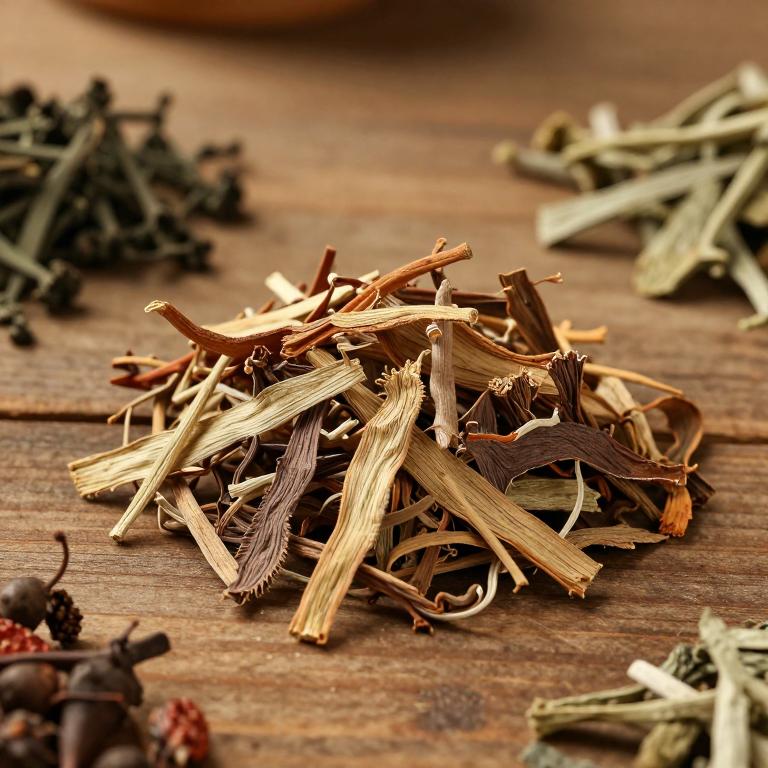
Rehmannia is a versatile plant that has long been valued for its unique medicinal and culinary properties. While much of its reputation stems from the root, the lush green leaf also plays a significant role in its overall profile. One traditional way to enhance its flavor is by braising Rehmannia with yellow wine, creating a rich and aromatic dish. This specific preparation method allows the subtle nuances of the plant to meld perfectly with the sweetness of the wine. Exploring these diverse uses reveals the profound depth and utility of this remarkable species.
- Synonyms
- Sparmannia
- Common names
- Not available
- Family
- Orobanchaceae
- Distribution
- Not available
- Plant Parts
- Leaf
Classification
Synonyms
Rehmannia is a botanical genus that has historically been subject to various taxonomic reclassifications. Within its complex history, the name Sparmannia has been recognized as a formal synonym for the plant. Similarly, researchers have also documented Zuccarinia as an alternative synonym used to describe members of this group. These shifting names reflect the evolving nature of plant identification and scientific scrutiny over time. Understanding these relationships is essential for anyone studying the precise lineage of the genus.
Sources: The World Checklist of Vascular Plants (WCVP)
Taxonomy
Rehmannia belongs to the vast kingdom Plantae, serving as a fascinating example of botanical diversity. Within this kingdom, it is classified under the class Equisetopsida and the order Lamiales. Moving deeper into its biological lineage, the plant is a proud member of the Orobanchaceae family. It is further distinguished by its specific placement within the genus Rehmannia. Together, these taxonomic layers provide a clear scientific framework for understanding this unique organism.
| Rank | Classification |
|---|---|
| Kingdom | Plantae |
| Phylum | Streptophyta |
| Class | Equisetopsida |
| Subclass | Magnoliidae |
| Order | Lamiales |
| Family | Orobanchaceae |
| Genus | Rehmannia |
Sources: The World Checklist of Vascular Plants (WCVP)
Distribution
Geographic Regions
Rehmannia is a plant primarily distributed throughout the Asia-Temperate region, with a heavy presence across various parts of China. Its geographical footprint extends through the North-Central and South-Central provinces of the country. Additionally, the species can be found growing in the Southeast regions of China. The plant's reach also encompasses the northern territories of Inner Mongolia and Manchuria. This widespread distribution highlights the plant's adaptability to diverse climates within the Asian landscape.
Sources: The World Checklist of Vascular Plants (WCVP)
Identification
Biological Activities
Compounds
Rehmannia glutinosa Libosch is a widely utilized medicinal plant officially listed in the Chinese Pharmacopoeia. Research has confirmed that the leaves of this plant serve as a significant source of the bioactive compound acteoside. To study its therapeutic potential, scientists developed a sensitive UPLC-TQ-MS method to track the pharmacokinetics of acteoside extracted from Rehmannia leaves. This specialized method allows for the precise measurement of the compound's concentration within the plasma of diabetic nephropathy rat models. Ultimately, understanding how acteoside behaves after administration from Rehmannia extracts provides valuable insight into its pharmacological properties.
Conditions
Preparations
Rehmannia is prepared by braising the medicinal herb with yellow wine to achieve its desired curative effects. This traditional processing method aims to produce an end-point product that is described as being dark as night and sweet as malt sugar. To ensure consistency, researchers are applying a multi-steps infrared macro-fingerprint method to monitor the transformation during braising. This scientific approach uses Fourier transform infrared spectroscopy and two-dimensional correlation spectroscopy to provide an impersonal benchmark for the recipe. By analyzing spectral changes, the study establishes a way to precisely control the braising process of Rehmannia with yellow wine.
Parts used
Rehmannia glutinosa Libosch is a significant medicinal plant widely utilized within the framework of the Chinese Pharmacopoeia. Recent pharmacological studies have focused specifically on the chemical properties found within the leaf of this species. Researchers have developed sensitive methods to extract and analyze the pharmacokinetic effects of acteoside from these Rehmannia leaves. By comparing total glycoside extracts, scientists can better understand how these leaf-derived components interact within diabetic nephropathy models. This specialized focus on the plant's foliage highlights the diverse therapeutic potential contained within its different structural parts.