Raulinoa echinata
Raulinoa echinata · Accepted scientific name
Scientific literature: Very Sparse (13 studies) · ★☆☆☆☆
Raulinoa echinata, scientifically known as Raulinoa echinata, is a remarkable medicinal plant revered in traditional healing practices. Renowned for its potent bioactive compounds, this species offers significant therapeutic potential. Exploring its pharmacological properties provides valuable insights into its ability to support wellness and combat various physiological ailments.
- Family
- Rutaceae
- Native range
- Southern America
- Parts used
- Leaf · Stem
- Common names
- Not available
- Scientific synonyms
- Not available
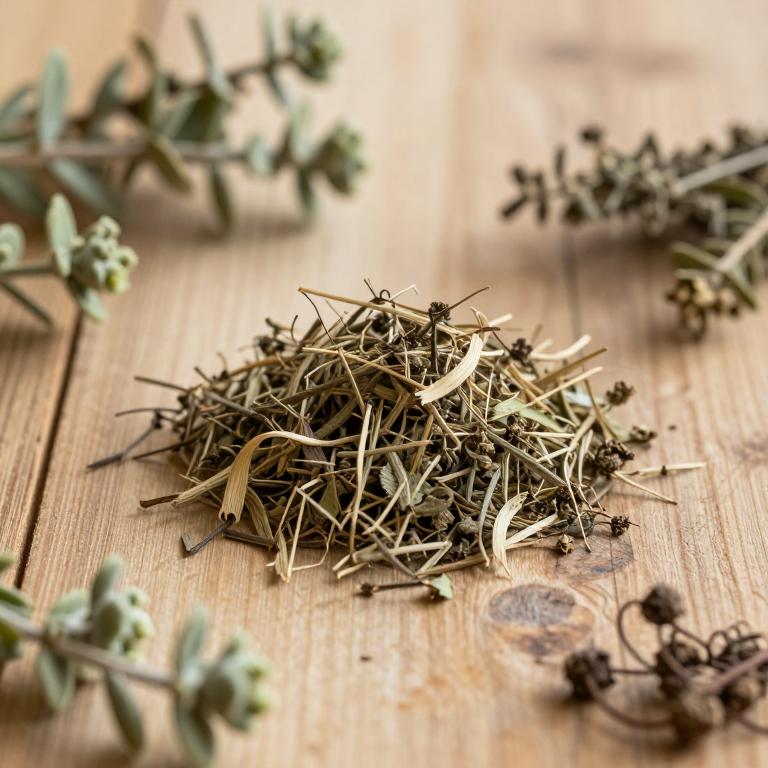
Names and Synonyms
Scientific Names
Accepted name
Raulinoa echinataSources: Wikidata
Taxonomical Classification
This plant belongs to the kingdom Plantae and the phylum Streptophyta, falling under the class Equisetopsida and subclass Magnoliidae. Within the order Sapindales, it is classified under the family Rutaceae. Specifically, its taxonomic identity is defined by the genus Raulinoa, which includes the species Raulinoa echinata.
| Rank | Classification |
|---|---|
| Kingdom | Plantae |
| Phylum | Streptophyta |
| Class | Equisetopsida |
| Subclass | Magnoliidae |
| Order | Sapindales |
| Family | Rutaceae |
| Genus | Raulinoa |
Sources: The World Checklist of Vascular Plants (WCVP)
Distribution
This plant, known scientifically as Raulinoa echinata, possesses a very specific and limited geographical range. Its occurrence is documented primarily within the South region of Brazil. Within this territory, the species thrives in specific environmental conditions unique to that part of the country. Because it is localized to such a particular area, its natural habitat is quite restricted. Consequently, understanding the ecological needs of this southern Brazilian region is vital for the plant's conservation.
| Region | Area |
|---|---|
| Brazil | Brazil South |
Sources: The World Checklist of Vascular Plants (WCVP)
Botanical Identification
Ecology
The ecology of Raulinoa echinata is characterized by its occurrence in lowland environments, specifically occupying an elevational range that extends from 0 to 100 m AMSL. This species is primarily found within specialized habitats such as Floresta Ciliar (riparian forests) or Galeria (gallery forests), where it thrives in the moist, sheltered conditions provided by vegetation bordering watercourses.
- Elevational range max:
- 100 m AMSL
- Elevational range min:
- 0 m AMSL
- Habitat :
- Floresta Ciliar ou Galeria
Life history
The life history of Raulinoa echinata is characterized by its status as a perennial species, allowing the plant to persist in its environment over many years through multiple growing seasons. As a long-lived woody plant, its life cycle involves an initial establishment phase followed by sustained vegetative growth and periodic reproductive cycles. This perennial nature enables the plant to develop a robust structural framework, which is essential for its survival and its ability to contribute to the ecosystem over an extended temporal scale.
- Lifecycle :
- perennial
Morphology
The morphology of Raulinoa echinata is characterized by a woody growth form, specifically manifesting as a shrub. It is an independent plant, functioning as a non-parasitic species that does not rely on a host for nutrients. In terms of its ecological habitat and growth habit, the plant is terrestrial, avoiding aquatic or semiaquatic environments, and it does not exhibit epiphytic behavior. It is a self-supporting organism rather than a climber, maintaining its structural integrity without the need for external support. The plant reaches a maximum height of approximately 3 meters, defining its stature within its natural environment.
- Aquatic :
- terrestrial
- Climber :
- self-supporting
- Epiphyte :
- terrestrial
- Growth form :
- shrub
- Parasite :
- independent
- Plant height max:
- 3 m
- Woodiness :
- woody
Sources: Global Inventory of Floras and Traits (GIFT)
Plant Parts
Raulinoa echinata has 2 reported plant parts identified across 2 scientific publications and several other databases that are studied for medicinal purposes. The most consistently reported plant part include leaf, stem.
| Plant part | Supporting sources | Consensus |
|---|---|---|
| Leaf | 1 supporting sources | ★☆☆☆☆ |
| Stem | 1 supporting sources | ★☆☆☆☆ |
Leaf
- Journal of natural products
Stem
- Journal of natural products
Chemicals
Raulinoa echinata has 9 reported phytochemicals identified across 2 scientific publications and several other databases. The most consistently reported chemicals include MELIANONE, Melianodiol, BETA-SITOSTEROL, Friedelin, Germacrene D.
| Chemical | Supporting sources | Consensus |
|---|---|---|
| MELIANONE | 2 supporting sources | ★☆☆☆☆ |
| Melianodiol | 2 supporting sources | ★☆☆☆☆ |
| BETA-SITOSTEROL | 1 supporting sources | ★☆☆☆☆ |
| Friedelin | 1 supporting sources | ★☆☆☆☆ |
| Germacrene D | 1 supporting sources | ★☆☆☆☆ |
| Isobauerenol | 1 supporting sources | ★☆☆☆☆ |
| Oplopanone | 1 supporting sources | ★☆☆☆☆ |
| isomultiflorenol | 1 supporting sources | ★☆☆☆☆ |
| squalene | 1 supporting sources | ★☆☆☆☆ |
MELIANONE
- Phytomedicine : international journal of phytotherapy and phytopharmacology
- Journal of natural products
Melianodiol
- Phytomedicine : international journal of phytotherapy and phytopharmacology
- Journal of natural products
BETA-SITOSTEROL
- Phytomedicine : international journal of phytotherapy and phytopharmacology
Friedelin
- Phytomedicine : international journal of phytotherapy and phytopharmacology
Germacrene D
- Phytomedicine : international journal of phytotherapy and phytopharmacology
Isobauerenol
- Phytomedicine : international journal of phytotherapy and phytopharmacology
Oplopanone
- Phytomedicine : international journal of phytotherapy and phytopharmacology
isomultiflorenol
- Phytomedicine : international journal of phytotherapy and phytopharmacology
squalene
- Phytomedicine : international journal of phytotherapy and phytopharmacology
Preparations
Raulinoa echinata has 2 reported preparations identified across 2 scientific publications and several other databases. The most consistently reported preparations include leaves, stems.
| Preparation | Supporting sources | Consensus |
|---|---|---|
| Leaves | 1 supporting sources | ★☆☆☆☆ |
| Stems | 1 supporting sources | ★☆☆☆☆ |
Leaves
- Journal of natural products
Stems
- Journal of natural products