buttercup
Ranunculus · Accepted scientific name
Scientific literature: Very Sparse (6 studies) · ★☆☆☆☆
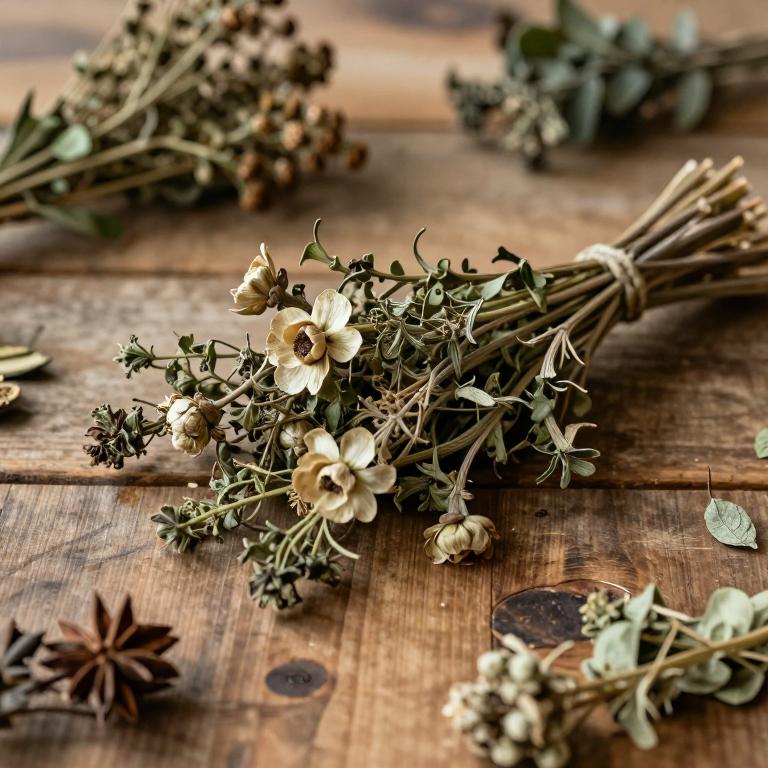
Buttercup, scientifically known as Ranunculus, is a diverse genus of flowering plants celebrated for their vibrant, waxy petals. While aesthetically striking in meadows, many species contain protoanemonin, a toxic compound. Historically used in traditional medicine, modern applications require extreme caution due to their potent skin-irritating and systemic effects.
Names and Synonyms
Common Names
- buttercup
- crowfoot
- Water Crowfoot
- Crowsfoots
- buttercups
- `awa Kanaloa genus
- buttercup genus
- crowfoot genus
- makou genus
Scientific Names
Accepted name
RanunculusSynonyms
- Hecatonia
- Ceratocephala
- Batrachium
- Scotanum
- Aphanostemma
- Flammula
- Rhopalopodium
- Thora
- Aspidophyllum
- Cyprianthe
- Coptidium
- Buschia
- Ionosmanthus
- Hericinia
- Gampsoceras
- Ficaria
- Casalea
- Cynomorbium
- Xerodora
- Xiphocoma
- Ranula
- Myosurus
- Glossophyllum
- Beckwithia
- Notophilus
- Kumlienia
- Krapfia
- Leuconoe
- Laccopetalum
Regional and Traditional Names
Spanish:
- Ranúnculo
- Ranunculo
- Ranúnculos
- Ranúnculo
German:
- Hahnenfuß
- Hahnenfuss
French:
- Renoncule
- Bouton d'or
- Bouton-d'or
- Renoncules
- Renoncule
Sources: Wikidata, Catalogue of Life
Taxonomical Classification
This plant belongs to the kingdom Plantae and the phylum Streptophyta, falling under the class Equisetopsida and subclass Magnoliidae. Within the order Ranunculales, it is classified under the family Ranunculaceae. Finally, it is identified by the genus Ranunculus.
| Rank | Classification |
|---|---|
| Kingdom | Plantae |
| Phylum | Streptophyta |
| Class | Equisetopsida |
| Subclass | Magnoliidae |
| Order | Ranunculales |
| Family | Ranunculaceae |
| Genus | Ranunculus |
Sources: The World Checklist of Vascular Plants (WCVP)
Distribution
This plant exhibits a distinct presence across several regions within Northern Europe. It can be found growing in the landscapes of Denmark and Finland. Its distribution also extends to the island of Iceland and the archipelago of Føroyaar. Additionally, the species is well-documented throughout Great Britain. These specific locations highlight the plant's preference for Northern European environments.
| Region | Area |
|---|---|
| Northern Europe | Denmark |
| Northern Europe | Finland |
| Northern Europe | Føroyar |
| Northern Europe | Great Britain |
| Northern Europe | Iceland |
| Northern Europe | Ireland |
| Northern Europe | Norway |
| Northern Europe | Svalbard |
| Northern Europe | Sweden |
| Middle Europe | Austria |
Sources: The World Checklist of Vascular Plants (WCVP)
Activities
Ranunculus has 6 reported activities identified across 0 scientific publications and several other databases. The most consistently reported activities include Analgesic, Antibacterial, Antifungal, Antimalarial, Antiparasitic.
| Activity | Supporting sources | Consensus |
|---|---|---|
| Analgesic | 1 supporting sources | ★☆☆☆☆ |
| Antibacterial | 1 supporting sources | ★☆☆☆☆ |
| Antifungal | 1 supporting sources | ★☆☆☆☆ |
| Antimalarial | 1 supporting sources | ★☆☆☆☆ |
| Antiparasitic | 1 supporting sources | ★☆☆☆☆ |
| Antiviral | 1 supporting sources | ★☆☆☆☆ |
Analgesic
- BMC complementary and alternative medicine
Antibacterial
- BMC complementary and alternative medicine
Antifungal
- BMC complementary and alternative medicine
Antimalarial
- Plants (Basel, Switzerland)
Antiparasitic
- BMC complementary and alternative medicine
Antiviral
- BMC complementary and alternative medicine