Rabelera holostea
Rabelera holostea · Accepted scientific name
Scientific literature: Very Sparse (0 studies) · ★☆☆☆☆
Rabelera holostea, commonly known as cow parsley, is a prominent biennial herb frequently found in hedgerows and woodland edges. This plant is easily identifiable by its delicate, umbrella-like white flower clusters that bloom during the spring months. As the growing season progresses, the plant transitions into a reproductive phase focused on producing numerous small seeds. These seeds serve as a vital component for the plant's dispersal and long-term survival within its natural habitat. Understanding the lifecycle of its seed is essential for anyone studying the ecology of this widespread species.
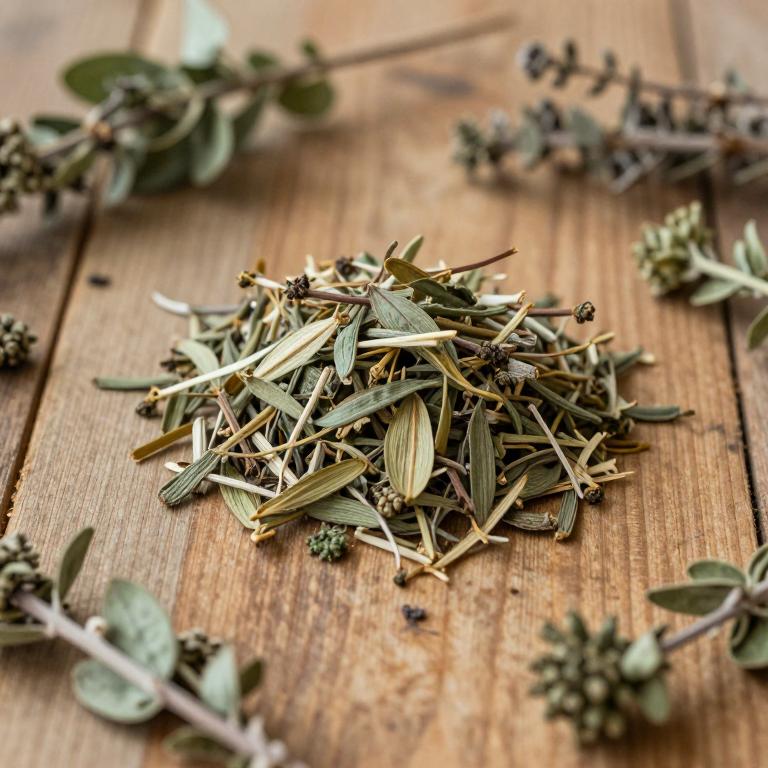
- Synonyms
- Stellaria Holostea · Stellaria Connata · 9 more
- Common names
- Not available
- Family
- Caryophyllaceae
- Distribution
- Northern America
- Plant Parts
- Seed
Classification
Common Names
Rabelera holostea is a versatile plant known by a diverse array of regional and linguistic identifiers. In some areas, it is commonly referred to as Addersmeat, while others may call it Centocchio garofanina. The plant also carries the name Cietā virza in certain cultural contexts. Moving through different languages, it is recognized as Echte Sternmiere in German-speaking regions. Finally, it is often known simply as Estrellada, reflecting the many ways this single species is perceived worldwide.
Sources: Catalogue of Life (COL)
Synonyms
Rabelera holostea is a plant species that has been categorized under several different botanical names throughout history. Scientific literature identifies several synonyms for this taxon, including the designations Alsine holostea and Alsine scabra. It has also been previously classified as Cerastium holosteum in various taxonomic studies. Furthermore, the plant is associated with the names Stellaria connata and Stellaria glauca within the biological record. Navigating these varying nomenclatures is essential for ensuring accurate identification in botanical research.
Sources: The World Checklist of Vascular Plants (WCVP)
Taxonomy
Rabelera holostea is a fascinating specimen that belongs to the vast kingdom Plantae. Within this biological realm, it is classified under the class Equisetopsida. This specific plant is further categorized into the order Caryophyllales, showcasing its unique evolutionary path. It resides within the family Caryophyllaceae, which helps botanists understand its structural characteristics. Finally, its identity is defined by its membership in the genus Rabelera.
| Rank | Classification |
|---|---|
| Kingdom | Plantae |
| Phylum | Streptophyta |
| Class | Equisetopsida |
| Subclass | Magnoliidae |
| Order | Caryophyllales |
| Family | Caryophyllaceae |
| Genus | Rabelera |
Sources: The World Checklist of Vascular Plants (WCVP)
Distribution
Geographic Regions
Rabelera holostea exhibits a diverse geographical range that spans across both African and Asian temperate regions. In Africa, this plant is primarily distributed throughout Northern Africa, specifically within the territories of Algeria, Morocco, and Tunisia. Its reach extends further into the Asian-Temperate zone, where it can be found nestled in the Caucasus mountains. Within this region, the species is particularly prevalent in the North Caucasus and the Transcaucasus areas. This wide distribution highlights the plant's ability to adapt to various ecological landscapes across two different continents.
Sources: The World Checklist of Vascular Plants (WCVP)
Identification
Morphology
Rabelera holostea is a distinct herb characterized by its self-supporting growth form. This plant typically reaches a maximum height of approximately 0.5 meters as it matures. Depending on environmental conditions, its stature can vary significantly throughout its life cycle. Individual specimens may stand as low as 0.15 meters, while others often maintain a more consistent height starting around 0.233 meters. These varying dimensions highlight the adaptable nature of this botanical species.
Sources: Global Inventory of Floras and Traits (GIFT)
Biological Activities
Compounds
Conditions
Rabelera holostea demonstrates antibacterial properties when its methanol extracts are tested against various pathogens. Specifically, this plant species was found to be active against exactly one bacterial species during the screening process. While other plants in the study showed broader effectiveness, this particular species targets a single microbial target. This specific inhibitory relationship was identified among a group of twenty-one Scottish plant species. The study confirms that its medicinal potential includes the ability to treat one specific type of bacteria.
Preparations
Parts used
Rabelera holostea is a botanical species that possesses seeds capable of being screened for significant medicinal properties. In recent pharmacological studies, these seeds were extracted using various solvents to test their efficacy against diverse pathogens. While several species demonstrated robust defenses, Rabelera holostea showed specific antibacterial activity against at least one bacterial species. This relationship between the plant's reproductive parts and its chemical defense mechanisms highlights its potential value in ethnopharmacology. Such research underscores the importance of investigating the seed components of Scottish flora for new antibacterial agents.