Quercus rugosa
Quercus rugosa · Accepted scientific name
Scientific literature: Very Sparse (0 studies) · ★☆☆☆☆
Quercus rugosa is a distinctive tree species known for its complex chemical profile and biological potential. Scientific investigations into this plant often focus on the chemical constituents found within its leaf structure. Research has specifically identified various flavonoids, such as Kaempferol 3-O-glucoside, Kaempferol 3-O-sambubioside, Kaempferol 3-O-sophoroside, and Luteolin 7-O-glucoside, within its tissues. These compounds are typically isolated through the use of an acetonic extract to ensure high yield and purity. Understanding these specific phytochemicals provides valuable insight into the medicinal and ecological properties of the species.
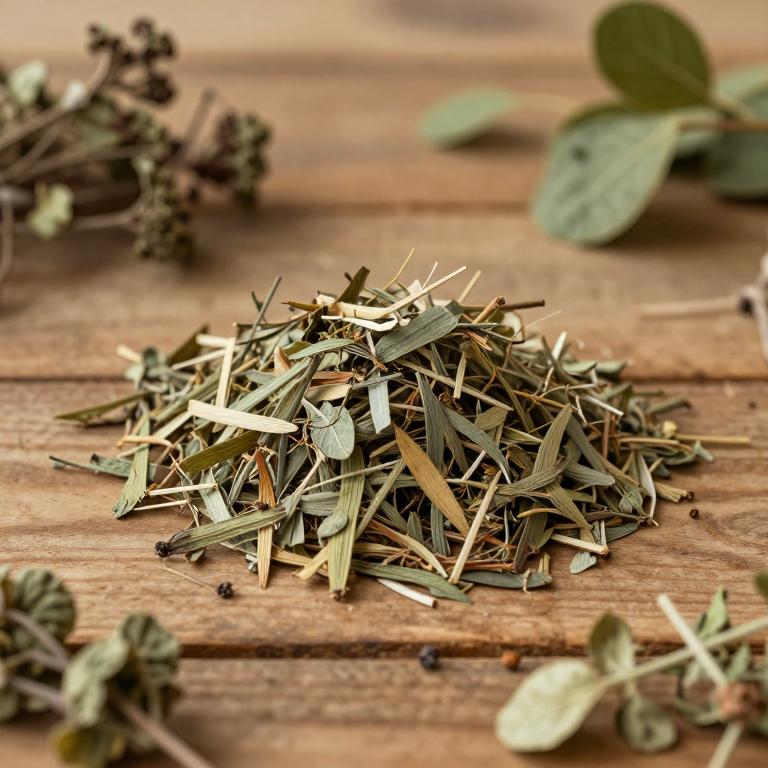
- Synonyms
- Quercus Decipiens · Quercus Diversicolor · 24 more
- Common names
- Not available
- Family
- Fagaceae
- Distribution
- Southern America
- Plant Parts
- Leaf
Classification
Common Names
Quercus rugosa is a distinctive species of tree widely recognized by its common name, the Netleaf oak. This name is derived from the intricate, vein-like patterns that decorate its characteristic foliage. Found primarily in various woodland habitats, the plant plays a vital role in its local ecosystem. Its unique leaf structure makes it easily identifiable to botanists and casual hikers alike. Understanding these identifying features helps enthusiasts connect more deeply with the natural world.
Sources: Catalogue of Life (COL)
Synonyms
Quercus rugosa is a complex species that has been subject to various taxonomic reclassifications over time. Within botanical literature, it is frequently identified by its synonym Quercus decipiens. The plant also shares a close nomenclatural history with Quercus diversicolor, including its specific varieties var. mearnsii and var. socorronis. Additionally, researchers have historically categorized it under the names Quercus diversicolor and Quercus dugesii. Understanding these shifting synonyms is essential for accurately identifying the species in diverse scientific contexts.
Sources: The World Checklist of Vascular Plants (WCVP)
Taxonomy
Quercus rugosa belongs to the kingdom Plantae, marking its fundamental place among the world's diverse vegetation. Within this vast kingdom, it is categorized under the class Equisetopsida. The species further resides in the order Fagales, which connects it to a specific lineage of flowering plants. It is a distinguished member of the genus Quercus, a group known for its sturdy and iconic characteristics. Finally, this plant is nested within the family Fagaceae, completing its complex biological classification.
| Rank | Classification |
|---|---|
| Kingdom | Plantae |
| Phylum | Streptophyta |
| Class | Equisetopsida |
| Subclass | Magnoliidae |
| Order | Fagales |
| Family | Fagaceae |
| Genus | Quercus |
Sources: The World Checklist of Vascular Plants (WCVP)
Distribution
Geographic Regions
Quercus rugosa exhibits a broad and diverse geographical presence across North America and much of Mexico. This resilient species can be found spanning various regions, including the central territories of Mexico. Its distribution extends further into the Gulf regions and the northeastern parts of the country. Additionally, the plant is well-established within the northwest and southeast sectors of the Mexican landscape. Such a wide-ranging habitat highlights the adaptability of this oak species throughout its natural range.
Sources: The World Checklist of Vascular Plants (WCVP)
Identification
Morphology
Quercus rugosa is a self-supporting tree that establishes a sturdy and permanent presence in its environment. This species typically reaches a maximum height of 20.12 meters as it matures. Its robust growth form allows it to thrive as a significant structural element within its native landscape.
Sources: Global Inventory of Floras and Traits (GIFT)
Biological Activities
Compounds
Quercus rugosa stands out as a chemically diverse species among Mexican oaks due to its rich profile of specialized metabolites. Research has identified that this specific oak contains several significant phenolic compounds, including luteolin 7-O-glucoside. Furthermore, the plant is a known source of various kaempferol derivatives, specifically kaempferol 3-O-glucoside, kaempferol 3-O-sambubioside, and kaempferol 3-O-sophoroside. In addition to these phenolics, the species also contains the terpenoid ursolic acid. Characterizing these unique chemical constituents is essential for understanding both the biological functions and the medicinal potential of the species.
Conditions
Preparations
Quercus rugosa is prepared as an acetonic extract to facilitate the study of its chemical constituents. This specific extraction method was applied to the leaves of the species to isolate various specialized metabolites. By utilizing an acetonic extract, researchers were able to separate compounds through thin-layer and column chromatography. This process allowed for the identification of nineteen distinct compounds, including several terpenoids and phenolics. Ultimately, the preparation of the Quercus rugosa extract served as the foundation for characterizing its diverse chemical profile.
Parts used
Quercus rugosa is a prominent Mexican oak species that serves as a vital subject for chemical research. During recent studies, scientists focused specifically on the leaf as the primary part for extracting specialized metabolites. By utilizing acetonic extracts, researchers were able to isolate various compounds through advanced chromatography techniques. This analysis revealed a diverse profile of terpenoids and phenolics contained within the foliage of the plant. Understanding the chemical makeup of these leaves provides essential insights into both the biological nature of the oak and its potential medicinal importance.