Quercus robur subsp. robur
Quercus robur subsp. robur · Accepted scientific name
Scientific literature: Very Sparse (3 studies) · ★☆☆☆☆
Quercus robur subsp. robur, commonly known as the pedunculate oak, possesses significant pharmacological potential through its nutrient-dense fruit. Research into the crude extracts of these fruits reveals a rich profile of bioactive compounds, including catechin, chlorogenic acid, gallic acid, and ferulic acid. These chemical constituents contribute to diverse biological activities, most notably antioxidant and cytotoxic effects. Furthermore, studies have demonstrated that these extracts exhibit important antinociceptive properties by addressing conditions such as pain, histamine release, and edema. Consequently, the medicinal value of this subspecies remains a compelling subject for pharmaceutical investigation.
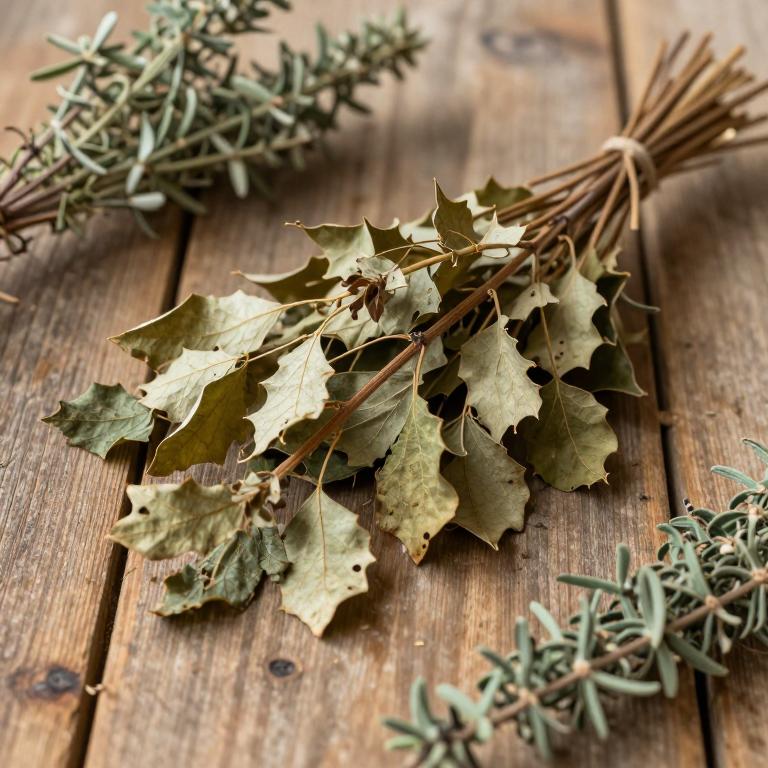
- Synonyms
- Quercus Haas · Quercus Turbinata · 275 more
- Common names
- Not available
- Family
- Fagaceae
- Distribution
- Asia-Temperate
- Plant Parts
- Fruit
Classification
Common Names
Quercus robur subsp. robur is a majestic tree species known by several distinct names depending on the linguistic and regional context. In English-speaking regions, it is most frequently referred to as the English Oak or the Pedunculate Oak. Moving into French territories, the species is commonly identified as the Chêne pédonculé commun. German speakers recognize this botanical specimen by its local name, Stiel-Eiche. Together, these diverse names highlight the widespread global presence and cultural significance of this iconic oak.
Sources: Catalogue of Life (COL)
Synonyms
Quercus robur subsp. robur is a complex botanical entity that is associated with several different scientific names. Within various taxonomic records, this subspecies is identified by synonyms such as Quercus abbreviata and Quercus acutiloba. It also shares nomenclatural ties with Quercus aesculus, reflecting the intricate nature of oak classification. Furthermore, the relationship extends to Quercus aesculus var. intermedia, illustrating how different varieties may be grouped under a single lineage. Finally, the name Quercus aestivalis serves as another recognized synonym within this specific botanical framework.
Sources: The World Checklist of Vascular Plants (WCVP)
Taxonomy
Quercus robur subsp. robur is a distinguished member of the kingdom Plantae. Within this vast biological realm, it is classified under the class Equisetopsida. The specimen belongs to the order Fagales, showcasing its specific evolutionary lineage. It further resides within the family Fagaceae, a group known for its significant ecological roles. Ultimately, this plant is identified by its genus, Quercus, which defines its fundamental botanical identity.
| Rank | Classification |
|---|---|
| Kingdom | Plantae |
| Phylum | Streptophyta |
| Class | Equisetopsida |
| Subclass | Magnoliidae |
| Order | Fagales |
| Family | Fagaceae |
| Genus | Quercus |
Sources: The World Checklist of Vascular Plants (WCVP)
Distribution
Geographic Regions
Quercus robur subsp. robur maintains a diverse and widespread geographic presence across several key regions. Its distribution spans much of Africa, extending specifically into the Cape Provinces and the Free State of Southern Africa. The subspecies is also found throughout the Macaronesia islands, including the Canary Islands and Madeira. Furthermore, its reach stretches across the Middle Atlantic Ocean to the remote shores of St. Helena. This wide-ranging habitat demonstrates the remarkable adaptability of the plant across various oceanic and continental environments.
Sources: The World Checklist of Vascular Plants (WCVP)
Identification
Biological Activities
Quercus robur subsp. robur demonstrates significant pharmacological potential through its diverse range of biological activities. Research indicates that this specific subspecies possesses notable antinociceptive properties, which may aid in pain management. Additionally, the plant exhibits strong antioxidant activity, contributing to its value in combating oxidative stress. The study of its chemical profile also reveals cytotoxic effects, suggesting its possible application in anticancer research. Together, these multifaceted attributes highlight the importance of exploring this plant for future medicinal development.
Compounds
Quercus robur subsp. robur is characterized by a rich profile of essential phenolic metabolites. Specifically, this plant species contains valuable compounds such as catechin and chlorogenic acid. Furthermore, the presence of gallic acid contributes significantly to its chemical composition. It also contains ferulic acid and p-coumaric acid, which are integral to its phytochemical makeup. These diverse constituents highlight the complex biological potential inherent in the Quercus genus.
Conditions
Quercus robur subsp. robur demonstrates various medicinal properties, including the ability to treat edema through significant inhibition. This plant also functions to treat histamine by providing measurable percentage inhibitions. Furthermore, it has shown the potential to treat human immunodeficiency virus-1 reverse transcriptase. Its therapeutic profile is also characterized by its capacity to treat pain in tested models. These diverse biological activities highlight the multifaceted medicinal utility of the species.
Preparations
Quercus robur subsp. robur is prepared as crude extracts for various pharmacological investigations. This specific plant subspecies is also prepared as fruits to facilitate medicinal screening. These preparation methods are essential for analyzing the plant's biological potential. The use of crude extracts allows for the assessment of various inhibitory and therapeutic activities. Similarly, utilizing the fruits provides a concentrated source for isolating significant chemical constituents.
Parts used
Quercus robur subsp. robur is a species known to produce a specific part consisting of fruit. While the provided research focuses on the medicinal properties of various Egyptian folk medicines, it highlights the importance of studying plant extracts for therapeutic potential. In similar studies, the fruits of certain species have demonstrated significant inhibitory activity against HIV reverse transcriptase. Such findings underscore how specific components found within plant fruits can serve as potent bioactive substances. Understanding these botanical relationships is essential for advancing modern pharmacological discoveries.