Quercus pubescens subsp. pubescens
Quercus pubescens subsp. pubescens · Accepted scientific name
Scientific literature: Very Sparse (2 studies) · ★☆☆☆☆
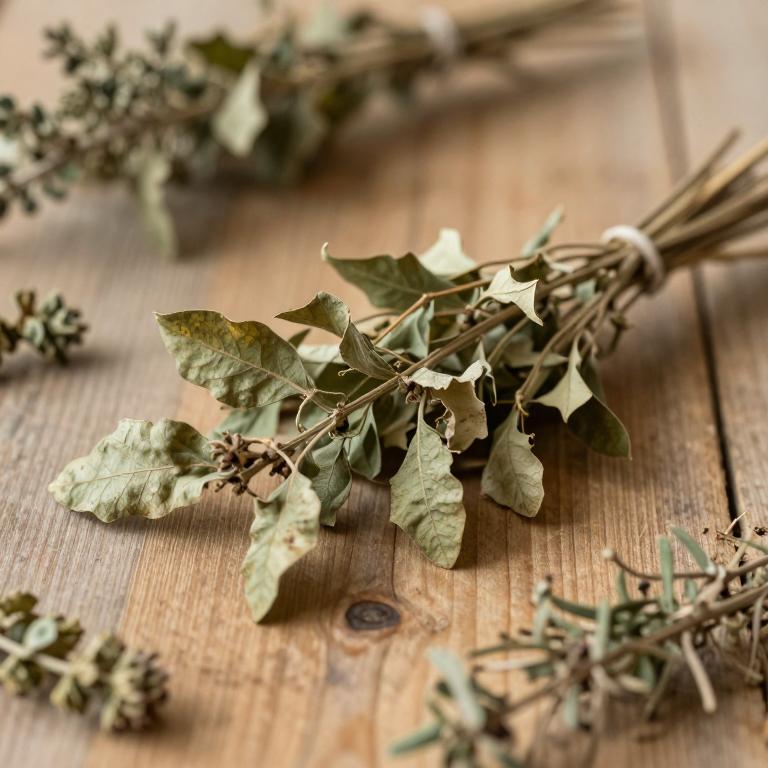
, scientifically known as Quercus pubescens subsp. pubescens, is a resilient subspecies of the downy oak. Renowned for its therapeutic potential, this plant has been utilized in traditional medicine for its astringent and anti-inflammatory properties. Its bark and leaves offer valuable bioactive compounds essential for various healing applications.
- Family
- Not available
- Native range
- Europe
- Parts used
- Leaf · Stem
- Common names
- Not available
- Scientific synonyms
- Not available
Names and Synonyms
Scientific Names
Accepted name
Quercus pubescens subsp. pubescensDistribution
This plant exhibits a specific distribution pattern across several regions of Middle Europe. It can be found growing within the borders of Austria and Germany. The species also extends its range into Belgium. Furthermore, its presence is documented across the territories of Czechia and Slovakia. Finally, the geographical reach of this subspecies includes the country of Hungary.
| Region | Area |
|---|---|
| Middle Europe | Austria |
| Middle Europe | Belgium |
| Middle Europe | Czechia-Slovakia |
| Middle Europe | Germany |
| Middle Europe | Hungary |
| Middle Europe | Poland |
| Middle Europe | Switzerland |
| Southwestern Europe | Corse |
| Southwestern Europe | France |
| Southwestern Europe | Sardegna |
Sources: The World Checklist of Vascular Plants (WCVP)
Plant Parts
Quercus pubescens subsp. pubescens has 2 reported plant parts identified across 2 scientific publications and several other databases that are studied for medicinal purposes. The most consistently reported plant part include leaf, stem.
| Plant part | Supporting sources | Consensus |
|---|---|---|
| Leaf | 1 supporting sources | ★☆☆☆☆ |
| Stem | 1 supporting sources | ★☆☆☆☆ |
Leaf
- Journal of ethnopharmacology
Stem
- Journal of ethnopharmacology