Quercus ithaburensis
Quercus ithaburensis · Accepted scientific name
Scientific literature: Very Sparse (0 studies) · ★☆☆☆☆
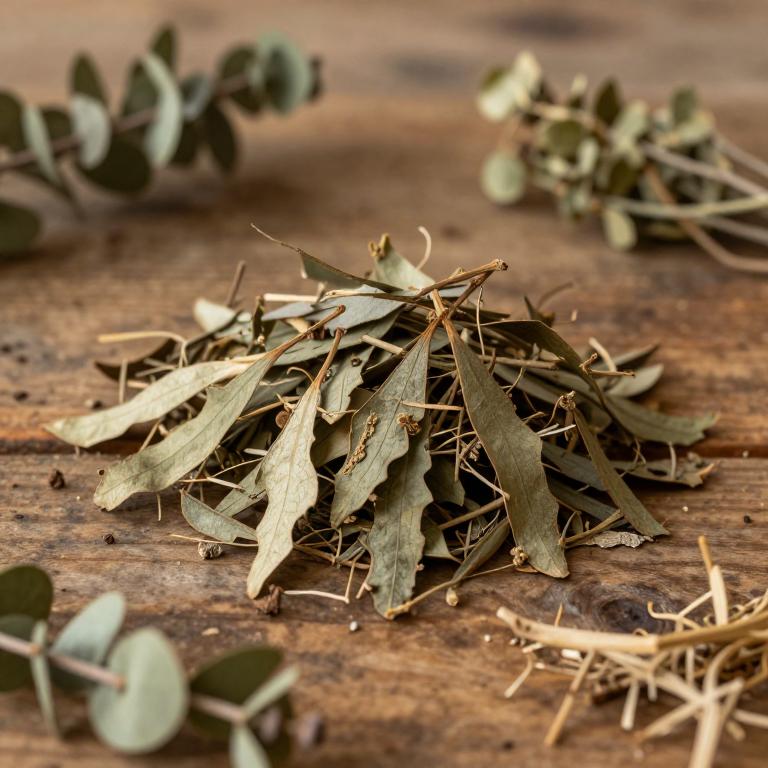
Quercus ithaburensis, commonly known as the Mount Tabor oak, is a resilient evergreen species native to the Mediterranean region. This robust tree is highly valued in botanical studies for its dense wood and distinctive foliage. Researchers often turn to this species to develop various medicinal and industrial preparations. Among these, specialized extracts are frequently utilized to harness the plant's unique chemical properties. Understanding the potential of these extracts provides valuable insights into the therapeutic applications of the oak.
- Synonyms
- Quercus Macrolepis Subsp. Ithaburensis · Quercus Aegilops Var. Ithaburensis · 1 more
- Common names
- Not available
- Family
- Fagaceae
- Distribution
- Asia-Tropical
- Plant Parts
- Not available
Classification
Common Names
Quercus ithaburensis is a distinctive tree species known by a variety of regional and descriptive names. It is frequently referred to as the Aegilops Oak or the Mount Tabor oak, highlighting its specific ecological associations. In different linguistic contexts, it is also called the Anadolu palamut meşesi or the Dąb tabor. French speakers identify the specimen as the Chêne du Mont Tabor, further illustrating its diverse nomenclature. These various common names reflect the plant's widespread recognition across different cultures and landscapes.
Sources: Catalogue of Life (COL)
Synonyms
Quercus ithaburensis is a botanical subject characterized by a complex web of taxonomic synonyms. Within scientific literature, this species is frequently identified as Quercus aegilops subsp. ithaburensis. It is also recognized under the varietal designation of Quercus aegilops var. ithaburensis. Furthermore, the plant has been classified as Quercus macrolepis subsp. ithaburensis in various studies. Navigating these overlapping names is essential for accurate identification and classification in the field.
Sources: The World Checklist of Vascular Plants (WCVP)
Taxonomy
Quercus ithaburensis belongs to the expansive kingdom Plantae, representing a vital part of the natural world. Within this vast kingdom, the species is classified under the class Equisetopsida. It further resides in the order Fagales, a group that links it to many other significant woody plants. As a member of the family Fagaceae, it shares close evolutionary ties with various oaks and beeches. Ultimately, this plant is defined by its placement within the prominent genus Quercus.
| Rank | Classification |
|---|---|
| Kingdom | Plantae |
| Phylum | Streptophyta |
| Class | Equisetopsida |
| Subclass | Magnoliidae |
| Order | Fagales |
| Family | Fagaceae |
| Genus | Quercus |
Sources: The World Checklist of Vascular Plants (WCVP)
Distribution
Geographic Regions
Quercus ithaburensis is a resilient species with a broad geographic footprint spanning across the Asia-Temperate region. Its presence is particularly notable throughout Western Asia, where it thrives in the diverse landscapes of Türkiye, Lebanon, Syria, and Palestine. The plant also extends its reach into the East Aegean Islands, demonstrating a strong adaptability to Mediterranean environments. Beyond Asia, its distribution stretches into Europe, specifically within the Southeastern European territory of Albania. This wide-ranging habitat highlights the botanical significance of the species across multiple continental borders.
Sources: The World Checklist of Vascular Plants (WCVP)
Identification
Morphology
Quercus ithaburensis is characterized by its distinct tree growth form. As a robust species, it remains entirely self-supporting throughout its natural lifecycle.
Sources: Global Inventory of Floras and Traits (GIFT)
Biological Activities
Compounds
Conditions
Preparations
Quercus ithaburensis is prepared as extracts to investigate its potential effects on liver cell toxicity. In the study, these extracts were applied to both HepG2 hepatocyte monocultures and co-cultures with THP1 monocytes. The researchers tested various concentrations of the Quercus ithaburensis extracts to observe their impact on cell viability. While other plants in the study showed toxic effects, the extracts of this specific species were evaluated alongside different cell models. This preparation allows for a detailed assessment of how such botanical substances interact with human liver cell systems.