Quercus infectoria subsp. veneris
Quercus infectoria subsp. veneris · Accepted scientific name
Scientific literature: Very Sparse (0 studies) · ★☆☆☆☆
Quercus infectoria subsp. veneris is a specialized botanical subspecies renowned for its high concentration of medicinal tannins. These potent bioactive compounds provide significant astringent properties that are highly valued in traditional herbalism. One of the primary therapeutic applications for this plant is the effective management of gastrointestinal distress. Specifically, it is frequently utilized as a natural remedy to help alleviate the symptoms of diarrhea. By tightening mucosal tissues, it offers a reliable botanical approach to restoring digestive stability.
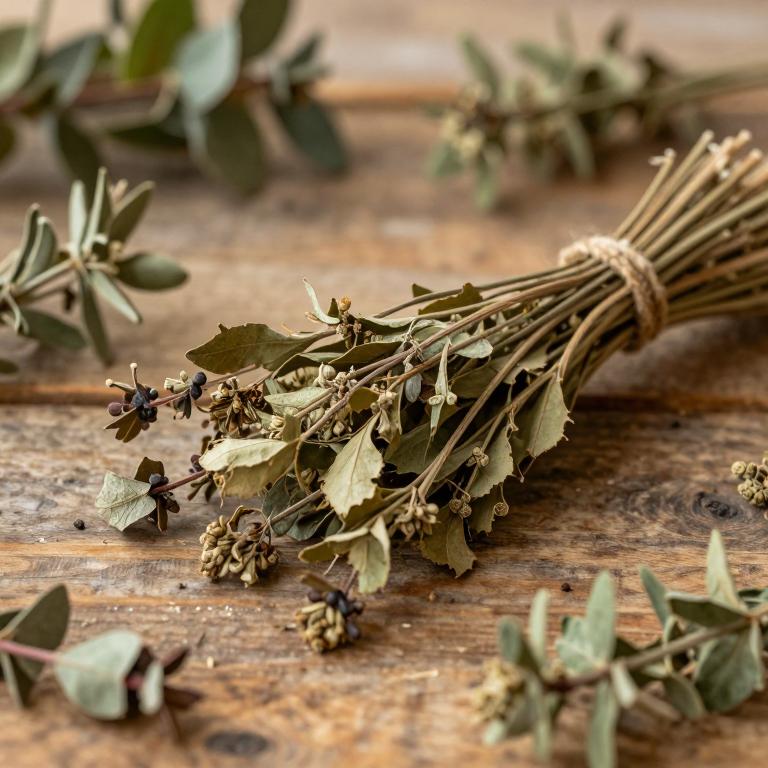
- Synonyms
- Quercus Boissieri · Quercus Microphylla · 40 more
- Common names
- Not available
- Family
- Fagaceae
- Distribution
- Not available
- Plant Parts
- Not available
Classification
Synonyms
Quercus infectoria subsp. veneris is a complex botanical taxon that is frequently associated with several different scientific names. Due to various taxonomic classifications, it is recognized by synonyms such as Quercus amblyoprion and Quercus araxina. Researchers also identify this subspecies through its connection to Quercus boissieri. This relationship extends further to include specific variations like Quercus boissieri subsp. latifolia. Finally, the name Quercus boissieri subsp. petiolaris is also documented as a synonym within this botanical lineage.
Sources: The World Checklist of Vascular Plants (WCVP)
Taxonomy
Quercus infectoria subsp. veneris is a distinct botanical specimen belonging to the kingdom Plantae. Within this vast biological realm, it is classified under the class Equisetopsida. Its taxonomic journey continues through the order Fagales, which defines its evolutionary lineage. Furthermore, this plant is a member of the Fagaceae family, showcasing its structural affinities. Ultimately, it resides within the prominent genus Quercus, connecting it to a diverse group of well-known oaks.
| Rank | Classification |
|---|---|
| Kingdom | Plantae |
| Phylum | Streptophyta |
| Class | Equisetopsida |
| Subclass | Magnoliidae |
| Order | Fagales |
| Family | Fagaceae |
| Genus | Quercus |
Sources: The World Checklist of Vascular Plants (WCVP)
Distribution
Geographic Regions
Quercus infectoria subsp. veneris is a distinctive botanical specimen primarily found throughout the Asia-Temperate region. Its natural range extends across diverse landscapes, including the Caucasus and Transcaucasus areas. This subspecies is also well-established within Western Asia, specifically spanning territories such as Iran and Iraq. Furthermore, its distribution reaches into the Mediterranean reaches, encompassing Cyprus and the East Aegean Islands. This widespread presence highlights the plant's ability to thrive in varied ecological settings across the Middle East.
Sources: The World Checklist of Vascular Plants (WCVP)
Identification
Biological Activities
Compounds
Conditions
Quercus infectoria subsp. veneris is recognized as a medicinal plant utilized by traditional healers for its therapeutic properties. Within the context of ethnopharmacological studies in the West Bank, various plants are documented for their ability to treat diarrhea. Although the study highlights several high-fidelity species, the broader traditional knowledge base includes diverse flora used to manage gastrointestinal distress. This specific plant contributes to a rich heritage of Palestinian herbal remedies designed to alleviate diarrheal symptoms. Such traditional applications provide a critical foundation for future pharmacological research into effective antidiarrheal treatments.