Quercus incana
Quercus incana · Accepted scientific name
Scientific literature: Very Sparse (0 studies) · ★☆☆☆☆
Quercus incana, commonly known as the Slenderleaf Oak, is a distinctive deciduous tree species native to specific woodland habitats. This plant has become a subject of botanical interest due to its unique chemical profile and potential biological activities. Researchers have focused their investigations on the specialized ethyl acetate fraction derived from its various components. This specific preparation serves as a concentrated source of bioactive compounds for further pharmacological study. Understanding the properties of this fraction may provide valuable insights into the therapeutic potential of the species.
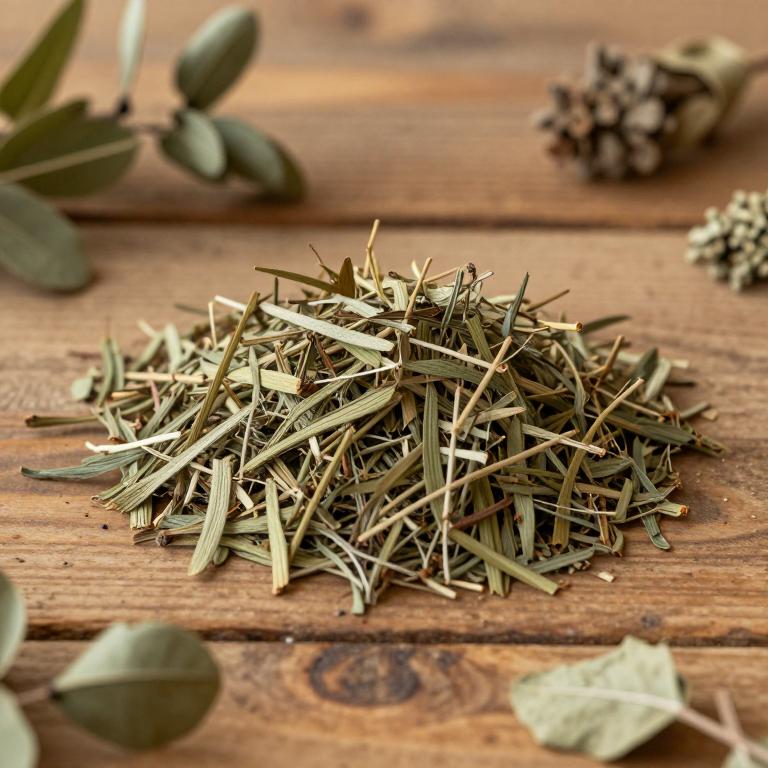
- Synonyms
- Dryopsila Cinerea · Dryopsila Oligodes · 11 more
- Common names
- Not available
- Family
- Fagaceae
- Distribution
- Not available
- Plant Parts
- Not available
Classification
Common Names
Quercus incana is a distinctive species widely recognized by its common name, the Bluejack Oak. This tree is frequently referred to in English as the Bluejack oak, a name that highlights its unique characteristics. Understanding these naming conventions is essential for botanists and enthusiasts identifying the plant in the wild. Whether labeled simply or with its English designation, the Bluejack Oak remains a significant part of its native ecosystem. Recognizing these various identifiers ensures clear communication regarding this specific oak variety.
Sources: Catalogue of Life (COL)
Synonyms
Quercus incana is a botanical species that is recognized by several different scientific names within various taxonomic classifications. It is frequently identified by the synonym Quercus cinerea, which remains a common reference in many plant studies. The species also shares nomenclatural ties with the names Dryopsila cinerea, Dryopsila oligodes, and Dryopsila verrucosa. Furthermore, certain variations of the plant are categorized under the specific synonym Quercus cinerea f. dentatolobata. Understanding these diverse synonymies is essential for ensuring accuracy when documenting the plant's complex botanical history.
Sources: The World Checklist of Vascular Plants (WCVP)
Taxonomy
Quercus incana is a fascinating botanical specimen belonging to the kingdom Plantae. Within this vast realm, the plant is specifically categorized under the class Equisetopsida. It further resides in the order Fagales, which highlights its evolutionary connections to other woody species. As a member of the family Fagaceae, it shares structural similarities with many well-known forest trees. Ultimately, this species is defined by its classification within the genus Quercus.
| Rank | Classification |
|---|---|
| Kingdom | Plantae |
| Phylum | Streptophyta |
| Class | Equisetopsida |
| Subclass | Magnoliidae |
| Order | Fagales |
| Family | Fagaceae |
| Genus | Quercus |
Sources: The World Checklist of Vascular Plants (WCVP)
Distribution
Geographic Regions
Quercus incana is widely distributed across various regions of Northern America. Its presence is notable throughout the North-Central United States, stretching into areas like Oklahoma. The species also extends into the South-Central United States, with established populations in Texas. Moving eastward, it can be found within the Southeastern United States, spanning across Alabama and Arkansas. Finally, its range continues through the coastal landscapes of Florida.
Sources: The World Checklist of Vascular Plants (WCVP)
Identification
Morphology
Quercus incana is a self-supporting tree characterized by its sturdy and upright growth form. This species typically reaches a maximum height of 12.19 meters as it matures. Its structural integrity allows it to stand firmly within its natural ecosystem.
Sources: Global Inventory of Floras and Traits (GIFT)
Biological Activities
Compounds
Conditions
Quercus incana contains two newly isolated secondary metabolites, compounds 1 and 2, that exhibit significant therapeutic potential. These specific compounds demonstrate anxiolytic-like effects in mouse models, specifically through increased activity in the elevated plus maze and light-dark box tests. The anxiolytic action is linked to the benzodiazepine binding site of GABA-A receptors. Additionally, both metabolites provide pronounced antidepressant-like effects in forced swimming and tail suspension tests. At a dose of 30 mg/kg, this antidepressant-like activity is comparable to the reference drug imipramine.
Preparations
Quercus incana was prepared as an ethyl acetate fraction to facilitate the isolation of specific secondary metabolites. This particular fraction yielded two newly identified compounds characterized through advanced spectroscopic techniques. The structural elucidation of these metabolites revealed them to be 2-(4-hydroxybutan-2-yl)-5-methoxyphenol and 4-hydroxy-3-(hydroxymethyl) pentanoic acid. Researchers utilized this prepared fraction to investigate the antidepressant- and anxiolytic-like potential of the extracted substances. Through this processing method, the biological efficacy of the components derived from the plant was successfully evaluated.