Quercus gomeziana
Quercus gomeziana · Accepted scientific name
Scientific literature: Very Sparse (14 studies) · ★☆☆☆☆
Quercus gomeziaana, scientifically known as Quercus gomeziaana, is a distinctive medicinal plant valued for its diverse therapeutic properties. Native to specific tropical regions, this species is utilized in traditional medicine to treat various ailments. Its unique phytochemical profile offers significant potential for developing new pharmacological treatments and natural remedies.
- Family
- Fagaceae
- Native range
- Asia-Temperate
- Parts used
- Not available
- Common names
- Not available
- Scientific synonyms
- Cyclobalanopsis Velutina
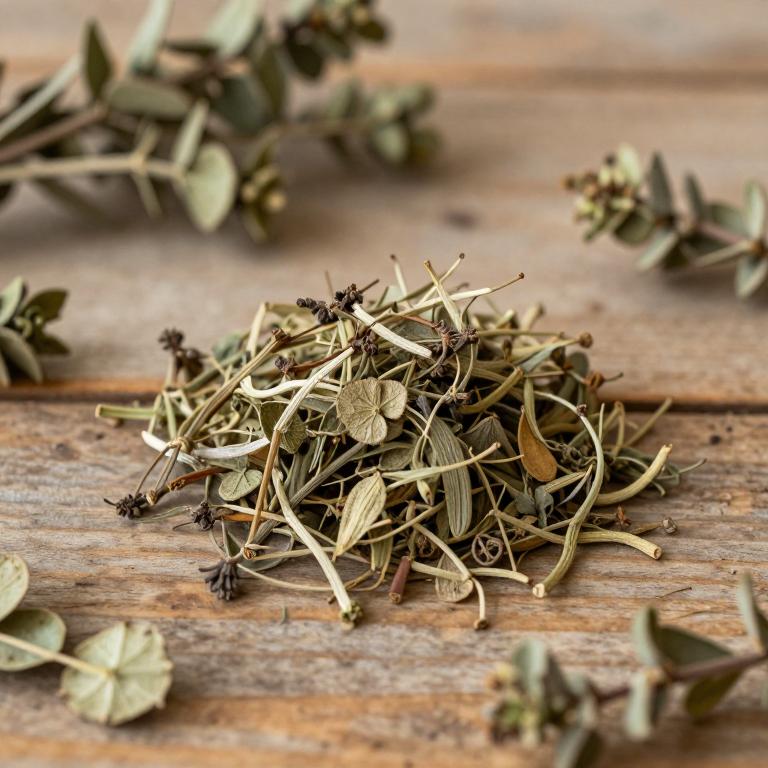
Names and Synonyms
Scientific Names
Accepted name
Quercus gomezianaSynonyms
- Cyclobalanopsis velutina
Sources: Wikidata
Taxonomical Classification
This plant belongs to the kingdom Plantae and the phylum Streptophyta, falling under the class Equisetopsida and subclass Magnoliidae. Within the order Fagales, it is classified under the family Fagaceae and is identified by the genus Quercus.
| Rank | Classification |
|---|---|
| Kingdom | Plantae |
| Phylum | Streptophyta |
| Class | Equisetopsida |
| Subclass | Magnoliidae |
| Order | Fagales |
| Family | Fagaceae |
| Genus | Quercus |
Sources: The World Checklist of Vascular Plants (WCVP)
Distribution
This plant exhibits a diverse geographical distribution across several key regions of Asia. In China, its presence is specifically noted within the South-Central territories. Moving toward the Indian Subcontinent, it can be found growing in Bangladesh. The species also extends into the Indo-China region, where it inhabits the landscapes of Laos and Myanmar. Finally, its range continues through Thailand, completing its spread across these varied environments.
| Region | Area |
|---|---|
| China | China South-Central |
| Indian Subcontinent | Bangladesh |
| Indo-China | Laos |
| Indo-China | Myanmar |
| Indo-China | Thailand |
Sources: The World Checklist of Vascular Plants (WCVP)
Botanical Identification
Life history
The life history of Quercus gomeziana is characterized by its classification as a phanerophyte, a growth form where the perennating buds are located high above the ground on woody stems. Within this category, it exhibits specific functional traits that define its survival strategy, specifically acting as a phanerophyte in its primary structural development and maintaining characteristics consistent with a phanerophyte life form to endure seasonal environmental shifts. This perennial strategy allows the plant to establish a robust woody architecture, ensuring that its regenerative tissues remain protected from surface-level disturbances and herbivory, thereby supporting its long-term persistence in its natural habitat.
- Life form :
- phanerophyte
Morphology
The morphology of Quercus gomeziana is characterized by a woody growth habit, reflecting its structural development as a perennial plant. Unlike climbing species, it does not exhibit climbing traits; it is neither an obligatory, facultative, nor self-supporting climber. Furthermore, the plant does not function as a parasite, maintaining an independent biological existence rather than an obligatory, facultative, or dependent parasitic relationship. In terms of its ecological positioning, it is a terrestrial species, lacking the characteristics of an obligatory, facultative, or epiphytic growth form.
- Climber :
- self-supporting
- Epiphyte :
- terrestrial
- Parasite :
- independent
- Woodiness :
- woody
Sources: Global Inventory of Floras and Traits (GIFT)
Chemicals
Quercus gomeziana has 5 reported phytochemicals identified across 0 scientific publications and several other databases. The most consistently reported chemicals include Flavonoids, Glycosides, Saponins, Steroids, Tannins.
| Chemical | Supporting sources | Consensus |
|---|---|---|
| Flavonoids | 1 supporting sources | ★☆☆☆☆ |
| Glycosides | 1 supporting sources | ★☆☆☆☆ |
| Saponins | 1 supporting sources | ★☆☆☆☆ |
| Steroids | 1 supporting sources | ★☆☆☆☆ |
| Tannins | 1 supporting sources | ★☆☆☆☆ |
Flavonoids
- Saudi journal of biological sciences
Glycosides
- Saudi journal of biological sciences
Saponins
- Saudi journal of biological sciences
Steroids
- Saudi journal of biological sciences
Tannins
- Saudi journal of biological sciences
Activities
Quercus gomeziana has 6 reported activities identified across 0 scientific publications and several other databases. The most consistently reported activities include Analgesic, Antibacterial, Antioxidant, Antipyretic, Cytotoxic.
| Activity | Supporting sources | Consensus |
|---|---|---|
| Analgesic | 1 supporting sources | ★☆☆☆☆ |
| Antibacterial | 1 supporting sources | ★☆☆☆☆ |
| Antioxidant | 1 supporting sources | ★☆☆☆☆ |
| Antipyretic | 1 supporting sources | ★☆☆☆☆ |
| Cytotoxic | 1 supporting sources | ★☆☆☆☆ |
| Thrombolytic | 1 supporting sources | ★☆☆☆☆ |
Analgesic
- Saudi journal of biological sciences
Antibacterial
- Saudi journal of biological sciences
Antioxidant
- Saudi journal of biological sciences
Antipyretic
- Saudi journal of biological sciences
Cytotoxic
- Saudi journal of biological sciences
Thrombolytic
- Saudi journal of biological sciences
Conditions
Quercus gomeziana has 3 reported investigations on conditions identified across 0 scientific publications and several other databases. The most consistently reported conditions include inflammation, pain, pyrexia.
| Condition | Supporting sources | Consensus |
|---|---|---|
| Inflammation | 1 supporting sources | ★☆☆☆☆ |
| Pain | 1 supporting sources | ★☆☆☆☆ |
| Pyrexia | 1 supporting sources | ★☆☆☆☆ |
Inflammation
- Saudi journal of biological sciences
Pain
- Saudi journal of biological sciences
Pyrexia
- Saudi journal of biological sciences