Pyrola
Pyrola · Accepted scientific name
Scientific literature: Very Sparse (0 studies) · ★☆☆☆☆
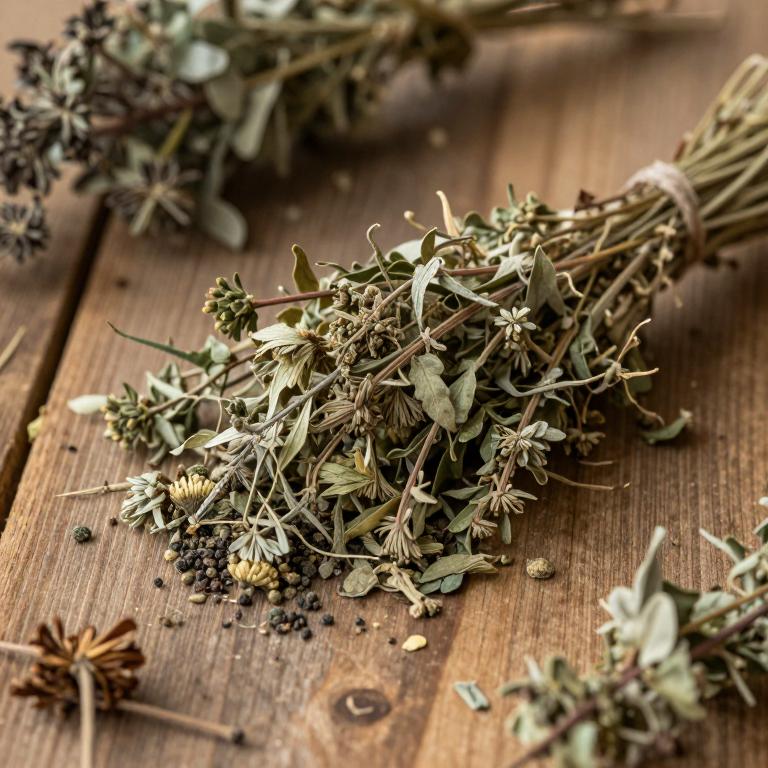
Pyrola is a fascinating genus of flowering plants often found thriving in shaded, woodland environments. Beyond its aesthetic appeal, this plant has garnered significant scientific interest due to its unique chemical composition. Research indicates that it possesses notable antineoplastic properties, suggesting potential utility in cancer research. Additionally, the plant is recognized for its strong antioxidant capabilities, which help combat oxidative stress in biological systems. Understanding these therapeutic characteristics highlights the profound medicinal importance of the Pyrola genus.
- Synonyms
- Actinocyclus · Thelaia · 3 more
- Common names
- Not available
- Family
- Ericaceae
- Distribution
- Asia-Tropical
- Plant Parts
- Not available
Classification
Common Names
Pyrola is a plant that is known by many different names across various linguistic traditions. In certain regions, it is commonly referred to as Gruszyczka or Krušwička. Moving through different dialects, the plant is also identified as Kriaušlapė. Some may simply call it Pirole, while others use the plural form, Piroles. These diverse common names highlight the widespread recognition of this unique species.
Sources: Catalogue of Life (COL)
Synonyms
Pyrola is a fascinating genus that has undergone significant taxonomic shifts throughout botanical history. Over time, various researchers have applied different names to the plant, leading to a diverse collection of synonyms. For instance, the genus has been identified under names such as Actinocyclus and Amelia in previous literature. Other historical classifications include Braxilia and Erxlebenia, reflecting the evolving nature of plant science. Additionally, the name Thelaia has also been used as a synonym, illustrating the complex legacy of its botanical identity.
Sources: The World Checklist of Vascular Plants (WCVP)
Taxonomy
Pyrola is a fascinating member of the kingdom Plantae that showcases the intricate beauty of the natural world. Within this vast realm, the plant belongs to the class Equisetopsida and the order Ericales. It is further classified under the family Ericaceae, which highlights its evolutionary connections to other heathland species. As a representative of the genus Pyrola, it possesses unique characteristics that distinguish it from its botanical relatives. Understanding these taxonomic relationships provides essential insight into the biological identity of this distinct plant.
| Rank | Classification |
|---|---|
| Kingdom | Plantae |
| Phylum | Streptophyta |
| Class | Equisetopsida |
| Subclass | Magnoliidae |
| Order | Ericales |
| Family | Ericaceae |
| Genus | Pyrola |
Sources: The World Checklist of Vascular Plants (WCVP)
Distribution
Geographic Regions
Pyrola exhibits a widespread distribution throughout the Asia-Temperate region, spanning diverse and rugged terrains. Its presence is firmly established across the Caucasus and Transcaucasus, where it thrives in unique mountain ecosystems. The genus also extends deeply into Central Asia, making notable appearances within the borders of Kazakhstan. Furthermore, its range continues through the mountainous landscapes of Kirgizstan and Tadzhikistan. This broad geographical footprint highlights the plant's ability to adapt to various environments across the Asian continent.
Sources: The World Checklist of Vascular Plants (WCVP)
Identification
Biological Activities
Compounds
Pyrola species within the Pyrolaceae family possess unique chemical properties that contribute to their medicinal potential. While many plants in this family contain tannins and arbutin glycoside, round-leaf Pyrola stands out due to its specific anti-inflammatory capabilities. This therapeutic effect is likely driven by its high concentration of beneficial flavonoids. These compounds help weaken the development of experimental inflammation more effectively than its relatives. Consequently, the presence of these flavonoids makes Pyrola a significant subject in chemico-pharmacological studies.
Conditions
Pyrola serves as a medicinal agent known for its ability to activate blood in traditional practices. This plant also demonstrates significant pharmacological activities, including antimicrobial and anti-inflammatory properties. Furthermore, it functions as an effective antioxidant within various biological systems. The genus also exhibits antineoplastic effects that contribute to its diverse therapeutic profile. These combined relationships highlight the complex medicinal value of Pyrola in traditional Chinese medicine.