Pycnocycla spinosa
Pycnocycla spinosa · Accepted scientific name
Scientific literature: Very Sparse (3 studies) · ★☆☆☆☆
Pycnocycla spinosa is a distinctive botanical species recognized for its diverse range of therapeutic potential. Scientific investigations have focused on the essential oils extracted from its hydro-distilled aerial parts. These preparations have demonstrated significant biological efficacy, particularly through their notable antimicrobial properties. Furthermore, the plant exhibits potent antioxidant capabilities that help combat oxidative stress. Research also highlights its valuable antispasmodic activities, making it a subject of interest in pharmacological studies.
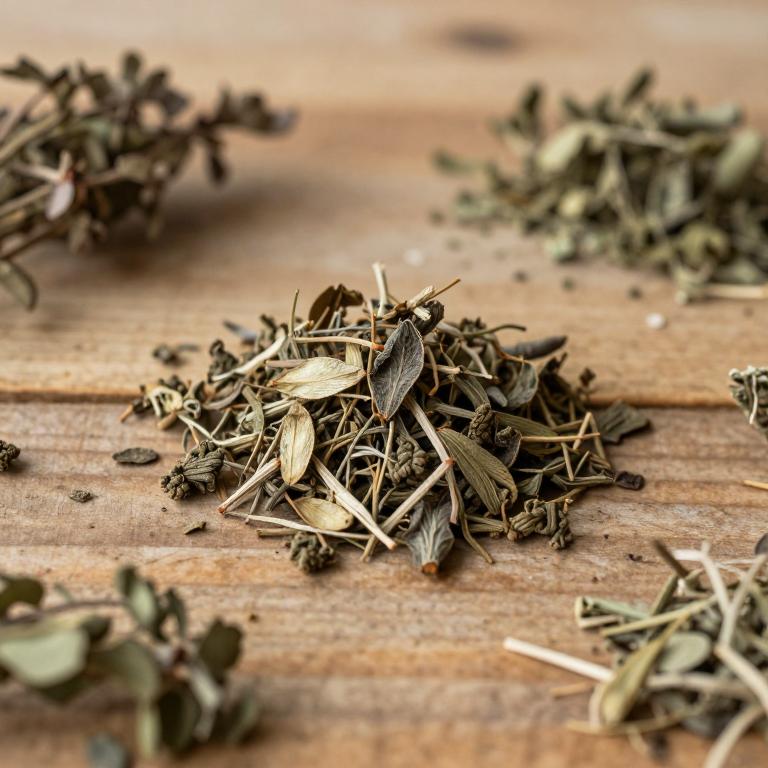
- Synonyms
- Chamaesciadium Spinosum
- Common names
- Not available
- Family
- Apiaceae
- Distribution
- Not available
- Plant Parts
- Not available
Classification
Synonyms
Pycnocycla spinosa is a plant species that is frequently identified in botanical literature under a different name. It is widely recognized as a synonym of Chamaesciadium spinosum, reflecting the evolving nature of taxonomic classification. This nomenclature shift highlights how scientific understanding of plant lineages can change as new research emerges. Understanding these synonymous relationships is essential for researchers seeking accurate data in herbarium records. Consequently, both names refer to the same unique botanical entity.
Sources: The World Checklist of Vascular Plants (WCVP)
Taxonomy
Pycnocycla spinosa belongs to the vast kingdom Plantae, representing a unique branch of the natural world. Within this kingdom, the plant is classified under the class Equisetopsida. It is further organized into the order Apiales, showcasing its specific evolutionary lineage. This species falls under the genus Pycnocycla, distinguishing it from its close botanical relatives. Finally, its taxonomic placement is completed within the family Apiaceae, marking its place in the diverse plant community.
| Rank | Classification |
|---|---|
| Kingdom | Plantae |
| Phylum | Streptophyta |
| Class | Equisetopsida |
| Subclass | Magnoliidae |
| Order | Apiales |
| Family | Apiaceae |
| Genus | Pycnocycla |
Sources: The World Checklist of Vascular Plants (WCVP)
Distribution
Geographic Regions
Pycnocycla spinosa is a notable plant species with a specific geographic presence across the temperate regions of Asia. Its natural distribution extends through the rugged landscapes of Western Asia, marking it as a characteristic element of the local flora. Within this vast territory, the species can be found thriving in the unique environments of Afghanistan. Furthermore, its range continues southward into the diverse terrain of Iran. These overlapping habitats highlight the plant's ability to adapt to the varied ecological conditions found within these specific Asian territories.
Sources: The World Checklist of Vascular Plants (WCVP)
Identification
Biological Activities
Pycnocycla spinosa is a member of the Umbelliferae family that has been traditionally utilized for the treatment of various ailments. Scientific evaluations demonstrate that this plant possesses significant antimicrobial activity, particularly through its ethanol extract which shows effectiveness against species like Bacillus and Streptococcus. Furthermore, the plant exhibits potent antioxidant properties linked to its high levels of phenolic and flavonoid contents. Beyond these functions, Pycnocycla spinosa is recognized for its antispasmodic potential, making it a valuable candidate for treating smooth muscle contractions. These diverse therapeutic benefits suggest that the plant could serve as a safe and cost-effective alternative to synthetic drugs.
Compounds
Pycnocycla spinosa is a member of the Umbelliferae family that has been traditionally utilized to treat various ailments. Recent studies have focused on evaluating the chemical composition of its extracts, specifically regarding their total phenolic and flavonoid contents. Research indicates that the ethanol extract of the plant possesses a particularly high level of flavonoids. This specific concentration of flavonoids contributes to the extract's significant antioxidant and antimicrobial properties. Consequently, the ethanol extract shows promise as a potential component for mouthwashes designed to treat oral infections.
Conditions
Pycnocycla spinosa is recognized for its traditional use in the treatment of various different ailments. This medicinal plant possesses antispasmodic properties that can be utilized to treat gastrointestinal (GI) diseases. Furthermore, its ethanol extract demonstrates significant antimicrobial effects against specific bacteria. These properties suggest that the plant can be used as a mouthwash for the effective treatment of oral infections. Through these diverse applications, the plant serves as a versatile tool in managing multiple health conditions.
Preparations
Pycnocycla spinosa is prepared as hydro-distilled aerial parts oils to evaluate the diurnal variation of its chemical constituents. This specific extraction method allows researchers to analyze the essential oil components using GC and GC/MS technologies. Through this process, various monoterpenoid and sesquiterpenoid components are identified within the plant's aromatic profile. The study reveals that the concentration of these extracted oils can fluctuate significantly depending on the time of day they are harvested. Consequently, using hydro-distilled aerial parts ensures that the varying qualities of the oil are accurately captured for scientific analysis.