Pycnanthemum verticillatum var. pilosum
Pycnanthemum verticillatum var. pilosum · Accepted scientific name
Scientific literature: Very Extensive (255 studies) · ★★★★★
, scientifically known as Pycnanthemum verticillatum var. pilosum, is a unique botanical variety prized for its medicinal potential. Often found in specialized habitats, this plant contains bioactive compounds traditionally used to support wellness. Understanding its unique characteristics is essential for exploring its therapeutic applications and ecological significance in herbal medicine.
- Family
- Not available
- Native range
- Northern America
- Parts used
- Not available
- Common names
- Not available
- Scientific synonyms
- Not available
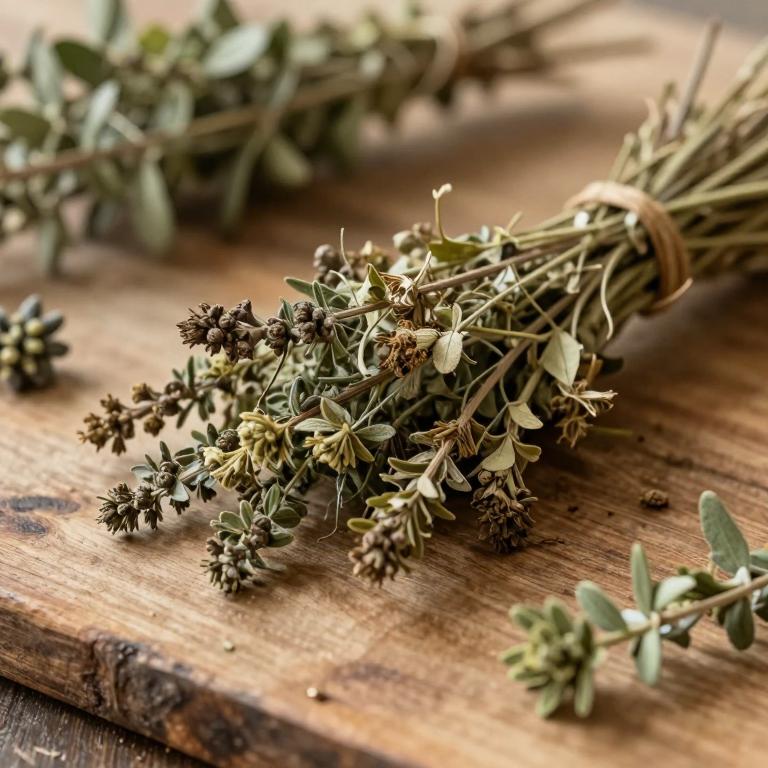
Names and Synonyms
Scientific Names
Accepted name
Pycnanthemum verticillatum var. pilosumDistribution
This plant exhibits a specific geographical range across parts of North America. In Eastern Canada, its distribution is noted within the province of Ontario. Moving into the North-Central United States, it can be found in Illinois and Iowa. The species also extends further into the central region to include Kansas. Finally, its documented presence continues through the state of Missouri.
| Region | Area |
|---|---|
| Eastern Canada | Ontario |
| North-Central U.S.A. | Illinois |
| North-Central U.S.A. | Iowa |
| North-Central U.S.A. | Kansas |
| North-Central U.S.A. | Missouri |
| North-Central U.S.A. | Nebraska |
| North-Central U.S.A. | Oklahoma |
| Northeastern U.S.A. | Connecticut |
| Northeastern U.S.A. | Michigan |
| Northeastern U.S.A. | New York |
Sources: The World Checklist of Vascular Plants (WCVP)
Chemicals
Pycnanthemum verticillatum var. pilosum has 29 reported phytochemicals identified across 0 scientific publications and several other databases. The most consistently reported chemicals include 1,8-Cineole, 1-OCTEN-3-OL, 3-OCTANOL, ALPHA-PINENE, Anisaldehyde.
| Chemical | Supporting sources | Consensus |
|---|---|---|
| 1,8-Cineole | 1 supporting sources | ★☆☆☆☆ |
| 1-OCTEN-3-OL | 1 supporting sources | ★☆☆☆☆ |
| 3-OCTANOL | 1 supporting sources | ★☆☆☆☆ |
| ALPHA-PINENE | 1 supporting sources | ★☆☆☆☆ |
| Anisaldehyde | 1 supporting sources | ★☆☆☆☆ |
| BETA-ELEMENE | 1 supporting sources | ★☆☆☆☆ |
| BETA-PINENE | 1 supporting sources | ★☆☆☆☆ |
| Bicyclogermacrene | 1 supporting sources | ★☆☆☆☆ |
| Caryophyllene | 1 supporting sources | ★☆☆☆☆ |
| EO | 1 supporting sources | ★☆☆☆☆ |
1,8-Cineole
- Dr. Duke
1-OCTEN-3-OL
- Dr. Duke
3-OCTANOL
- Dr. Duke
ALPHA-PINENE
- Dr. Duke
Anisaldehyde
- Dr. Duke
BETA-ELEMENE
- Dr. Duke
BETA-PINENE
- Dr. Duke
Bicyclogermacrene
- Dr. Duke
Caryophyllene
- Dr. Duke
EO
- Dr. Duke
Activities
Pycnanthemum verticillatum var. pilosum has 197 reported activities identified across 0 scientific publications and several other databases. The most consistently reported activities include (-)-Chronotropic, (-)-Inotropic, ACE-Inhibitor, AChE-Inhibitor, Acaricide.
| Activity | Supporting sources | Consensus |
|---|---|---|
| (-)-Chronotropic | 1 supporting sources | ★☆☆☆☆ |
| (-)-Inotropic | 1 supporting sources | ★☆☆☆☆ |
| ACE-Inhibitor | 1 supporting sources | ★☆☆☆☆ |
| AChE-Inhibitor | 1 supporting sources | ★☆☆☆☆ |
| Acaricide | 1 supporting sources | ★☆☆☆☆ |
| Aldose-Reductase-Inhibitor | 1 supporting sources | ★☆☆☆☆ |
| Allelochemic | 1 supporting sources | ★☆☆☆☆ |
| Allelopathic | 1 supporting sources | ★☆☆☆☆ |
| Allergenic | 1 supporting sources | ★☆☆☆☆ |
| Analgesic | 1 supporting sources | ★☆☆☆☆ |
(-)-Chronotropic
- Dr. Duke
(-)-Inotropic
- Dr. Duke
ACE-Inhibitor
- Dr. Duke
AChE-Inhibitor
- Dr. Duke
Acaricide
- Dr. Duke
Aldose-Reductase-Inhibitor
- Dr. Duke
Allelochemic
- Dr. Duke
Allelopathic
- Dr. Duke
Allergenic
- Dr. Duke
Analgesic
- Dr. Duke