Pycnanthemum setosum
Pycnanthemum setosum · Accepted scientific name
Scientific literature: Very Extensive (252 studies) · ★★★★★
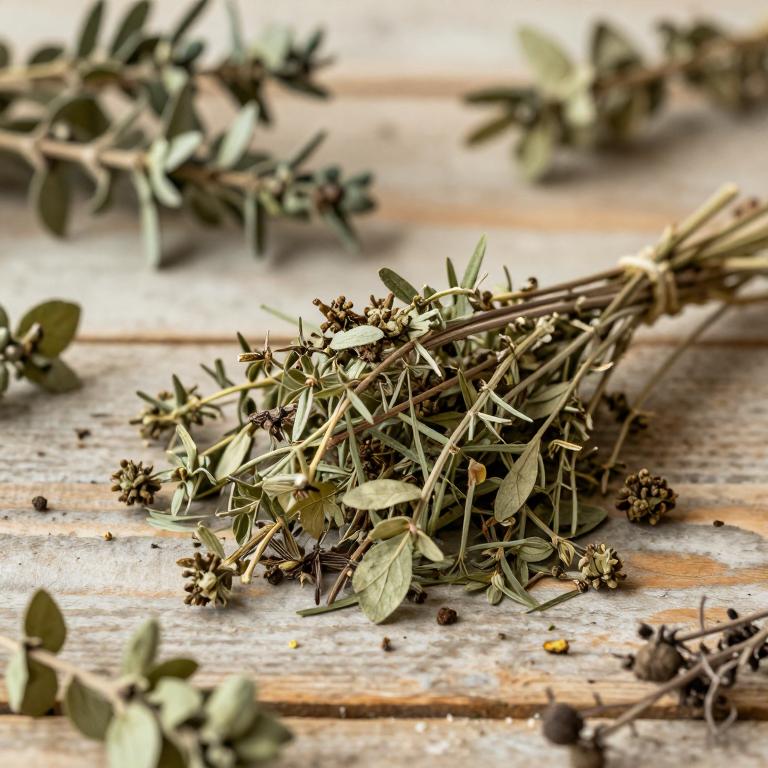
, scientifically known as Pycnanthemum setosum, is a resilient perennial herb native to North America. Commonly called serrated mountain mint, this plant is celebrated for its aromatic foliage and white, clustered flowers. It serves as a vital pollinator magnet, supporting diverse bee populations while offering unique medicinal properties.
- Family
- Not available
- Native range
- Northern America
- Parts used
- Not available
- Common names
- Not available
- Scientific synonyms
- Not available
Names and Synonyms
Scientific Names
Accepted name
Pycnanthemum setosumDistribution
This plant exhibits a diverse geographical distribution across several regions of the United States. In the Northeastern United States, its presence is documented in New Jersey. Moving toward the Southeastern United States, the species can be found in Delaware. This southeastern range extends further south into the states of Georgia and Florida. Additionally, the plant's distribution reaches into Louisiana within the southeastern region.
| Region | Area |
|---|---|
| Northeastern U.S.A. | New Jersey |
| Southeastern U.S.A. | Delaware |
| Southeastern U.S.A. | Florida |
| Southeastern U.S.A. | Georgia |
| Southeastern U.S.A. | Louisiana |
| Southeastern U.S.A. | Maryland |
| Southeastern U.S.A. | North Carolina |
| Southeastern U.S.A. | Virginia |
Sources: The World Checklist of Vascular Plants (WCVP)
Botanical Identification
Life history
The life history of Pycnanthemum setosum is characterized by its classification as a perennial plant, meaning it persists through multiple growing seasons rather than completing its cycle in a single year. In terms of its growth habit and survival strategy, the species is categorized as a hemicryptophyte. This life form indicates that its perennating buds are located at the soil surface, protected by leaf litter or a thin layer of organic matter during unfavorable environmental conditions, allowing the plant to re-emerge and continue its life cycle once favorable conditions return.
- Life form :
- hemicryptophyte
- Lifecycle :
- perennial
Morphology
The morphology of Pycnanthemum setosum is characterized by its growth form as a non-woody herb and forb. It functions as a self-supporting plant, lacking any climbing or vining tendencies, and it grows as an independent organism without parasitic behavior. Regarding its ecological positioning, the plant is strictly terrestrial rather than aquatic or epiphytic.
- Aquatic :
- terrestrial
- Climber :
- self-supporting
- Epiphyte :
- terrestrial
- Growth form :
- herb
- Growth form :
- forb
- Parasite :
- independent
- Woodiness :
- non-woody
Sources: Global Inventory of Floras and Traits (GIFT)
Chemicals
Pycnanthemum setosum has 28 reported phytochemicals identified across 0 scientific publications and several other databases. The most consistently reported chemicals include 1,8-Cineole, 1-OCTEN-3-OL, 3-OCTANOL, ALPHA-PINENE, BETA-PINENE.
| Chemical | Supporting sources | Consensus |
|---|---|---|
| 1,8-Cineole | 1 supporting sources | ★☆☆☆☆ |
| 1-OCTEN-3-OL | 1 supporting sources | ★☆☆☆☆ |
| 3-OCTANOL | 1 supporting sources | ★☆☆☆☆ |
| ALPHA-PINENE | 1 supporting sources | ★☆☆☆☆ |
| BETA-PINENE | 1 supporting sources | ★☆☆☆☆ |
| Borneol | 1 supporting sources | ★☆☆☆☆ |
| CAMPHENE | 1 supporting sources | ★☆☆☆☆ |
| CARVONE | 1 supporting sources | ★☆☆☆☆ |
| Caryophyllene | 1 supporting sources | ★☆☆☆☆ |
| EO | 1 supporting sources | ★☆☆☆☆ |
1,8-Cineole
- Dr. Duke
1-OCTEN-3-OL
- Dr. Duke
3-OCTANOL
- Dr. Duke
ALPHA-PINENE
- Dr. Duke
BETA-PINENE
- Dr. Duke
Borneol
- Dr. Duke
CAMPHENE
- Dr. Duke
CARVONE
- Dr. Duke
Caryophyllene
- Dr. Duke
EO
- Dr. Duke
Activities
Pycnanthemum setosum has 224 reported activities identified across 0 scientific publications and several other databases. The most consistently reported activities include (-)-Chronotropic, (-)-Inotropic, ACE-Inhibitor, AChE-Inhibitor, Acaricide.
| Activity | Supporting sources | Consensus |
|---|---|---|
| (-)-Chronotropic | 1 supporting sources | ★☆☆☆☆ |
| (-)-Inotropic | 1 supporting sources | ★☆☆☆☆ |
| ACE-Inhibitor | 1 supporting sources | ★☆☆☆☆ |
| AChE-Inhibitor | 1 supporting sources | ★☆☆☆☆ |
| Acaricide | 1 supporting sources | ★☆☆☆☆ |
| Aldose-Reductase-Inhibitor | 1 supporting sources | ★☆☆☆☆ |
| Allelochemic | 1 supporting sources | ★☆☆☆☆ |
| Allelopathic | 1 supporting sources | ★☆☆☆☆ |
| Allergenic | 1 supporting sources | ★☆☆☆☆ |
| Analgesic | 1 supporting sources | ★☆☆☆☆ |
(-)-Chronotropic
- Dr. Duke
(-)-Inotropic
- Dr. Duke
ACE-Inhibitor
- Dr. Duke
AChE-Inhibitor
- Dr. Duke
Acaricide
- Dr. Duke
Aldose-Reductase-Inhibitor
- Dr. Duke
Allelochemic
- Dr. Duke
Allelopathic
- Dr. Duke
Allergenic
- Dr. Duke
Analgesic
- Dr. Duke