Pycnanthemum nudum
Pycnanthemum nudum · Accepted scientific name
Scientific literature: Sparse (76 studies) · ★★☆☆☆
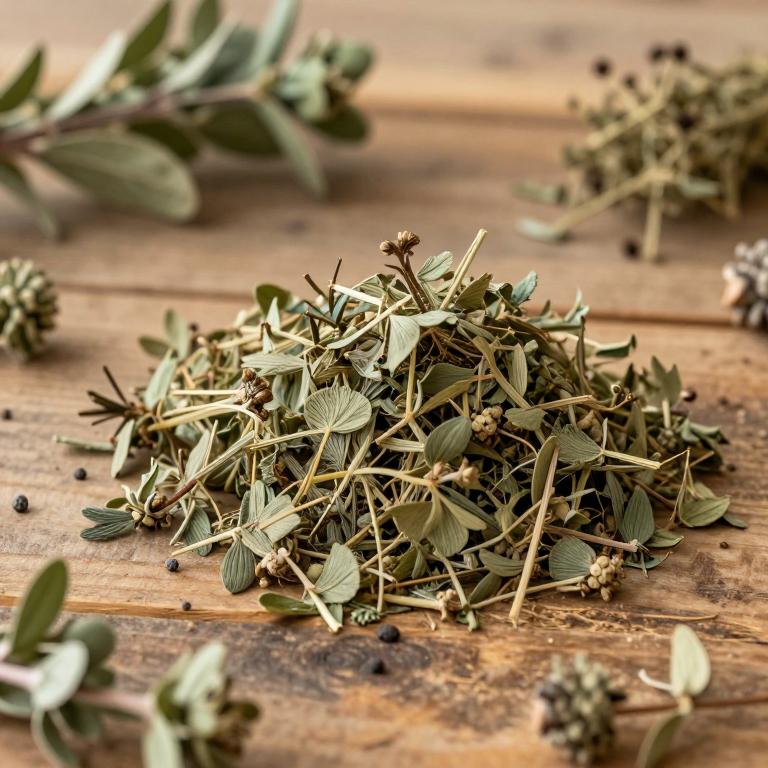
Pycnanthemum nudum, scientifically known as Pycnanthemum nudum, is commonly called Spreading Mentha. This versatile perennial herb is celebrated for its aromatic foliage and striking white flower clusters. Often used in traditional medicine for its soothing properties, it also serves as a vital nectar source for diverse pollinator species.
- Family
- Not available
- Native range
- Northern America
- Parts used
- Not available
- Common names
- Not available
- Scientific synonyms
- Not available
Names and Synonyms
Scientific Names
Accepted name
Pycnanthemum nudumDistribution
This plant is primarily found throughout the Southeastern United States. Its natural range includes several specific states within this region. For instance, you can locate it growing in Alabama and Florida. It also inhabits parts of Georgia and North Carolina. Furthermore, its distribution extends into South Carolina.
| Region | Area |
|---|---|
| Southeastern U.S.A. | Alabama |
| Southeastern U.S.A. | Florida |
| Southeastern U.S.A. | Georgia |
| Southeastern U.S.A. | North Carolina |
| Southeastern U.S.A. | South Carolina |
Sources: The World Checklist of Vascular Plants (WCVP)
Botanical Identification
Life history
The life history of Pycnanthemum nudum is characterized by its status as a perennial plant, allowing it to persist through multiple growing seasons. As a hemicryptophyte, its perenn Perennating buds are located at or just below the soil surface, protected by leaf litter or surface debris during dormant periods. This life form enables the species to effectively navigate seasonal changes, re-emerging from its underground structures to complete its biological cycle annually.
- Life form :
- hemicryptophyte
- Lifecycle :
- perennial
Morphology
The morphology of Pycnanthemum nudum is characterized by its growth form as a non-woody herb, specifically classified as a forb. It is a self-supporting plant, lacking any climber or liana tendencies, and functions as an independent organism rather than a parasite. In terms of its ecological habitat and positioning, the species is terrestrial, functioning as a terrestrial plant rather than an epiphyte or an aquatic/semiaquatic species.
- Aquatic :
- terrestrial
- Climber :
- self-supporting
- Epiphyte :
- terrestrial
- Growth form :
- herb
- Growth form :
- forb
- Parasite :
- independent
- Woodiness :
- non-woody
Sources: Global Inventory of Floras and Traits (GIFT)
Chemicals
Pycnanthemum nudum has 3 reported phytochemicals identified across 0 scientific publications and several other databases. The most consistently reported chemicals include CARVACROL, EO, THYMOL.
| Chemical | Supporting sources | Consensus |
|---|---|---|
| CARVACROL | 1 supporting sources | ★☆☆☆☆ |
| EO | 1 supporting sources | ★☆☆☆☆ |
| THYMOL | 1 supporting sources | ★☆☆☆☆ |
CARVACROL
- Dr. Duke
EO
- Dr. Duke
THYMOL
- Dr. Duke
Activities
Pycnanthemum nudum has 73 reported activities identified across 0 scientific publications and several other databases. The most consistently reported activities include Acaricide, Allergenic, Analgesic, Ancylostomicide, Anesthetic.
| Activity | Supporting sources | Consensus |
|---|---|---|
| Acaricide | 1 supporting sources | ★☆☆☆☆ |
| Allergenic | 1 supporting sources | ★☆☆☆☆ |
| Analgesic | 1 supporting sources | ★☆☆☆☆ |
| Ancylostomicide | 1 supporting sources | ★☆☆☆☆ |
| Anesthetic | 1 supporting sources | ★☆☆☆☆ |
| Ankylostomacide | 1 supporting sources | ★☆☆☆☆ |
| Anthelmintic | 1 supporting sources | ★☆☆☆☆ |
| Antiacne | 1 supporting sources | ★☆☆☆☆ |
| Antiaggregant | 1 supporting sources | ★☆☆☆☆ |
| Antialzheimeran? | 1 supporting sources | ★☆☆☆☆ |
Acaricide
- Dr. Duke
Allergenic
- Dr. Duke
Analgesic
- Dr. Duke
Ancylostomicide
- Dr. Duke
Anesthetic
- Dr. Duke
Ankylostomacide
- Dr. Duke
Anthelmintic
- Dr. Duke
Antiacne
- Dr. Duke
Antiaggregant
- Dr. Duke
Antialzheimeran?
- Dr. Duke