Pycnanthemum californicum
Pycnanthemum californicum · Accepted scientific name
Scientific literature: Extensive (180 studies) · ★★★★☆
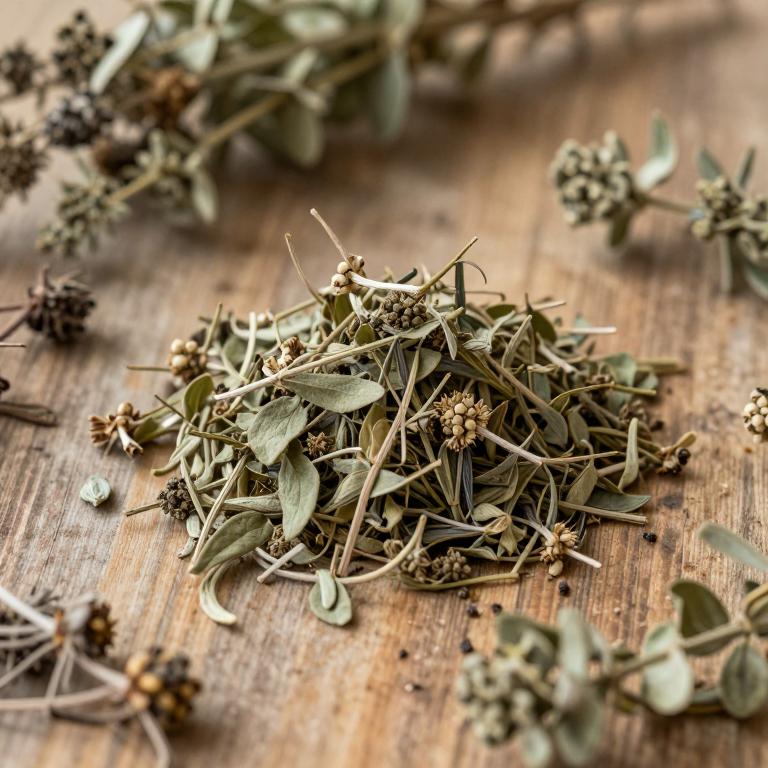
Pycnanthemum californicum, is a resilient perennial herb native to the western United States. Belonging to the mint family, this aromatic plant is celebrated for its silvery foliage and delicate white blooms. Often used in traditional wellness practices, it serves as a vital component for supporting local pollinator ecosystems.
- Family
- Not available
- Native range
- Northern America
- Parts used
- Not available
- Common names
- Not available
- Scientific synonyms
- Not available
Names and Synonyms
Scientific Names
Accepted name
Pycnanthemum californicumDistribution
This plant is specifically found within a very limited geographic range. Its natural distribution is concentrated in the Southwestern United States. Within this region, it is native only to the state of California. Because of this localized presence, it is considered a regional species rather than a widespread one. Understanding this specific habitat is essential for studying its unique ecological role.
| Region | Area |
|---|---|
| Southwestern U.S.A. | California |
Sources: The World Checklist of Vascular Plants (WCVP)
Botanical Identification
Life history
The life history of Pycnanthemum californicum is characterized by its status as a perennial plant, allowing it to persist through multiple growing seasons. As a hemicryptophyte, its perenn Perennating buds are located at or just below the soil surface, protected by leaf litter or accumulated organic matter during unfavorable periods. This specific life form enables the plant to survive seasonal transitions by sheltering its regenerative structures near the ground level, ensuring its continued presence within its ecological niche over several years.
- Life form :
- hemicryptophyte
- Lifecycle :
- perennial
Morphology
The morphology of Pycnanthemum californicum is characterized by its growth form as a non-woody herb and forb, manifesting as a self-supporting plant rather than a climber, liana, or vine. It functions as an independent organism, lacking parasitic tendencies, and maintains a terrestrial habit rather than being aquatic, semiaquatic, or epiphytic. The structure is defined by its non-woody stems, which support its development as a free-standing herbaceous species within its natural habitat.
- Aquatic :
- terrestrial
- Climber :
- self-supporting
- Epiphyte :
- terrestrial
- Growth form :
- herb
- Growth form :
- forb
- Parasite :
- independent
- Woodiness :
- non-woody
Sources: Global Inventory of Floras and Traits (GIFT)
Chemicals
Pycnanthemum californicum has 19 reported phytochemicals identified across 0 scientific publications and several other databases. The most consistently reported chemicals include 1,8-Cineole, 1-OCTEN-3-OL, 1-Octen-3-yl acetate, ALPHA-PINENE, BETA-PINENE.
| Chemical | Supporting sources | Consensus |
|---|---|---|
| 1,8-Cineole | 1 supporting sources | ★☆☆☆☆ |
| 1-OCTEN-3-OL | 1 supporting sources | ★☆☆☆☆ |
| 1-Octen-3-yl acetate | 1 supporting sources | ★☆☆☆☆ |
| ALPHA-PINENE | 1 supporting sources | ★☆☆☆☆ |
| BETA-PINENE | 1 supporting sources | ★☆☆☆☆ |
| Caryophyllene | 1 supporting sources | ★☆☆☆☆ |
| EO | 1 supporting sources | ★☆☆☆☆ |
| Isomenthone | 1 supporting sources | ★☆☆☆☆ |
| LIMONENE | 1 supporting sources | ★☆☆☆☆ |
| MENTHONE | 1 supporting sources | ★☆☆☆☆ |
1,8-Cineole
- Dr. Duke
1-OCTEN-3-OL
- Dr. Duke
1-Octen-3-yl acetate
- Dr. Duke
ALPHA-PINENE
- Dr. Duke
BETA-PINENE
- Dr. Duke
Caryophyllene
- Dr. Duke
EO
- Dr. Duke
Isomenthone
- Dr. Duke
LIMONENE
- Dr. Duke
MENTHONE
- Dr. Duke
Activities
Pycnanthemum californicum has 161 reported activities identified across 0 scientific publications and several other databases. The most consistently reported activities include (-)-Chronotropic, (-)-Inotropic, ACE-Inhibitor, AChE-Inhibitor, Acaricide.
| Activity | Supporting sources | Consensus |
|---|---|---|
| (-)-Chronotropic | 1 supporting sources | ★☆☆☆☆ |
| (-)-Inotropic | 1 supporting sources | ★☆☆☆☆ |
| ACE-Inhibitor | 1 supporting sources | ★☆☆☆☆ |
| AChE-Inhibitor | 1 supporting sources | ★☆☆☆☆ |
| Acaricide | 1 supporting sources | ★☆☆☆☆ |
| Aldose-Reductase-Inhibitor | 1 supporting sources | ★☆☆☆☆ |
| Allelochemic | 1 supporting sources | ★☆☆☆☆ |
| Allelopathic | 1 supporting sources | ★☆☆☆☆ |
| Allergenic | 1 supporting sources | ★☆☆☆☆ |
| Analgesic | 1 supporting sources | ★☆☆☆☆ |
(-)-Chronotropic
- Dr. Duke
(-)-Inotropic
- Dr. Duke
ACE-Inhibitor
- Dr. Duke
AChE-Inhibitor
- Dr. Duke
Acaricide
- Dr. Duke
Aldose-Reductase-Inhibitor
- Dr. Duke
Allelochemic
- Dr. Duke
Allelopathic
- Dr. Duke
Allergenic
- Dr. Duke
Analgesic
- Dr. Duke