Pycnanthemum albescens
Pycnanthemum albescens · Accepted scientific name
Scientific literature: Extensive (170 studies) · ★★★★☆
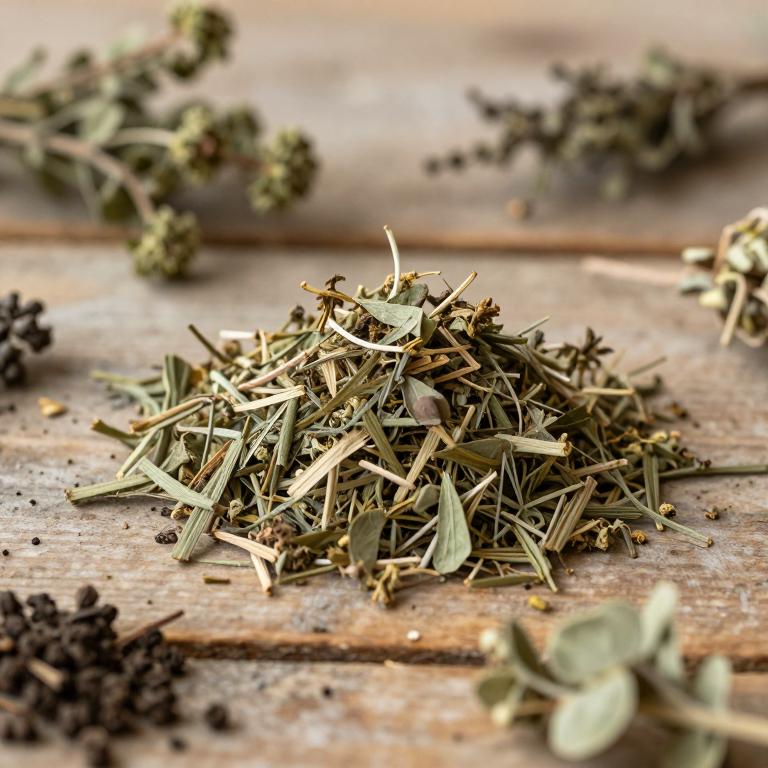
, scientifically known as Pycnanthemum albescens, is a distinctive member of the mint family, commonly called white mountain mint. Native to North American woodlands, this perennial herb is prized for its silvery foliage and aromatic leaves. It serves as a vital nectar source for pollinators and possesses various medicinal properties.
- Family
- Not available
- Native range
- Northern America
- Parts used
- Not available
- Common names
- Not available
- Scientific synonyms
- Not available
Names and Synonyms
Scientific Names
Accepted name
Pycnanthemum albescensDistribution
This plant exhibits a specific distribution pattern primarily focused within the central regions of the United States. In the North-Central area, it can be found growing across the states of Illinois, Kansas, and Missouri. Its presence extends further into the North-Central plains within the state of Oklahoma. Additionally, the species reaches into the South-Central United States, specifically within Texas. Together, these locations define the core geographical range of this medicinal species.
| Region | Area |
|---|---|
| North-Central U.S.A. | Illinois |
| North-Central U.S.A. | Kansas |
| North-Central U.S.A. | Missouri |
| North-Central U.S.A. | Oklahoma |
| South-Central U.S.A. | Texas |
| Southeastern U.S.A. | Alabama |
| Southeastern U.S.A. | Arkansas |
| Southeastern U.S.A. | Florida |
| Southeastern U.S.A. | Kentucky |
| Southeastern U.S.A. | Louisiana |
Sources: The World Checklist of Vascular Plants (WCVP)
Botanical Identification
Life history
The life history of Pycnanthemum albescens is characterized by its classification as a perennial, ensuring its presence in the ecosystem over multiple growing seasons. As a hemicryptophyte, its perennable buds are located at or just below the soil surface, protected by leaf litter or soil during unfavorable periods. This life form strategy allows the plant to effectively navigate seasonal changes by regenerating its aerial structures from these protected subterranean points each year.
- Life form :
- hemicryptophyte
- Lifecycle :
- perennial
Morphology
The morphology of Pycnanthemum albescens is characterized by its growth form as a non-woody herb and specifically a forb. It functions as a self-supporting plant rather than a climber, lacking any liana or vine-like tendencies. The species is independent in its nutritional requirements, meaning it does not act as a parasite, and it is a terrestrial organism rather than an epiphyte or an aquatic/semiaquatic plant.
- Aquatic :
- terrestrial
- Climber :
- self-supporting
- Epiphyte :
- terrestrial
- Growth form :
- herb
- Growth form :
- forb
- Parasite :
- independent
- Woodiness :
- non-woody
Reproduction
The reproduction of Pycnanthemum albescens is primarily driven by its flowering cycle, which is characterized by a specific seasonal window. The flowering process typically begins in June, marking the onset of its reproductive phase, and continues through the month of July before concluding. This seasonal timing ensures that the plant's reproductive efforts are concentrated during the mid-summer period, facilitating pollination and the subsequent development of seeds.
- Flowering time :
- Jun
- Flowering time :
- Jul
Sources: Global Inventory of Floras and Traits (GIFT)
Chemicals
Pycnanthemum albescens has 19 reported phytochemicals identified across 0 scientific publications and several other databases. The most consistently reported chemicals include 1,8-Cineole, 8-Acetoxycarvotanacetone, ALPHA-PINENE, CARVONE, Isomenthone.
| Chemical | Supporting sources | Consensus |
|---|---|---|
| 1,8-Cineole | 1 supporting sources | ★☆☆☆☆ |
| 8-Acetoxycarvotanacetone | 1 supporting sources | ★☆☆☆☆ |
| ALPHA-PINENE | 1 supporting sources | ★☆☆☆☆ |
| CARVONE | 1 supporting sources | ★☆☆☆☆ |
| Isomenthone | 1 supporting sources | ★☆☆☆☆ |
| LIMONENE | 1 supporting sources | ★☆☆☆☆ |
| Ledene | 1 supporting sources | ★☆☆☆☆ |
| Linalol | 1 supporting sources | ★☆☆☆☆ |
| MENTHONE | 1 supporting sources | ★☆☆☆☆ |
| Pulegone | 1 supporting sources | ★☆☆☆☆ |
1,8-Cineole
- Dr. Duke
8-Acetoxycarvotanacetone
- Dr. Duke
ALPHA-PINENE
- Dr. Duke
CARVONE
- Dr. Duke
Isomenthone
- Dr. Duke
LIMONENE
- Dr. Duke
Ledene
- Dr. Duke
Linalol
- Dr. Duke
MENTHONE
- Dr. Duke
Pulegone
- Dr. Duke
Activities
Pycnanthemum albescens has 151 reported activities identified across 0 scientific publications and several other databases. The most consistently reported activities include (-)-Chronotropic, (-)-Inotropic, ACE-Inhibitor, AChE-Inhibitor, Acaricide.
| Activity | Supporting sources | Consensus |
|---|---|---|
| (-)-Chronotropic | 1 supporting sources | ★☆☆☆☆ |
| (-)-Inotropic | 1 supporting sources | ★☆☆☆☆ |
| ACE-Inhibitor | 1 supporting sources | ★☆☆☆☆ |
| AChE-Inhibitor | 1 supporting sources | ★☆☆☆☆ |
| Acaricide | 1 supporting sources | ★☆☆☆☆ |
| Aldose-Reductase-Inhibitor | 1 supporting sources | ★☆☆☆☆ |
| Allelochemic | 1 supporting sources | ★☆☆☆☆ |
| Allelopathic | 1 supporting sources | ★☆☆☆☆ |
| Allergenic | 1 supporting sources | ★☆☆☆☆ |
| Analgesic | 1 supporting sources | ★☆☆☆☆ |
(-)-Chronotropic
- Dr. Duke
(-)-Inotropic
- Dr. Duke
ACE-Inhibitor
- Dr. Duke
AChE-Inhibitor
- Dr. Duke
Acaricide
- Dr. Duke
Aldose-Reductase-Inhibitor
- Dr. Duke
Allelochemic
- Dr. Duke
Allelopathic
- Dr. Duke
Allergenic
- Dr. Duke
Analgesic
- Dr. Duke