koniklec
Pulsatilla · Accepted scientific name
Scientific literature: Very Sparse (14 studies) · ★☆☆☆☆
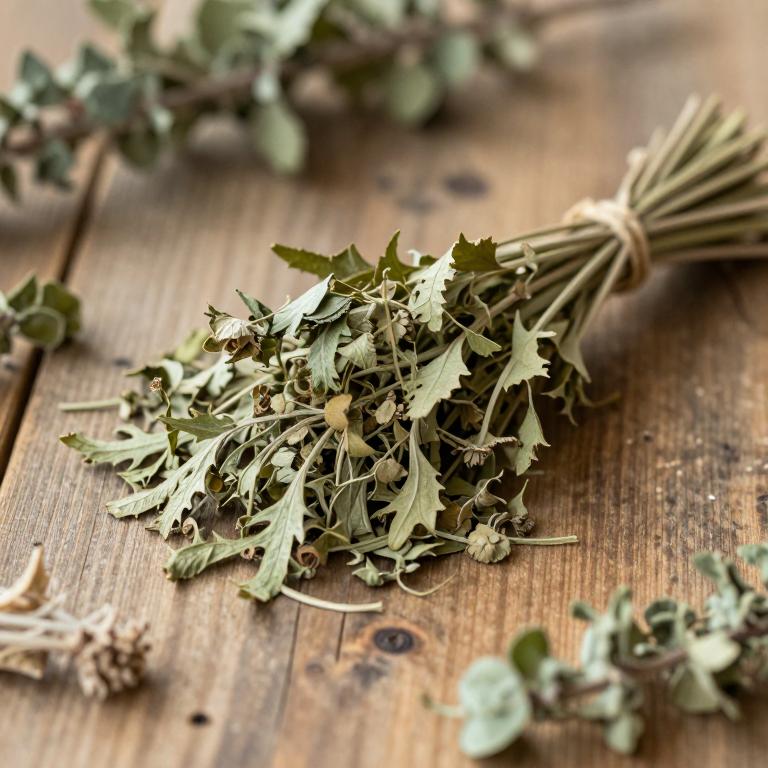
Koniklec, scientifically known as Pulsatilla, is a perennial herb cherished in traditional medicine for its diverse therapeutic properties. Often referred to as Pasqueflower, this botanical treasure is renowned for its ability to soothe nervous tension and alleviate various inflammatory conditions, offering a natural approach to holistic wellness and healing.
- Family
- Ranunculaceae
- Native range
- Europe
- Parts used
- Not available
- Common names
- Pasqueflower · Pasqueflowers
- Scientific synonyms
- Anetilla · Miyakea · 1 more
Names and Synonyms
Common Names
- pasqueflower
- pasqueflowers
Scientific Names
Accepted name
PulsatillaSynonyms
- Anetilla
- Miyakea
- Preonanthus
Regional and Traditional Names
Spanish:
- pulsatilas
German:
- Kuhschellen
- Küchenschellen
- Küchenschelle
- koniklec
- Kuhschellen
- Küchenschellen
- Kühchenschellen - eigentlicher Herkunftsname
French:
- Pulsatille
- Pulsatilles
- Pulsatille
Sources: Wikidata, Catalogue of Life
Taxonomical Classification
This plant belongs to the kingdom Plantae and the phylum Streptophyta, falling under the class Equisetopsida and subclass Magnoliidae. Within the order Ranunculales and the family Ranunculaceae, it is classified under the genus Pulsatilla.
| Rank | Classification |
|---|---|
| Kingdom | Plantae |
| Phylum | Streptophyta |
| Class | Equisetopsida |
| Subclass | Magnoliidae |
| Order | Ranunculales |
| Family | Ranunculaceae |
| Genus | Pulsatilla |
Sources: The World Checklist of Vascular Plants (WCVP)
Distribution
This plant exhibits a specific geographical distribution concentrated within the regions of Northern Europe. It can be found growing naturally across the landscapes of Denmark and Finland. Furthermore, its presence extends to the territories of Norway and Sweden. The species is also documented to inhabit parts of Great Britain. Collectively, these locations define its primary environmental range within the northern hemisphere.
| Region | Area |
|---|---|
| Northern Europe | Denmark |
| Northern Europe | Finland |
| Northern Europe | Great Britain |
| Northern Europe | Norway |
| Northern Europe | Sweden |
| Middle Europe | Austria |
| Middle Europe | Belgium |
| Middle Europe | Czechia-Slovakia |
| Middle Europe | Germany |
| Middle Europe | Hungary |
Sources: The World Checklist of Vascular Plants (WCVP)
Chemicals
Pulsatilla has 8 reported phytochemicals identified across 0 scientific publications and several other databases. The most consistently reported chemicals include Anemoside B4, Epiberberine, Esculetin, Esculin, Jatrorrhizine.
| Chemical | Supporting sources | Consensus |
|---|---|---|
| Anemoside B4 | 1 supporting sources | ★☆☆☆☆ |
| Epiberberine | 1 supporting sources | ★☆☆☆☆ |
| Esculetin | 1 supporting sources | ★☆☆☆☆ |
| Esculin | 1 supporting sources | ★☆☆☆☆ |
| Jatrorrhizine | 1 supporting sources | ★☆☆☆☆ |
| Phellodendrine | 1 supporting sources | ★☆☆☆☆ |
| Pulchinenoside B4 | 1 supporting sources | ★☆☆☆☆ |
| berberine | 1 supporting sources | ★☆☆☆☆ |
Anemoside B4
- Journal of ethnopharmacology
Epiberberine
- Journal of ethnopharmacology
Esculetin
- Journal of ethnopharmacology
Esculin
- Journal of ethnopharmacology
Jatrorrhizine
- Journal of ethnopharmacology
Phellodendrine
- Journal of ethnopharmacology
Pulchinenoside B4
- Applied microbiology and biotechnology
berberine
- Journal of ethnopharmacology
Activities
Pulsatilla has 1 reported activities identified across 0 scientific publications and several other databases. The most consistently reported activities include Immunomodulator.
| Activity | Supporting sources | Consensus |
|---|---|---|
| Immunomodulator | 1 supporting sources | ★☆☆☆☆ |
Immunomodulator
- Applied microbiology and biotechnology
Conditions
Pulsatilla has 5 reported investigations on conditions identified across 0 scientific publications and several other databases. The most consistently reported conditions include fungal infections, neutrophil infiltration, oral ulcers, ulcerative colitis, vulvovaginal candidiasis.
| Condition | Supporting sources | Consensus |
|---|---|---|
| Fungal infections | 1 supporting sources | ★☆☆☆☆ |
| Neutrophil infiltration | 1 supporting sources | ★☆☆☆☆ |
| Oral ulcers | 1 supporting sources | ★☆☆☆☆ |
| Ulcerative colitis | 1 supporting sources | ★☆☆☆☆ |
| Vulvovaginal candidiasis | 1 supporting sources | ★☆☆☆☆ |
Fungal infections
- Journal of ethnopharmacology
Neutrophil infiltration
- Fitoterapia
Oral ulcers
- Applied microbiology and biotechnology
Ulcerative colitis
- Journal of ethnopharmacology
Vulvovaginal candidiasis
- Journal of ethnopharmacology
Preparations
Pulsatilla has 3 reported preparations identified across 0 scientific publications and several other databases. The most consistently reported preparations include Pulsatilla suppository, decoction, n-butanol extract of Pulsatilla decoction (BEPD).
| Preparation | Supporting sources | Consensus |
|---|---|---|
| Pulsatilla suppository | 1 supporting sources | ★☆☆☆☆ |
| Decoction | 1 supporting sources | ★☆☆☆☆ |
| N-butanol extract of pulsatilla decoction (bepd) | 1 supporting sources | ★☆☆☆☆ |
Pulsatilla suppository
- Fitoterapia
Decoction
- Journal of ethnopharmacology
N-butanol extract of pulsatilla decoction (bepd)
- Fitoterapia