Pulmonaria mollis
Pulmonaria mollis · Accepted scientific name
Scientific literature: Very Sparse (0 studies) · ★☆☆☆☆
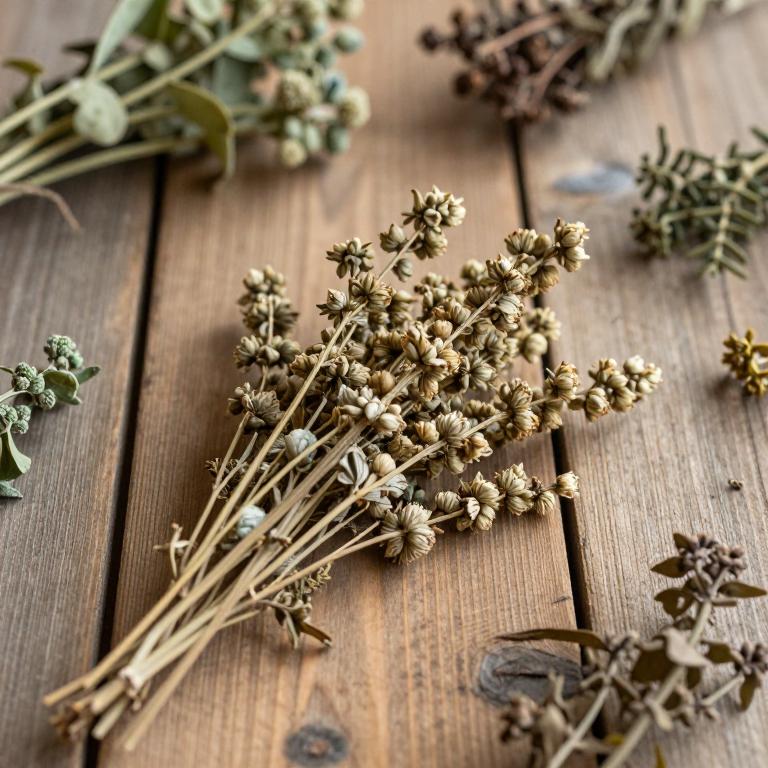
Pulmonaria mollis, commonly known as lungwort, is a charming perennial plant cherished for its soft, textured foliage and bell-shaped flowers. This species is often utilized in herbalism, where its properties are harnessed through various specialized preparations. Among the most common applications is the use of concentrated extracts to capture its unique botanical characteristics. These extracts serve as a foundational element for those studying the plant's traditional medicinal potential. Understanding the nuances of Pulmonaria mollis is essential for anyone interested in the intersection of botany and natural pharmacology.
- Synonyms
- Pulmonaria Montana Subsp. Mollis
- Common names
- Not available
- Family
- Boraginaceae
- Distribution
- Southern America
- Plant Parts
- Not available
Classification
Common Names
Pulmonaria mollis is a fascinating plant known by several distinct regional names. In German-speaking areas, it is commonly referred to as Lungenkraut, a name that reflects its historical associations. Similarly, it is recognized in other cultures by the common name xian mao fei cao. These diverse naming conventions highlight the plant's widespread presence across different linguistic landscapes. Understanding these various identities helps gardeners and botanists connect with the species on a global scale.
Sources: Catalogue of Life (COL)
Synonyms
Pulmonaria mollis is a delicate woodland perennial that is frequently identified in botanical literature by its synonym, Pulmonaria montana subsp. mollis. This taxonomic relationship highlights the plant's close connection to the broader mountain lungwort species found throughout various European habitats. While some classifications treat them as distinct, many researchers recognize this subspecies as a specific variation of the larger mountain lungwort group. Understanding these naming nuances is essential for gardeners and botanists seeking to accurately identify the plant in the wild. Consequently, recognizing both names ensures clarity when studying its unique ecological role and growth patterns.
Sources: The World Checklist of Vascular Plants (WCVP)
Taxonomy
Pulmonaria mollis is a fascinating member of the kingdom Plantae. Within this vast botanical world, it belongs to the class Equisetopsida. It is further categorized under the order Boraginales, which defines its structural characteristics. This plant is a prominent representative of the genus Pulmonaria. Finally, it finds its specific place within the diverse family Boraginaceae.
| Rank | Classification |
|---|---|
| Kingdom | Plantae |
| Phylum | Streptophyta |
| Class | Equisetopsida |
| Subclass | Magnoliidae |
| Order | Boraginales |
| Family | Boraginaceae |
| Genus | Pulmonaria |
Sources: The World Checklist of Vascular Plants (WCVP)
Distribution
Geographic Regions
Pulmonaria mollis is a resilient species with a broad distribution spanning much of the Asia-Temperate region. Its natural range extends through the mountainous landscapes of the Caucasus and the Transcaucasus. In the central parts of the continent, the plant can be found thriving across Central Asia and Kazakhstan. The species also reaches into East Asia, establishing itself within the North-Central regions of China. Furthermore, its presence is noted across the expansive plains of Inner Mongolia, showcasing its adaptability to diverse environments.
Sources: The World Checklist of Vascular Plants (WCVP)
Identification
Morphology
Pulmonaria mollis is a charming herb characterized by its self-supporting growth form. This resilient plant typically reaches a modest height, generally staying within a range of 0.15 m to 0.5 m. While it can be found as low as 0.15 m, many specimens establish a more robust presence at around 0.25 m. Regardless of its exact size, the plant maintains a stable structure in its natural environment. Its compact stature makes it an ideal addition to many garden landscapes.
Sources: Global Inventory of Floras and Traits (GIFT)
Biological Activities
Compounds
Conditions
Pulmonaria mollis demonstrates significant antioxidant properties by protecting bacteria against oxidative stress. Specifically, this medicinal herb helps mitigate the bacteriostatic and bactericidal effects caused by H(2)O(2) and menadione. In vivo testing revealed that the extract possesses a high capacity to shield Escherichia coli from these damaging agents. This protective capability is closely linked to the plant's ability to scavenge DPPH radicals and influence antioxidant gene expression. Consequently, the extract functions as a potent natural defense against microbial damage induced by oxidative substances.
Preparations
Pulmonaria mollis is prepared as extracts to facilitate the evaluation of its medicinal properties. These specific extracts are utilized in studies to assess antioxidant activity through various in vitro and in vivo methods. Researchers specifically tested the extracts to determine their ability to protect bacteria against oxidative damage. Among the medicinal herbs studied, the Pulmonaria mollis extracts demonstrated some of the highest levels of antioxidant activity. This preparation allows the plant to serve as a potential natural source for inhibiting reactive oxygen species.