Pulicaria undulata subsp. undulata
Pulicaria undulata subsp. undulata · Accepted scientific name
Scientific literature: Very Sparse (26 studies) · ★☆☆☆☆
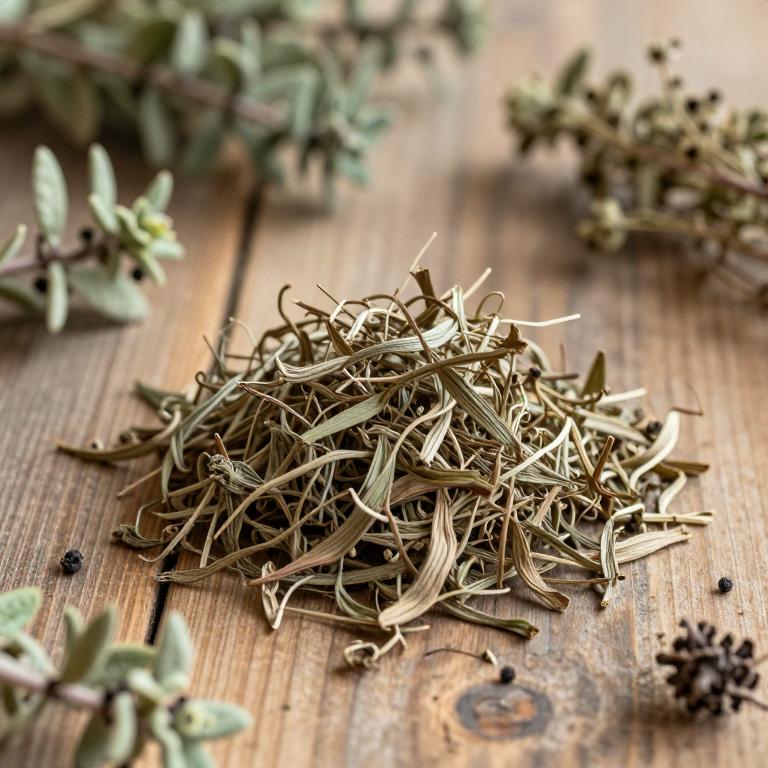
scientifically known as Pulicaria undulata subsp. undulata, is a distinctive medicinal herb valued for its therapeutic properties. Often found in specific ecological niches, this subspecies contains bioactive compounds utilized in traditional medicine. Understanding its botanical characteristics and phytochemical profile is essential for exploring its potential in modern pharmacology.
- Family
- Asteraceae
- Native range
- Africa
- Parts used
- Not available
- Common names
- Not available
- Scientific synonyms
- Inula Odora · Inula Quadrifida · 6 more
Names and Synonyms
Scientific Names
Accepted name
Pulicaria undulata subsp. undulataSynonyms
- Inula odora
- Inula quadrifida
- Aster crispus
- Duchesnia crispa
- Francoeuria crispa
- Pulicaria crispa
- Inula crispa
- Francoeuria crispa var. discoides
Sources: Wikidata
Taxonomical Classification
This plant belongs to the kingdom Plantae and is classified under the phylum Streptophyta and the class Equisetopsida. Within the subclass Magnoliidae, it is ordered under Asterales and falls into the family Asteraceae. It is specifically identified by the genus Pulicaria as the subspecies Pulicaria undulata subsp. undulata.
| Rank | Classification |
|---|---|
| Kingdom | Plantae |
| Phylum | Streptophyta |
| Class | Equisetopsida |
| Subclass | Magnoliidae |
| Order | Asterales |
| Family | Asteraceae |
| Genus | Pulicaria |
Sources: The World Checklist of Vascular Plants (WCVP)
Distribution
This plant exhibits a specific geographical distribution concentrated within the North African region. It can be found growing in the diverse landscapes of Algeria and Morocco. Additionally, its presence extends across the territories of Tunisia and Libya. The species also inhabits parts of Egypt, completing its regional range. Overall, these five countries represent the primary locations where this medicinal plant is distributed.
| Region | Area |
|---|---|
| Northern Africa | Algeria |
| Northern Africa | Egypt |
| Northern Africa | Libya |
| Northern Africa | Morocco |
| Northern Africa | Tunisia |
| Macaronesia | Canary Is. |
| West Tropical Africa | Benin |
| West Tropical Africa | Mali |
| West Tropical Africa | Mauritania |
| West Tropical Africa | Senegal |
Sources: The World Checklist of Vascular Plants (WCVP)
Chemicals
Pulicaria undulata subsp. undulata has 15 reported phytochemicals identified across 0 scientific publications and several other databases. The most consistently reported chemicals include Lupeol, Phytol, STIGMASTEROL, 1,4-ditert-butylbenzene, CARVONE.
| Chemical | Supporting sources | Consensus |
|---|---|---|
| Lupeol | 2 supporting sources | ★☆☆☆☆ |
| Phytol | 2 supporting sources | ★☆☆☆☆ |
| STIGMASTEROL | 2 supporting sources | ★☆☆☆☆ |
| 1,4-ditert-butylbenzene | 1 supporting sources | ★☆☆☆☆ |
| CARVONE | 1 supporting sources | ★☆☆☆☆ |
| Caryophyllene | 1 supporting sources | ★☆☆☆☆ |
| ETHYL ACETATE | 1 supporting sources | ★☆☆☆☆ |
| Flavonoids | 1 supporting sources | ★☆☆☆☆ |
| HEXANE | 1 supporting sources | ★☆☆☆☆ |
| Saponins | 1 supporting sources | ★☆☆☆☆ |
Lupeol
- 3 Biotech
- Molecules (Basel, Switzerland)
Phytol
- 3 Biotech
- Molecules (Basel, Switzerland)
STIGMASTEROL
- 3 Biotech
- Molecules (Basel, Switzerland)
1,4-ditert-butylbenzene
- Scientific reports
CARVONE
- Scientific reports
Caryophyllene
- Scientific reports
ETHYL ACETATE
- Tropical animal health and production
Flavonoids
- Insects
HEXANE
- Tropical animal health and production
Saponins
- Scientific reports
Activities
Pulicaria undulata subsp. undulata has 3 reported activities identified across 0 scientific publications and several other databases. The most consistently reported activities include Antibacterial, Anticancer, Antiviral.
| Activity | Supporting sources | Consensus |
|---|---|---|
| Antibacterial | 2 supporting sources | ★☆☆☆☆ |
| Anticancer | 1 supporting sources | ★☆☆☆☆ |
| Antiviral | 1 supporting sources | ★☆☆☆☆ |
Antibacterial
- Saudi journal of biological sciences
- Molecules (Basel, Switzerland)
Anticancer
- Frontiers in pharmacology
Antiviral
- Molecules (Basel, Switzerland)
Conditions
Pulicaria undulata subsp. undulata has 2 reported investigations on conditions identified across 0 scientific publications and several other databases. The most consistently reported conditions include gastric ulcer, inflammation.
| Condition | Supporting sources | Consensus |
|---|---|---|
| Gastric ulcer | 1 supporting sources | ★☆☆☆☆ |
| Inflammation | 1 supporting sources | ★☆☆☆☆ |
Gastric ulcer
- Heliyon
Inflammation
- Heliyon
Preparations
Pulicaria undulata subsp. undulata has 12 reported preparations identified across 0 scientific publications and several other databases. The most consistently reported preparations include DCMF, HF fraction, dichloromethane fraction (DCMF), diethyl ether extract, dried extract.
| Preparation | Supporting sources | Consensus |
|---|---|---|
| Dcmf | 1 supporting sources | ★☆☆☆☆ |
| Hf fraction | 1 supporting sources | ★☆☆☆☆ |
| Dichloromethane fraction (dcmf) | 1 supporting sources | ★☆☆☆☆ |
| Diethyl ether extract | 1 supporting sources | ★☆☆☆☆ |
| Dried extract | 1 supporting sources | ★☆☆☆☆ |
| Essential oils | 1 supporting sources | ★☆☆☆☆ |
| Ethyl acetate extract | 1 supporting sources | ★☆☆☆☆ |
| Hexane fraction | 1 supporting sources | ★☆☆☆☆ |
| Methanol extract | 1 supporting sources | ★☆☆☆☆ |
| Methanolic extracts | 1 supporting sources | ★☆☆☆☆ |
Dcmf
- Pharmaceutics
Hf fraction
- Molecules (Basel, Switzerland)
Dichloromethane fraction (dcmf)
- Pharmaceutics
Diethyl ether extract
- Saudi journal of biological sciences
Dried extract
- Drugs under experimental and clinical research
Essential oils
- Planta medica
Ethyl acetate extract
- Experimental and therapeutic medicine
Hexane fraction
- 3 Biotech
Methanol extract
- Saudi journal of biological sciences
Methanolic extracts
- Insects