Pulicaria mauritanica
Pulicaria mauritanica · Accepted scientific name
Scientific literature: Very Sparse (8 studies) · ★☆☆☆☆
, scientifically known as Pulicaria mauritanica, is a distinctive medicinal herb valued for its diverse therapeutic properties. Often found in specific ecological niches, this plant is traditionally utilized in various folk medicine practices to treat inflammatory conditions and digestive ailments, offering a natural approach to supporting holistic wellness and health.
- Family
- Asteraceae
- Native range
- Africa
- Parts used
- Not available
- Common names
- Not available
- Scientific synonyms
- Not available
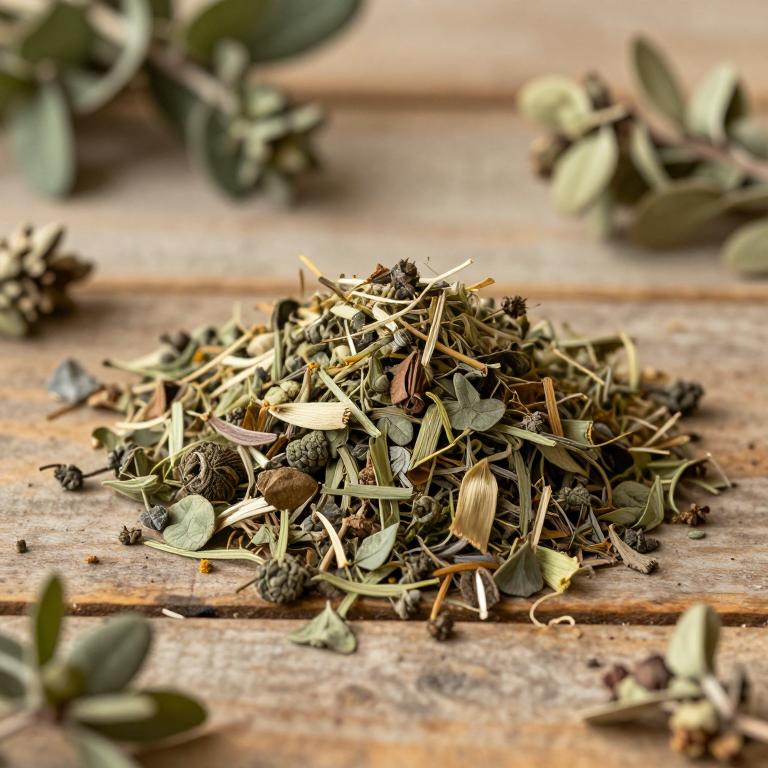
Names and Synonyms
Scientific Names
Accepted name
Pulicaria mauritanicaSources: Wikidata, Catalogue of Life
Taxonomical Classification
This plant belongs to the kingdom Plantae and the phylum Streptophyta, specifically within the class Equisetopsida and subclass Magnoliidae. It is further classified under the order Asterales and the family Asteraceae. Finally, its taxonomic identity is defined by its membership in the genus Pulicaria.
| Rank | Classification |
|---|---|
| Kingdom | Plantae |
| Phylum | Streptophyta |
| Class | Equisetopsida |
| Subclass | Magnoliidae |
| Order | Asterales |
| Family | Asteraceae |
| Genus | Pulicaria |
Sources: The World Checklist of Vascular Plants (WCVP)
Distribution
This plant, known scientifically as Pulicaria mauuritaniaica, exhibits a specific geographical distribution across the North African region. It can be found growing within the territory of Algeria. Additionally, its presence is documented throughout the landscape of Morocco. The species also extends its range into the territory of Western Sahara. Collectively, these locations define the primary natural habitat for this medicinal plant.
| Region | Area |
|---|---|
| Northern Africa | Algeria |
| Northern Africa | Morocco |
| Northern Africa | Western Sahara |
Sources: The World Checklist of Vascular Plants (WCVP)
Chemicals
Pulicaria mauritanica has 6 reported phytochemicals identified across 0 scientific publications and several other databases. The most consistently reported chemicals include Anthraquinones, Flavonoids, Saponins, Sterols, Tannins.
| Chemical | Supporting sources | Consensus |
|---|---|---|
| Anthraquinones | 1 supporting sources | ★☆☆☆☆ |
| Flavonoids | 1 supporting sources | ★☆☆☆☆ |
| Saponins | 1 supporting sources | ★☆☆☆☆ |
| Sterols | 1 supporting sources | ★☆☆☆☆ |
| Tannins | 1 supporting sources | ★☆☆☆☆ |
| Terpenoids | 1 supporting sources | ★☆☆☆☆ |
Anthraquinones
- Cardiovascular & hematological agents in medicinal chemistry
Flavonoids
- Cardiovascular & hematological agents in medicinal chemistry
Saponins
- Cardiovascular & hematological agents in medicinal chemistry
Sterols
- Cardiovascular & hematological agents in medicinal chemistry
Tannins
- Cardiovascular & hematological agents in medicinal chemistry
Terpenoids
- Cardiovascular & hematological agents in medicinal chemistry
Conditions
Pulicaria mauritanica has 1 reported investigations on conditions identified across 0 scientific publications and several other databases. The most consistently reported conditions include inflammation.
| Condition | Supporting sources | Consensus |
|---|---|---|
| Inflammation | 1 supporting sources | ★☆☆☆☆ |
Inflammation
- Cardiovascular & hematological agents in medicinal chemistry
Preparations
Pulicaria mauritanica has 2 reported preparations identified across 0 scientific publications and several other databases. The most consistently reported preparations include aqueous extract from Pulicaria mauritanica, aqueous extract of Pulicaria mauritanica from aerial parts (AEPM).
| Preparation | Supporting sources | Consensus |
|---|---|---|
| Aqueous extract from pulicaria mauritanica | 1 supporting sources | ★☆☆☆☆ |
| Aqueous extract of pulicaria mauritanica from aerial parts (aepm) | 1 supporting sources | ★☆☆☆☆ |
Aqueous extract from pulicaria mauritanica
- Cardiovascular & hematological agents in medicinal chemistry
Aqueous extract of pulicaria mauritanica from aerial parts (aepm)
- Cardiovascular & hematological agents in medicinal chemistry