Pueraria
Pueraria · Accepted scientific name
Scientific literature: Very Sparse (5 studies) · ★☆☆☆☆
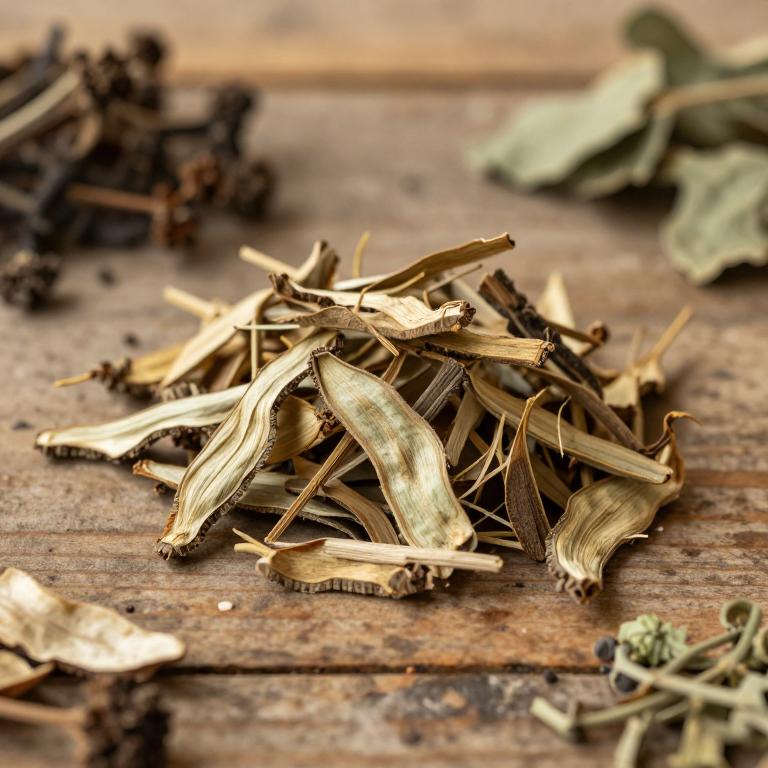
Pueraria is a versatile botanical resource utilized extensively in traditional medicine through its root, flower, and stem components. The plant contains bioactive chemicals such as Puerarin, Daidzin, Daidzein-8-C-glucoside, and amylose, which contribute to its diverse therapeutic profile. These compounds facilitate significant pharmacological activities, including analgesic, anticancer, hypoglycemic, and antiatherosclerotic effects. Clinically, Pueraria is studied for its impact on bone mineral density and its potential to mitigate conditions like alcohol abuse. Various medicinal preparations, such as Ganmao Qingre Granules, Baoji pills, Pueraria spray, and Yufeng Ningxin Tablets, leverage these properties for patient care.
- Synonyms
- Bujacia · Zeydora · 1 more
- Common names
- Not available
- Family
- Fabaceae
- Distribution
- Not available
- Plant Parts
- Root · Flower
Classification
Common Names
Pueraria is a versatile genus of plants that is most widely recognized by its common English name, kudzu. In various linguistic contexts, this plant is known by several different titles, including the Hungarian term Fojtóbabok. It is also frequently referred to as Opornik in certain regions. For those speaking Swedish, the plant is identified as either Kudzubönssläktet or kudzubönsläktet. These diverse names reflect the global presence and various cultural identities associated with this climbing vine.
Sources: Catalogue of Life (COL)
Synonyms
Pueraria is a genus of plants that has historically been associated with several different taxonomic names. In various botanical records, it is identified by the synonym Bujacia. Researchers have also encountered this plant under the name Glycine in older scientific literature. Furthermore, the name Zeydora serves as another recognized synonym for this particular group. Understanding these diverse nomenclature connections is essential for accurate botanical classification.
Sources: The World Checklist of Vascular Plants (WCVP)
Taxonomy
Pueraria is a fascinating member of the kingdom Plantae that showcases the diverse complexity of the natural world. This plant belongs to the class Equisetopsida and is classified under the specific order Fabales. Within this lineage, it is a prominent representative of the genus Pueraria. Furthermore, it holds a distinguished place within the family Fabaceae, linking it to other well-known legumes. Understanding these taxonomic relationships provides essential insight into the botanical identity of this unique species.
| Rank | Classification |
|---|---|
| Kingdom | Plantae |
| Phylum | Streptophyta |
| Class | Equisetopsida |
| Subclass | Magnoliidae |
| Order | Fabales |
| Family | Fabaceae |
| Genus | Pueraria |
Sources: The World Checklist of Vascular Plants (WCVP)
Distribution
Geographic Regions
Pueraria exhibits a diverse geographical presence across several significant regions of the African continent and beyond. Its distribution extends to the islands of Macaronesia and the Azores, showcasing a broad ecological reach. Within Africa, the genus is notably found throughout Northeast Tropical Africa, specifically spanning Ethiopia and the corridor of Sudan-South Sudan. The plant also establishes itself in South Tropical Africa, with recorded occurrences in both Angola and Mozambique. This wide-ranging habitat reflects the species' ability to adapt to various African landscapes.
Sources: The World Checklist of Vascular Plants (WCVP)
Identification
Biological Activities
Pueraria is a legume vine primarily cultivated throughout East and Southeast Asia, with its tuber serving as the most utilized component. This versatile plant has been used since ancient times to manage ailments such as fever and headaches. Modern research highlights its significant medicinal potential, noting that Pueraria possesses anticancer and neuroprotective activities. Furthermore, the plant demonstrates valuable hypoglycemic and antiatherosclerotic properties that contribute to its broad therapeutic range. These diverse biological activities position Pueraria as a promising ingredient for various nutritional and functional food applications.
Compounds
Pueraria is a highly valued medicinal plant recognized for its diverse array of bioactive constituents, most notably a rich profile of isoflavones. Within its chemical makeup, the plant contains key compounds such as puerarin, which is also identified as daidzein-8-C-glucoside. Other significant components found in Pueraria include daidzin and methyl p-coumarate, both of which contribute to its wide range of pharmacological activities. These specific substances are instrumental in the plant's ability to provide various health benefits, including neuroprotective and hepatoprotective effects. Ultimately, the complex relationship between Pueraria and these chemical compounds underscores its significant potential in modern therapeutic applications.
Conditions
Pueraria plays a significant role in enhancing the intestinal absorption of several key active compounds. Specifically, it promotes the absorption of baicalin, with its effect being particularly obvious. The plant also facilitates the absorption of wogonoside, even though other components like Glycyrrhiza may act differently. Additionally, Pueraria is shown to promote the absorption of liquilitin. Finally, it works alongside Glycyrrhiza to improve the absorption of jateorhizine and berberine.
Preparations
Pueraria is prepared as Baoji pills, a complex traditional Chinese medicine whose quality can be evaluated using HPLC-DAD fingerprint analysis. It is also prepared as Ganmao Qingre Granules, which are used to determine puerarin levels through RP-HPLC methods. Additionally, Pueraria is prepared as a spray for intranasal administration, allowing for the study of its pharmacokinetic features in rabbits. The plant is further prepared as Yufeng Ningxin Tablets, which can be analyzed using a pueraria reference extractive substance in beagle plasma. Finally, Pueraria is prepared as an extract that has been shown to ameliorate alcoholic liver disease by regulating gut microbiota.
Parts used
Pueraria is a versatile medicinal and edible plant that offers significant health benefits through its various anatomical parts. The tuberous root is highly valued in the pharmaceutical industry, particularly for its potential antidepressant effects and its rich concentration of nutrients and medicinal components. Research also indicates that the stems possess a chemical composition similar to the roots, suggesting they could serve as a viable substitute resource. Furthermore, extracts derived from the flower are utilized in functional foods and have been studied for their impact on visceral fat and enzymatic activities. Collectively, the root, stem, and flower of Pueraria provide a wide range of bioactive compounds for diverse therapeutic applications.