East Asian arrowroot
Pueraria montana var. lobata · Accepted scientific name
Scientific literature: Very Extensive (742 studies) · ★★★★★
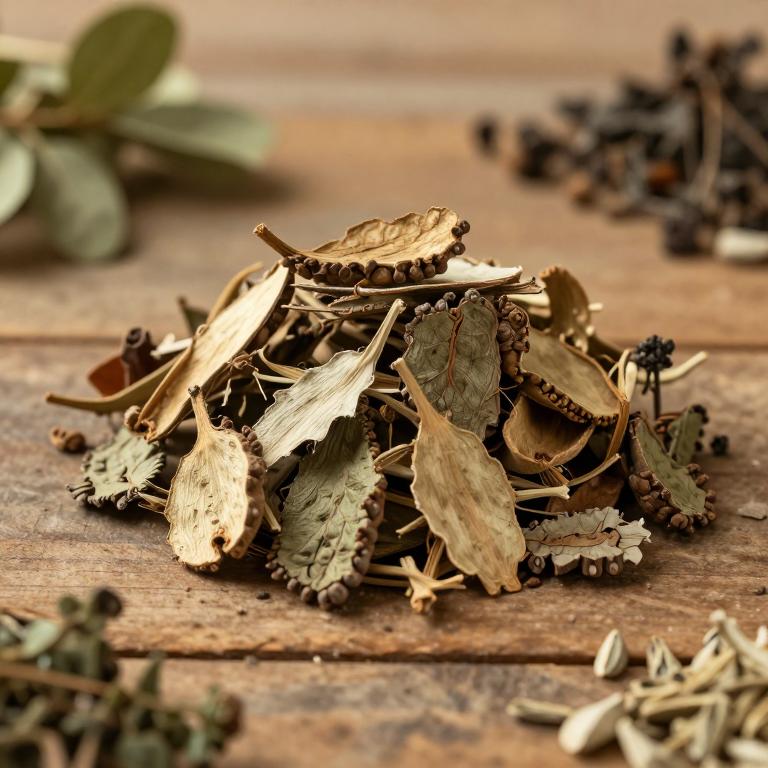
East Asian arrowroot, scientifically known as Pueraria montana var. lobata, is a versatile medicinal legume widely utilized in traditional Asian medicine. Renowned for its starch-rich tubers, it is prized for its ability to reduce inflammation, soothe fevers, and support detoxification, offering significant therapeutic potential in modern herbal pharmacology.
Names and Synonyms
Common Names
- Japanese arrowroot
- kudzu
- kudzu vine
- kudsu
- Kudzu Bean
- kudzu hemp
- East Asian arrowroot
Scientific Names
Accepted name
Pueraria montana var. lobataSynonyms
- Pueraria bodinieri
- Pueraria volkensii
- Pueraria triloba
- Pueraria thunbergii f. alba
- Pueraria thunbergiana
- Pueraria novoguineensis
- Pueraria koten
- Pueraria lobata
- Pueraria montana var. chinensis
- Pueraria caerulea
- Pueraria harmsii
- Pueraria chinensis
- Pueraria argyi
- Phaseolus ficifolius
- Phaseolus cornutus
- Pachyrhizus thunbergianus
- Vigna lobata
- Phaseolus lobatus
- Phaseolus trilobus
- Dioclea odorata
- Pueraria lobata var. chinensis
- Dolichos hirsutus
- Dolichos lobatus
- Pueraria triloba var. leucostachya
- Neustanthus chinensis
Regional and Traditional Names
Spanish:
- Pueraria lobata
- kudzu común
German:
- Kudzubohne
- Kudzu-Bohne
- Kudzu-Kletterwein
French:
- kudzu du Japon
- puéraire hirsute
Sources: Wikidata, Catalogue of Life
Taxonomical Classification
This plant belongs to the kingdom Plantae and the phylum Streptophyta, falling under the class Equisetopsida and subclass Magnoliidae. Within the order Fabales, it is classified under the family Fabaceae and the genus Pueraria. Specifically, its taxonomic designation is Pueraria montana var. lobata.
| Rank | Classification |
|---|---|
| Kingdom | Plantae |
| Phylum | Streptophyta |
| Class | Equisetopsida |
| Subclass | Magnoliidae |
| Order | Fabales |
| Family | Fabaceae |
| Genus | Pueraria |
Sources: The World Checklist of Vascular Plants (WCVP)
Distribution
This plant exhibits a diverse geographical distribution that spans across several distinct regions of Europe and its surrounding islands. In Southeastern Europe, its presence is noted in Italy as well as throughout the Northwest Balkan Peninsula. Moving toward Eastern Europe, the species can be found growing in both Crimea and Ukraine. Beyond the mainland, its range extends into the Atlantic region specifically within the Macaronesia archipelago. Notably, it is also documented as being present in the Azores.
| Region | Area |
|---|---|
| Southeastern Europe | Italy |
| Southeastern Europe | NW. Balkan Pen. |
| Eastern Europe | Krym |
| Eastern Europe | Ukraine |
| Macaronesia | Azores |
| West Tropical Africa | Ghana |
| West Tropical Africa | Liberia |
| West Tropical Africa | Nigeria |
| West Tropical Africa | Senegal |
| West Tropical Africa | Sierra Leone |
Sources: The World Checklist of Vascular Plants (WCVP)
Plant Parts
Pueraria montana var. lobata has 5 reported plant parts identified across 37 scientific publications and several other databases that are studied for medicinal purposes. The most consistently reported plant part include root, flower, leaf, stem, rhizome.
| Plant part | Supporting sources | Consensus |
|---|---|---|
| Root | 21 supporting sources | ★★★★★ |
| Flower | 10 supporting sources | ★★★★★ |
| Leaf | 3 supporting sources | ★★☆☆☆ |
| Stem | 2 supporting sources | ★☆☆☆☆ |
| Rhizome | 1 supporting sources | ★☆☆☆☆ |
Root
- Drug delivery
- Frontiers in pharmacology
- Zhongguo Zhong yao za zhi = Zhongguo zhongyao zazhi = China journal of Chinese materia medica
- Toxicology and applied pharmacology
- Molecules (Basel, Switzerland)
View 16 additional sources
- International journal of molecular sciences
- Food & function
- Journal of natural products
- Biomolecules
- Journal of alternative and complementary medicine (New York, N.Y.)
- Frontiers in plant science
- Przeglad lekarski
- Environmental toxicology and pharmacology
- Journal of medicinal food
- Biomedical chromatography : BMC
- Planta medica
- Annali di chimica
- Frontiers in nutrition
- Pharmaceuticals (Basel, Switzerland)
- Phytotherapy research : PTR
- Natural product research
Flower
- The American journal of Chinese medicine
- Planta medica
- Recent advances in anti-infective drug discovery
- Environmental toxicology and pharmacology
- Biological & pharmaceutical bulletin
View 5 additional sources
- Plants (Basel, Switzerland)
- Molecules (Basel, Switzerland)
- Frontiers in pharmacology
- Pharmaceuticals (Basel, Switzerland)
- Phytotherapy research : PTR
Leaf
- Biomolecules
- Annali di chimica
- Biological & pharmaceutical bulletin
Stem
- Biomolecules
- Annali di chimica
Rhizome
- Planta medica
Chemicals
Pueraria montana var. lobata has 120 reported phytochemicals identified across 37 scientific publications and several other databases. The most consistently reported chemicals include Puerarin, daidzein, genistein, Daidzin, Isoflavones.
| Chemical | Supporting sources | Consensus |
|---|---|---|
| Puerarin | 48 supporting sources | ★★★★★ |
| daidzein | 23 supporting sources | ★★★★★ |
| genistein | 15 supporting sources | ★★★★★ |
| Daidzin | 12 supporting sources | ★★★★★ |
| Isoflavones | 9 supporting sources | ★★★★☆ |
| Isoflavonoids | 8 supporting sources | ★★★★☆ |
| 3'-Methoxypuerarin | 6 supporting sources | ★★★☆☆ |
| Genistin | 6 supporting sources | ★★★☆☆ |
| Isoflavone | 6 supporting sources | ★★★☆☆ |
| Flavonoids | 4 supporting sources | ★★☆☆☆ |
Puerarin
- Dr. Duke
- Journal of chromatography. A
- Journal of ethnopharmacology
- Medical science monitor : international medical journal of experimental and clinical research
- Drug delivery
View 43 additional sources
- Frontiers in pharmacology
- Journal of pharmaceutical and biomedical analysis
- Toxicology and applied pharmacology
- Molecules (Basel, Switzerland)
- Archives of pharmacal research
- Zhongguo Zhong yao za zhi = Zhongguo zhongyao zazhi = China journal of Chinese materia medica
- Yao xue xue bao = Acta pharmaceutica Sinica
- Phytotherapy research : PTR
- Food additives & contaminants. Part A, Chemistry, analysis, control, exposure & risk assessment
- Journal of natural products
- Chinese herbal medicines
- Biomolecules
- Frontiers in plant science
- Pharmacology, biochemistry, and behavior
- Zhong yao cai = Zhongyaocai = Journal of Chinese medicinal materials
- Cancer management and research
- Przeglad lekarski
- International journal of molecular sciences
- Chinese medicine
- Food & function
- Clinical nutrition ESPEN
- Journal of chromatography. B, Analytical technologies in the biomedical and life sciences
- Gels (Basel, Switzerland)
- Oxidative medicine and cellular longevity
- FEBS open bio
- Journal of medicinal food
- Annali di chimica
- Frontiers in nutrition
- The Journal of pharmacy and pharmacology
- Phytomedicine : international journal of phytotherapy and phytopharmacology
- Pharmaceuticals (Basel, Switzerland)
- Biomedicine & pharmacotherapy = Biomedecine & pharmacotherapie
- European journal of pharmacology
- Journal of chromatographic science
- Molecular neurobiology
- Phytochemical analysis : PCA
- Neuroreport
- Journal of agricultural and food chemistry
- Life sciences
- Pharmacological research
- The Plant journal : for cell and molecular biology
- Journal of plant physiology
- Journal of microbiology and biotechnology
daidzein
- Dr. Duke
- Journal of chromatography. A
- Journal of ethnopharmacology
- Frontiers in pharmacology
- Molecules (Basel, Switzerland)
View 18 additional sources
- Archives of pharmacal research
- Yao xue xue bao = Acta pharmaceutica Sinica
- Phytochemical analysis : PCA
- Pharmacology, biochemistry, and behavior
- Przeglad lekarski
- Zhongguo Zhong yao za zhi = Zhongguo zhongyao zazhi = China journal of Chinese materia medica
- Food & function
- FEBS open bio
- Phytochemistry
- Annali di chimica
- Frontiers in nutrition
- The Journal of pharmacy and pharmacology
- Journal of alternative and complementary medicine (New York, N.Y.)
- Journal of bone and mineral metabolism
- Journal of chromatographic science
- The American journal of Chinese medicine
- The Plant journal : for cell and molecular biology
- Journal of microbiology and biotechnology
genistein
- Dr. Duke
- Journal of chromatography. A
- Archives of pharmacal research
- Journal of alternative and complementary medicine (New York, N.Y.)
- Journal of ethnopharmacology
View 10 additional sources
- Bioorganic & medicinal chemistry letters
- The Journal of pharmacy and pharmacology
- Molecules (Basel, Switzerland)
- Planta medica
- Journal of bone and mineral metabolism
- International journal of molecular sciences
- The American journal of Chinese medicine
- The Plant journal : for cell and molecular biology
- Journal of plant physiology
- Frontiers in pharmacology
Daidzin
- Dr. Duke
- Journal of chromatography. A
- Food additives & contaminants. Part A, Chemistry, analysis, control, exposure & risk assessment
- Phytochemical analysis : PCA
- Frontiers in plant science
View 7 additional sources
- Pharmacology, biochemistry, and behavior
- Journal of ethnopharmacology
- Journal of alternative and complementary medicine (New York, N.Y.)
- The American journal of Chinese medicine
- Journal of plant physiology
- The American journal of drug and alcohol abuse
- Zhongguo Zhong yao za zhi = Zhongguo zhongyao zazhi = China journal of Chinese materia medica
Isoflavones
- Zhongguo Zhong yao za zhi = Zhongguo zhongyao zazhi = China journal of Chinese materia medica
- Journal of pharmaceutical and biomedical analysis
- Journal of chromatography. A
- Plants (Basel, Switzerland)
- Biomedical chromatography : BMC
View 4 additional sources
- Phytochemistry
- Journal of microbiology and biotechnology
- Molecules (Basel, Switzerland)
- International journal of molecular sciences
Isoflavonoids
- Frontiers in pharmacology
- Molecules (Basel, Switzerland)
- Frontiers in plant science
- Journal of ethnopharmacology
- Plants (Basel, Switzerland)
View 3 additional sources
- Annali di chimica
- Journal of bone and mineral metabolism
- Journal of plant physiology
3'-Methoxypuerarin
- Frontiers in pharmacology
- Food & function
- Annali di chimica
- Journal of ethnopharmacology
- Journal of chromatographic science
View 1 additional sources
- Journal of plant physiology
Genistin
- Journal of ethnopharmacology
- Molecules (Basel, Switzerland)
- The Journal of pharmacy and pharmacology
- Journal of alternative and complementary medicine (New York, N.Y.)
- Frontiers in pharmacology
View 1 additional sources
- The American journal of Chinese medicine
Isoflavone
- Journal of agricultural and food chemistry
- PeerJ
- Zhongguo Zhong yao za zhi = Zhongguo zhongyao zazhi = China journal of Chinese materia medica
- Scientific reports
- Journal of microbiology and biotechnology
View 1 additional sources
- Pharmacological research
Flavonoids
- Journal of ethnopharmacology
- Zhongguo Zhong yao za zhi = Zhongguo zhongyao zazhi = China journal of Chinese materia medica
- Biomedical chromatography : BMC
- Frontiers in pharmacology
Activities
Pueraria montana var. lobata has 272 reported activities identified across 37 scientific publications and several other databases. The most consistently reported activities include Antioxidant, Hepatoprotective, Estrogenic, Hypoglycemic, Anticancer.
| Activity | Supporting sources | Consensus |
|---|---|---|
| Antioxidant | 7 supporting sources | ★★★★☆ |
| Hepatoprotective | 7 supporting sources | ★★★★☆ |
| Estrogenic | 6 supporting sources | ★★★☆☆ |
| Hypoglycemic | 6 supporting sources | ★★★☆☆ |
| Anticancer | 4 supporting sources | ★★☆☆☆ |
| Analgesic | 3 supporting sources | ★★☆☆☆ |
| Antiinflammatory | 3 supporting sources | ★★☆☆☆ |
| Antipyretic | 3 supporting sources | ★★☆☆☆ |
| Neuroprotective | 3 supporting sources | ★★☆☆☆ |
| Antialcoholic | 2 supporting sources | ★☆☆☆☆ |
Antioxidant
- Dr. Duke
- Journal of ethnopharmacology
- Zhongguo Zhong yao za zhi = Zhongguo zhongyao zazhi = China journal of Chinese materia medica
- Molecules (Basel, Switzerland)
- International journal of molecular sciences
View 2 additional sources
- Biomedicine & pharmacotherapy = Biomedecine & pharmacotherapie
- Phytotherapy research : PTR
Hepatoprotective
- Dr. Duke
- Journal of ethnopharmacology
- Phytomedicine : international journal of phytotherapy and phytopharmacology
- Recent advances in anti-infective drug discovery
- Journal of agricultural and food chemistry
View 2 additional sources
- Chinese medicine
- Chemical & pharmaceutical bulletin
Estrogenic
- Dr. Duke
- Planta medica
- Recent advances in anti-infective drug discovery
- Environmental toxicology and pharmacology
- Journal of ethnopharmacology
View 1 additional sources
- Phytotherapy research : PTR
Hypoglycemic
- Dr. Duke
- International journal of molecular sciences
- Zhongguo Zhong yao za zhi = Zhongguo zhongyao zazhi = China journal of Chinese materia medica
- Biological & pharmaceutical bulletin
- Biomedicine & pharmacotherapy = Biomedecine & pharmacotherapie
View 1 additional sources
- Comprehensive reviews in food science and food safety
Anticancer
- Dr. Duke
- Journal of alternative and complementary medicine (New York, N.Y.)
- Comprehensive reviews in food science and food safety
- Phytotherapy research : PTR
Analgesic
- Dr. Duke
- Journal of ethnopharmacology
- Journal of food science
Antiinflammatory
- Dr. Duke
- Phytotherapy research : PTR
- Biomedicine & pharmacotherapy = Biomedecine & pharmacotherapie
Antipyretic
- Zhongguo Zhong yao za zhi = Zhongguo zhongyao zazhi = China journal of Chinese materia medica
- Journal of ethnopharmacology
- Journal of food science
Neuroprotective
- Dr. Duke
- Frontiers in pharmacology
- Comprehensive reviews in food science and food safety
Antialcoholic
- Dr. Duke
- Journal of agricultural and food chemistry
Conditions
Pueraria montana var. lobata has 3 reported investigations on conditions identified across 37 scientific publications and several other databases. The most consistently reported conditions include convulsions, fever, inflammation.
| Condition | Supporting sources | Consensus |
|---|---|---|
| Convulsions | 1 supporting sources | ★☆☆☆☆ |
| Fever | 1 supporting sources | ★☆☆☆☆ |
| Inflammation | 1 supporting sources | ★☆☆☆☆ |
Convulsions
- Plant disease
Fever
- Plant disease
Inflammation
- Molecules (Basel, Switzerland)
Preparations
Pueraria montana var. lobata has 40 reported preparations identified across 37 scientific publications and several other databases. The most consistently reported preparations include extracts, flower, methanol extract, root, 70% EtOH extracts.
| Preparation | Supporting sources | Consensus |
|---|---|---|
| Extracts | 2 supporting sources | ★☆☆☆☆ |
| Flower | 2 supporting sources | ★☆☆☆☆ |
| Methanol extract | 2 supporting sources | ★☆☆☆☆ |
| Root | 2 supporting sources | ★☆☆☆☆ |
| 70% etoh extracts | 1 supporting sources | ★☆☆☆☆ |
| Etoac extracts | 1 supporting sources | ★☆☆☆☆ |
| Extract from pueraria lobata (epl) | 1 supporting sources | ★☆☆☆☆ |
| Fermented epl (fepl) | 1 supporting sources | ★☆☆☆☆ |
| Leaf extract | 1 supporting sources | ★☆☆☆☆ |
| Pueraria lobata oral liquid | 1 supporting sources | ★☆☆☆☆ |
Extracts
- Fitoterapia
- Archives of pharmacal research
Flower
- Environmental toxicology and pharmacology
- Phytotherapy research : PTR
Methanol extract
- Journal of ethnopharmacology
- Journal of agricultural and food chemistry
Root
- Environmental toxicology and pharmacology
- Phytotherapy research : PTR
70% etoh extracts
- Journal of ethnopharmacology
Etoac extracts
- Journal of ethnopharmacology
Extract from pueraria lobata (epl)
- Journal of microbiology and biotechnology
Fermented epl (fepl)
- Journal of microbiology and biotechnology
Leaf extract
- Molecules (Basel, Switzerland)
Pueraria lobata oral liquid
- Biomedicine & pharmacotherapy = Biomedecine & pharmacotherapie