Pterospermum xylocarpum
Pterospermum xylocarpum · Accepted scientific name
Scientific literature: Very Sparse (13 studies) · ★☆☆☆☆
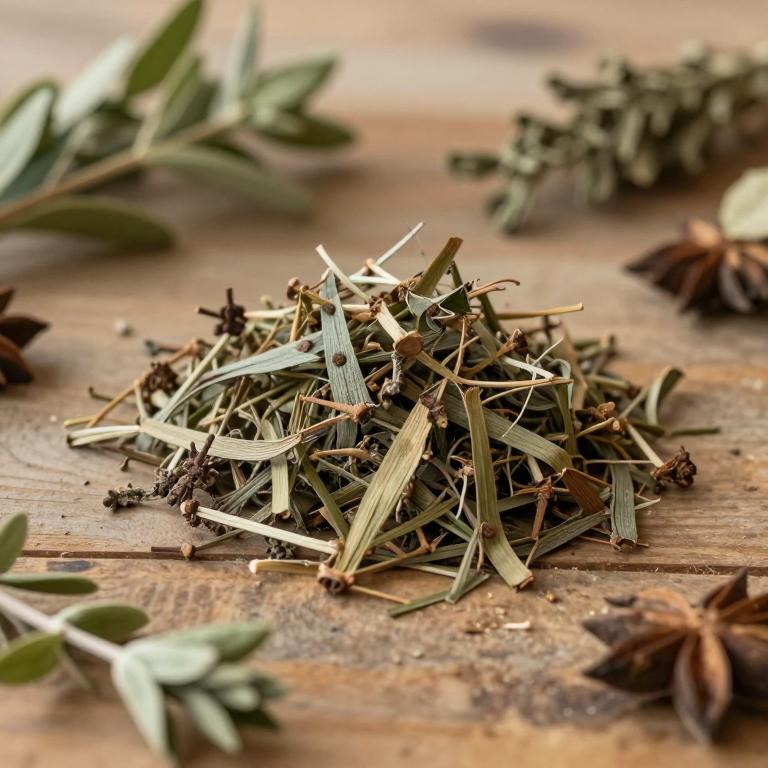
scientifically known as Pterospermum xylocarpum, is a versatile medicinal plant highly valued in traditional medicine. Found primarily in tropical regions, its various parts—including leaves, bark, and roots—possess significant therapeutic properties. It is widely utilized for treating ailments like inflammation, skin disorders, and digestive issues due to its bioactive compounds.
- Family
- Not available
- Native range
- Asia-Tropical
- Parts used
- Not available
- Common names
- Not available
- Scientific synonyms
- Not available
Names and Synonyms
Scientific Names
Accepted name
Pterospermum xylocarpumDistribution
This plant is primarily found within the specific geographical region of the Indian Subcontinent. Its natural distribution is most notably concentrated in the country of India. Within this territory, it thrives in certain ecological niches that support its growth. Consequently, its presence is a characteristic feature of the local flora in this part of South Asia. Understanding this limited range is essential for studying its natural habitat and conservation needs.
| Region | Area |
|---|---|
| Indian Subcontinent | India |
Sources: The World Checklist of Vascular Plants (WCVP)
Botanical Identification
Morphology
The morphology of Pterospermum xylocarpum is characterized by its growth habit as a woody climber, specifically functioning as a liana or vine. Within its developmental patterns, it exhibits a self-supporting nature, categorized as a self-supporting climber under both liana and vine classifications. In terms of its climbing mechanics, the plant demonstrates a self-supporting modality, which can be further differentiated into obligatory or facultative tendencies depending on the environmental support available.
- Climber :
- self-supporting
Sources: Global Inventory of Floras and Traits (GIFT)
Chemicals
Pterospermum xylocarpum has 1 reported phytochemicals identified across 0 scientific publications and several other databases. The most consistently reported chemicals include Betulin.
| Chemical | Supporting sources | Consensus |
|---|---|---|
| Betulin | 1 supporting sources | ★☆☆☆☆ |
Betulin
- Dr. Duke
Activities
Pterospermum xylocarpum has 12 reported activities identified across 0 scientific publications and several other databases. The most consistently reported activities include AntiHIV, Anticarcinomic, Antifeedant, Antiflu, Antiinflammatory.
| Activity | Supporting sources | Consensus |
|---|---|---|
| AntiHIV | 1 supporting sources | ★☆☆☆☆ |
| Anticarcinomic | 1 supporting sources | ★☆☆☆☆ |
| Antifeedant | 1 supporting sources | ★☆☆☆☆ |
| Antiflu | 1 supporting sources | ★☆☆☆☆ |
| Antiinflammatory | 1 supporting sources | ★☆☆☆☆ |
| Antitumor | 1 supporting sources | ★☆☆☆☆ |
| Antiviral | 1 supporting sources | ★☆☆☆☆ |
| Aphidifuge | 1 supporting sources | ★☆☆☆☆ |
| Cytotoxic | 1 supporting sources | ★☆☆☆☆ |
| Hypolipemic | 1 supporting sources | ★☆☆☆☆ |
AntiHIV
- Dr. Duke
Anticarcinomic
- Dr. Duke
Antifeedant
- Dr. Duke
Antiflu
- Dr. Duke
Antiinflammatory
- Dr. Duke
Antitumor
- Dr. Duke
Antiviral
- Dr. Duke
Aphidifuge
- Dr. Duke
Cytotoxic
- Dr. Duke
Hypolipemic
- Dr. Duke