Pteronia incana
Pteronia incana · Accepted scientific name
Scientific literature: Very Sparse (0 studies) · ★☆☆☆☆
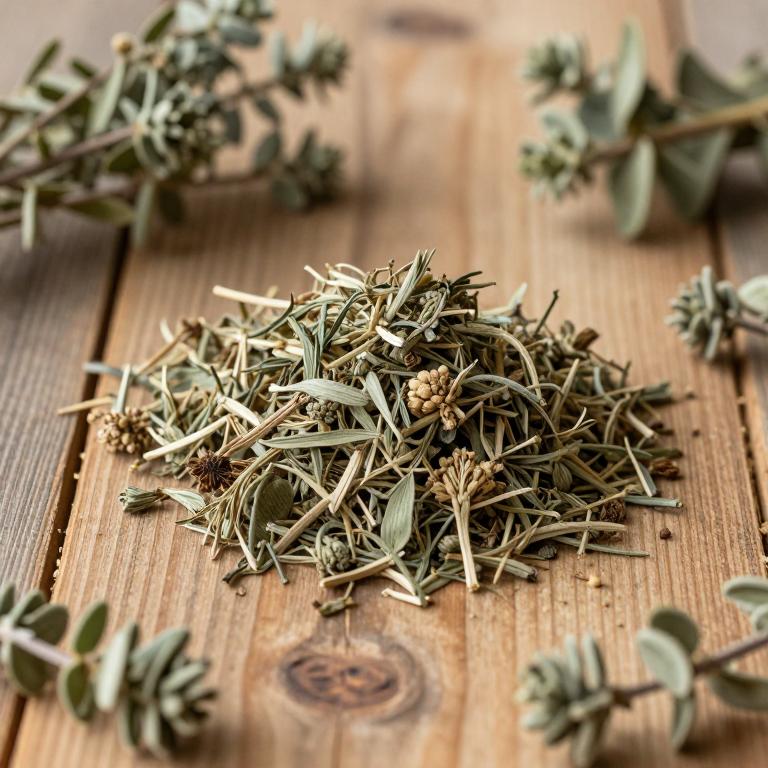
Pteronia incana is a distinctive aromatic shrub native to the diverse landscapes of Southern Africa. This resilient plant is highly valued for its complex chemical profile and fragrant foliage. Among its many valuable uses, the extraction of essential oils serves as a primary method for capturing its potent essence. These oils are frequently utilized in various therapeutic and aromatic preparations due to their unique scent. Understanding the properties of this species offers fascinating insights into the botanical richness of its natural habitat.
- Synonyms
- Chrysocoma Incana · Athanasia Rigida · 3 more
- Common names
- Not available
- Family
- Asteraceae
- Distribution
- Not available
- Plant Parts
- Not available
Classification
Common Names
Pteronia incana is a versatile plant known by several different names depending on the region. It is commonly referred to as Asbos or Ash bush, names that highlight its unique botanical characteristics. Some people also identify it as the Ash Gumbush, adding to the variety of its local monikers. Its aromatic qualities have earned it the descriptive titles of Laventelbos and Wild Lavender Bush. Regardless of which name is used, this plant remains a distinct and recognizable part of its natural habitat.
Sources: Catalogue of Life (COL)
Synonyms
Pteronia incana is a complex botanical subject characterized by a diverse array of scientific synonyms. Researchers frequently encounter this species under the alternative name Athanasia rigida in various botanical databases. It is also widely recognized by the synonym Chrysocoma incana, adding to its taxonomic layers. Furthermore, the plant has been historically classified as Eupatorium cinereum in older literature. Other recognized names include Pteronia rigida and Pteronia xantholepis, reflecting the evolving nature of its botanical identity.
Sources: The World Checklist of Vascular Plants (WCVP)
Taxonomy
Pteronia incana is a fascinating botanical specimen that belongs to the kingdom Plantae. Within this vast kingdom, it is specifically classified under the class Equisetopsida. This plant is a member of the order Asterales, showcasing its evolutionary connections to other flowering species. It falls under the diverse family Asteraceae, which is known for its complex floral structures. Ultimately, this species is identified by its unique characteristics as part of the genus Pteronia.
| Rank | Classification |
|---|---|
| Kingdom | Plantae |
| Phylum | Streptophyta |
| Class | Equisetopsida |
| Subclass | Magnoliidae |
| Order | Asterales |
| Family | Asteraceae |
| Genus | Pteronia |
Sources: The World Checklist of Vascular Plants (WCVP)
Distribution
Geographic Regions
Pteronia incana is a distinctive plant species primarily found throughout the vast landscape of Africa. Within this continent, its presence is most concentrated across the diverse terrains of Southern Africa. It flourishes particularly well within the unique ecosystems of the Cape Provinces. This specific distribution highlights the plant's adaptation to the regional climates of these southern territories. Consequently, understanding its geographical range is essential for studying the botanical diversity of the region.
Sources: The World Checklist of Vascular Plants (WCVP)
Identification
Morphology
Pteronia incana is a self-supporting plant that typically adopts a shrub-like growth form. Depending on its environmental conditions, this species can vary significantly in size. It generally reaches a minimum height of 0.3 m, though it can grow more robustly in ideal settings. Ultimately, the plant reaches a maximum height of approximately 1.5 m.
Sources: Global Inventory of Floras and Traits (GIFT)
Biological Activities
Compounds
Conditions
Pteronia incana essential oil demonstrates antimicrobial activity against 41 specific microbial strains. These test organisms include various bacteria and yeast that are significant as food spoilage agents or common human and plant pathogens. During the agar diffusion assay, the oil showed varying levels of efficiency depending on the concentration used and the specific strain tested. While it displayed antimicrobial properties, its effectiveness was found to be lower than that of Artemisia afra and Rosmarinus officinalis. This capacity to treat diverse microbes suggests the plant's oils could have potential applications in the food and cosmetic industries.
Preparations
Pteronia incana is prepared as essential oils to be utilized for their biological properties. These oils are evaluated for their specific antimicrobial activities against various bacteria and yeast strains. Although they exhibit antimicrobial effects, the efficiency of the Pteronia incana oil is lower than that of Artemisia afra and Rosmarinus officinalis. The study tests these oils against forty-one microbial strains, including common human and plant pathogens. Such preparations highlight the potential utility of these plant extracts in the pharmaceutical and cosmetic industries.